
Transforming Healthcare: The Human Touch of Remote Patient Monitoring in Value-Based Care
A read on RPM
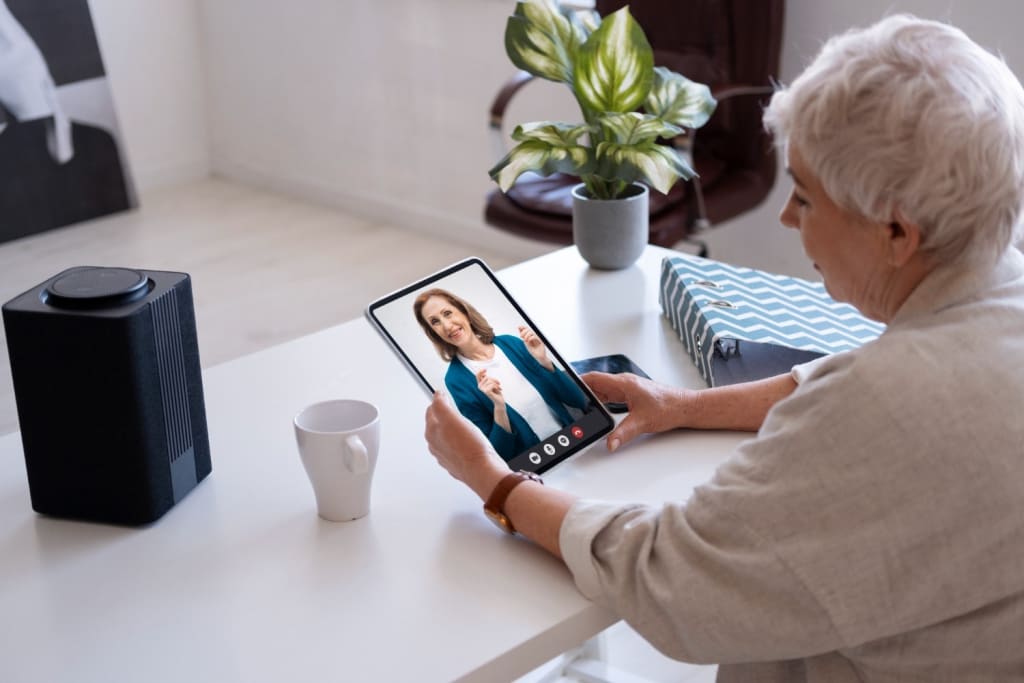
In today’s fast-paced world, healthcare is evolving rapidly, and at the heart of this transformation is the shift towards value-based care. One of the most exciting advancements in this area is Remote Patient Monitoring (RPM). By leveraging technology to keep track of patients’ health from afar, RPM not only enhances patient engagement but also improves outcomes—creating a win-win for both patients and providers.
Bridging Distances with Technology
Imagine a world where patients can manage their health without constantly visiting the clinic. RPM makes this possible. By using devices such as smartwatches, glucose monitors, and heart rate sensors, healthcare providers can monitor patients’ vital signs in real time, all from the comfort of their homes. This technology bridges the gap between patients and providers, making healthcare more accessible than ever.
Personalized Care Plans
One of the standout features of RPM is its ability to personalize care. When patients’ health data is continuously monitored, providers can tailor interventions based on real-time insights. For instance, if a patient’s blood pressure readings are consistently high, healthcare professionals can intervene quickly, adjusting medications or suggesting lifestyle changes. This proactive approach empowers patients and fosters a sense of partnership in their healthcare journey.
Enhanced Patient Engagement
RPM fosters a deeper connection between patients and their care teams. With regular check-ins and instant access to health data, patients feel more engaged and responsible for their own health. They’re not just passive recipients of care; they’re active participants. The result? Increased adherence to treatment plans and a more collaborative healthcare experience.
Timely Interventions and Reduced Hospitalizations
One of the most compelling benefits of RPM is the potential for timely interventions. By monitoring patients continuously, healthcare providers can identify concerning trends before they escalate into serious issues. This early detection can significantly reduce hospitalizations, leading to better health outcomes and lower costs. It’s a win for patients, who enjoy improved health, and for providers, who can focus on preventive care rather than reactive measures.
Empowering Patients with Education
Education is a cornerstone of effective healthcare. With RPM, patients receive tailored educational resources based on their specific conditions. Whether it’s tips on managing diabetes or exercises to improve heart health, patients are equipped with the knowledge they need to take charge of their well-being. This empowerment leads to more informed decisions and, ultimately, better health outcomes.
Seamless Communication
RPM enhances communication between patients and their healthcare teams. Secure messaging platforms allow for quick exchanges of information, making it easy for patients to ask questions or report concerns. This constant line of communication helps build trust and ensures that patients feel supported throughout their healthcare journey.
A Human Touch in a Digital World
While technology plays a vital role in RPM, it’s the human connection that truly makes it special. Providers can use the insights gained from monitoring to have meaningful conversations with patients. Instead of merely discussing numbers, they can talk about how patients are feeling, their challenges, and their successes. This holistic approach fosters empathy and understanding, reminding patients that they are not alone in their healthcare journey.
Conclusion: A Bright Future for Healthcare
As we continue to navigate the complexities of modern healthcare, Remote Patient Monitoring stands out as a beacon of hope. By combining technology with a human touch, RPM enhances patient engagement, improves health outcomes, and makes healthcare more accessible than ever. In this value-based care landscape, it’s clear that RPM is not just a trend; it’s a transformative approach that puts patients at the center of their care. Together, we can create a healthier future—one patient at a time.
About the Creator
Keep reading
More stories from Erik Panderson and writers in Education and other communities.
Top 5 Patient Engagement Software of 2024
As the healthcare landscape evolves, patient engagement has become essential for improving outcomes and enriching the patient experience. In 2024, several software solutions have distinguished themselves by effectively engaging patients and enhancing communication between healthcare providers and patients. Here’s a look at the top five patient engagement software solutions
By Erik Pandersonabout a year ago in Writers
📢 Raise Your Voice Thread: 01/22/2026
Our “Raise Your Voice Threads” are hosted most alternating Thursdays at 12PM ET to offer creators more avenues to uncover exceptional stories on Vocal. As we are continuously searching for fresh creators and inspiring stories, this thread provides an opportunity to exchange and discuss the stories that have moved and motivated us on Vocal.
By Raise Your Voice by Vocal6 days ago in Resources




Comments
There are no comments for this story
Be the first to respond and start the conversation.