
Traffic
Understanding the Growing Traffic Crisis: Causes, Consequences, and Solutions

Introduction:
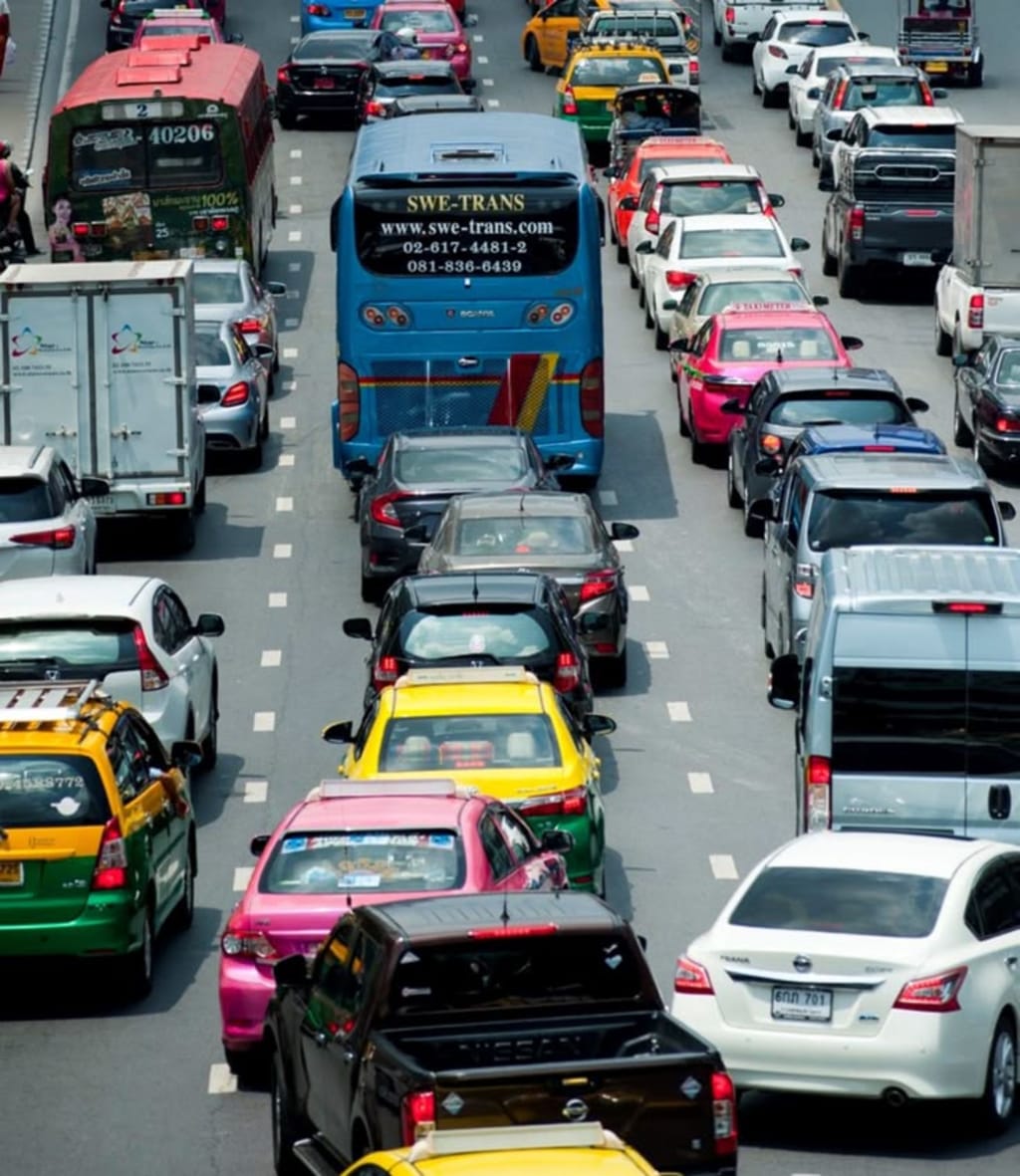
Traffic congestion is a daily reality for millions of people around the world, especially in urban areas. What once was a nuisance has now become a critical issue affecting not just individual commuters but the economy, public health, and the environment. From wasted time and fuel to increased air pollution and stress, the impacts of traffic are widespread and complex. Understanding the causes of traffic congestion, its far-reaching consequences, and potential solutions is essential to creating smarter, more efficient cities.
---
### Causes of Traffic Congestion
Traffic is primarily the result of too many vehicles trying to use limited road space. However, the root causes of congestion are more varied and systemic than this simple explanation suggests. They include:
1. **Rapid Urbanization**
As cities grow, the number of vehicles on the road increases. Many cities, especially in developing countries, have seen rapid population growth without corresponding investments in infrastructure. The road systems designed decades ago are now overwhelmed by the volume of cars, trucks, and motorcycles.
2. **Inadequate Public Transportation**
Where public transportation is limited, unreliable, or unsafe, people are more likely to rely on private cars for commuting. This adds significantly to road congestion, especially during peak hours.
3. **Poor Traffic Management**
Inefficient traffic signals, lack of proper signage, and inadequate law enforcement contribute to chaotic road conditions. Intersections without roundabouts or traffic lights can become bottlenecks, and the lack of lane discipline worsens the situation.
4. **Accidents and Road Incidents**
Even a minor collision or stalled vehicle can cause major delays, especially on busy roads with no emergency lanes. Roadworks and construction projects can also lead to sudden congestion.
5. **Urban Planning Failures**
Many cities were not designed with today’s traffic demands in mind. Urban sprawl—where residential, commercial, and industrial zones are far apart—forces people to travel long distances by car, further clogging roads.
---
### Effects of Traffic Congestion
The impacts of traffic congestion go far beyond mere inconvenience. They affect every facet of urban life.
1. **Economic Costs**
Traffic leads to wasted time and fuel, which translates into billions of dollars lost annually in productivity. Goods and services are delayed, and businesses suffer when employees and deliveries can’t arrive on time.
2. **Environmental Damage**
Idling vehicles emit large amounts of carbon dioxide, nitrogen oxides, and other pollutants. Congested traffic is a major contributor to urban air pollution and climate change.
3. **Public Health Issues**
Air pollution caused by traffic contributes to respiratory diseases, cardiovascular problems, and even premature death. Additionally, sitting in traffic for long periods increases stress and fatigue, leading to mental health challenges.
4. **Reduced Quality of Life**
Commuters spend hours stuck in traffic that could be spent with family, exercising, or engaging in leisure activities. This loss of personal time affects overall life satisfaction and well-being.
5. **Safety Risks**
Congested roads are often more dangerous. Frequent braking, aggressive lane changes, and driver frustration increase the likelihood of accidents.
---
### Possible Solutions to the Traffic Crisis
While there’s no one-size-fits-all solution to traffic congestion, a combination of strategies can significantly alleviate the problem.
1. **Investing in Public Transport**
Developing efficient, reliable, and affordable public transportation systems is one of the most effective ways to reduce traffic. Buses, trains, and trams can carry far more people than private cars, easing pressure on roads.
2. **Smart Traffic Management**
Using technology to monitor and control traffic flow can reduce delays. Adaptive traffic signals, real-time traffic apps, and coordinated systems can improve efficiency and reduce bottlenecks.
3. **Promoting Non-Motorized Transport**
Encouraging walking and cycling through the construction of dedicated bike lanes and pedestrian paths can help reduce car dependency, especially for short trips.
4. **Carpooling and Ride-Sharing**
Carpooling and ride-hailing services can reduce the number of single-occupancy vehicles on the road. Incentives for shared rides, such as access to high-occupancy vehicle lanes, can support this change.
5. **Urban Planning Reform**
Cities can be redesigned to reduce the need for long commutes. Mixed-use developments, where people can live, work, and shop in the same area, reduce traffic demand and support local economies.
6. **Congestion Pricing**
Charging drivers to enter congested areas during peak hours can discourage unnecessary trips and raise funds for public transportation improvements. This strategy has been successful in cities like London and Singapore.
---
### Conclusion
Traffic congestion is a complex challenge that reflects broader issues of urban planning, transportation policy, and economic development. While the problem may seem overwhelming, it is not unsolvable. With smart investments, innovative policies, and community engagement, cities can reduce traffic congestion, improve quality of life, and create a more sustainable future. Solving traffic requires collaboration between governments, businesses, and individuals—and a shared vision for cities where mobility is efficient, equitable, and environmentally sound.
END
THANK FOR READING. PLEASE LIKE AND SUBSCRIBE
About the Creator
Today Article
i am a professional article writer
Keep reading
More stories from Today Article and writers in Education and other communities.
Two New Genetic Variants Discovered in Black South African Women with Breast Cancer
Introduction: Breast cancer remains one of the leading causes of cancer-related deaths among women worldwide. While significant progress has been made in understanding its genetic basis, much of this research has focused on populations of European descent, leaving a critical gap in knowledge about breast cancer genetics in African populations. A recent groundbreaking study has addressed this disparity by identifying two genetic variants strongly associated with breast cancer risk in Black South African women. This discovery not only sheds light on the genetic underpinnings of the disease in underrepresented groups but also opens new avenues for personalized diagnostics and treatment.
By Today Article10 months ago in Education
Gold Market Predictions: Strategic Insights for Short-Term Agility and Long-Term Growth
Investors across the globe continue to monitor gold market predictions as economic uncertainty reshapes financial priorities. Currently, inflation data, central bank policy decisions, and geopolitical tensions influence daily price action. As markets digest new information, gold responds quickly to shifts in interest rate expectations and currency performance. When inflation rises or financial instability increases, investors often seek safety in gold. Consequently, demand tends to strengthen during periods of economic stress.
By George Drazenovic5 days ago in Education
Mastering Patient Communication: Building Trust and Enhancing Care
Effective patient communication is one of the most powerful tools in healthcare. While advanced diagnostics and innovative treatments continue to transform medicine, the ability to communicate clearly and compassionately remains central to high-quality care. Communication shapes patient experiences, influences treatment adherence, and directly affects health outcomes. When healthcare professionals master the art of meaningful dialogue, they build trust, reduce misunderstandings, and create stronger therapeutic relationships.
By Yousuf A. Gaffar, M.Dabout 18 hours ago in Education
A Knight of the Seven Kingdoms Series Review (Season 1)
As one of the biggest properties in fantasy, A Song of Ice and Fire remains immensely popular with audiences. After reaching far into the past with House of the Dragon, a second spin-off was on the cards. A Knight of the Seven Kingdoms serves up a bite-sized slice of action and drama, but it still claims a spot among the best small-screen titles.
By Robert Cain3 days ago in Geeks


Comments (1)
Exactly