
Top ten German words the English language needs to adopt or already has due to their perfection.
A list of refreshing German words.

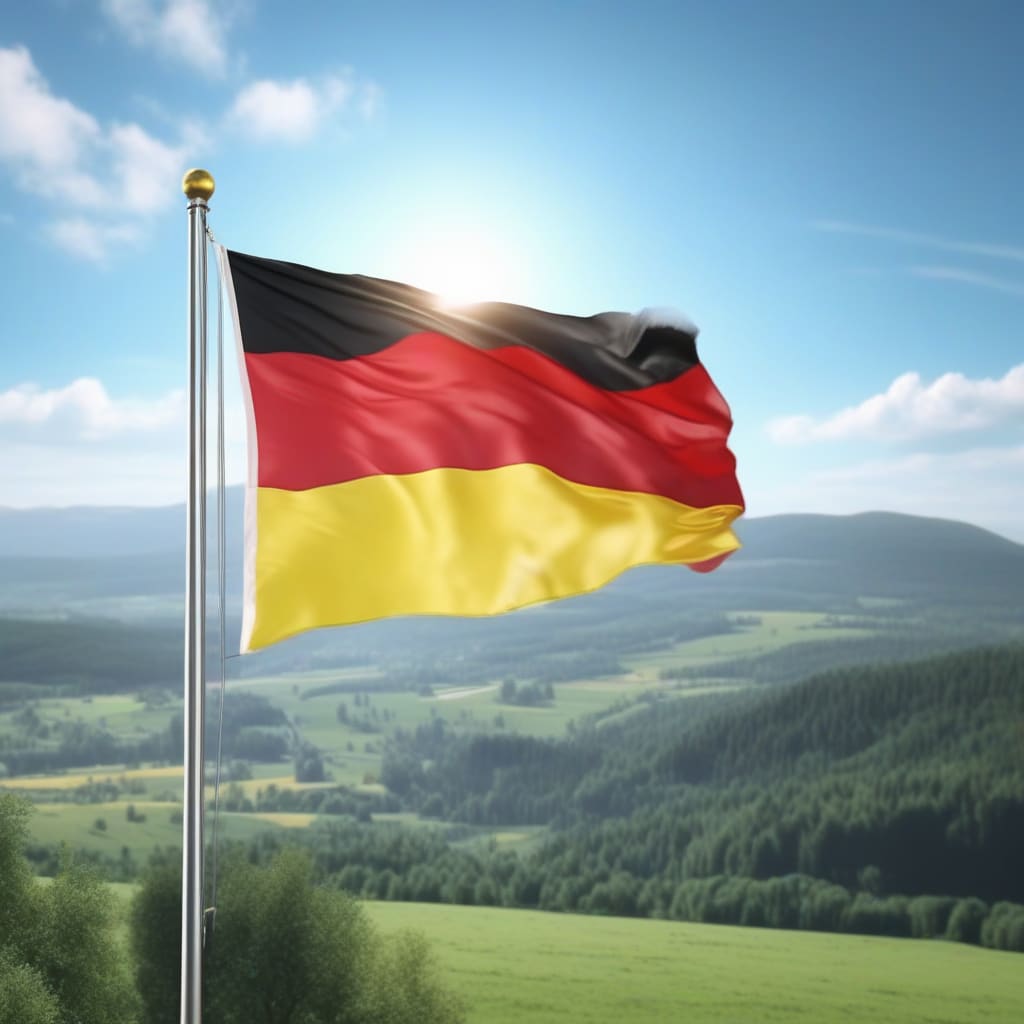
The German language is known for its descriptive words, compound nouns, and long phrases.
Here I collected only a few of so many beautiful German words, that don’t have an equivalent in the English language and hit the nail exactly on the head.
Enjoy!
First of all, we have a fairly widespread word mostly used in chess talk, but it can be applied in common everyday talk just as well:
10. Zugzwang
(noun)
Translation: Compulsion to move
Definition: This compound noun is a combination of the words Zug meaning "move“ and Zwang meaning "compulsion". Zugzwang
Meaning: In chess, Zugzwang explains the situation, in which a player is forced to make a move that results in the loss of pieces or weakens their position on the board.
Zugzwang can also be used in casual everyday talk to describe a situation where someone is cornered or under heavy pressure to make a tough decision, simply being in a tight spot.
The next one is:
9. Sturmfrei
(adjective)
Translation: Storm free
Definition: This compound adjective is made up of Sturm meaning “storm“ and Frei meaning “free“. Sturmfrei
Meaning: Having the house all to yourself with no parents around and the freedom to do whatever you like.
8. Fernweh
(noun)
Translation: Distance sickness
Definition: Combining the words Fern meaning “far“ or “distant“, and Weh, meaning “pain“ or “sorrow“. Fernweh
Meaning: A melancholic desire for distant places and faraway countries.
You surely stumbled over the next word on the list once in a while, but it was simply too essential to leave out:
7. Weltschmerz
(noun)
Translation: Worldpain
Definition: A combination of the German nouns Welt “world“ and Schmerz “pain“. Weltschmerz
Meaning: A mood of depression or sentimental sadness evoked by comparing the actual conditions of the world with an ideal version.
Next on the list is an experience we all may have, but never found a way to express it. Well, now you can!
6. Feierabend
(noun)
Translation: Party evening/ End of a workday.
Definition: This word is made up of the nouns Feier meaning “party“ or “celebration“ and Abend meaning “evening“. Feierabend
Meaning: It is used to describe the end of your daily working hours. The evening of a day full of work.
You're now halfway through the list and there is definitely someone who can relate to the following word, maybe not just out of spite, but because an unfriendly person really deserved it.
5. Schadenfreude
(noun)
Translation: Joy from damage
Definition: Schadenfreude is a truly unique word, combining Schaden, meaning “damage“ and Freude, meaning “joy“. Schadenfreude
Meaning: An emotional experience of taking pleasure or joy in someone else’s misfortune.
4. Sprachgefühl
(noun)
Translation: Feeling for language
Definition: This inventive German word combines the two nouns Sprache, "language" or "speech“, and Gefühl, “feeling“. Sprachgefühl
Meaning: A feeling, an intuitive sense of what is linguistically appropriate in a given language.
Now you’ve already made it to the top 3 German words that are worth using in your everyday talk to describe exactly what you want to express, and that make this language so unique.
This word is an especially peculiar one, maybe the weirdest on this list, so prepare yourself for...
3. Ohrwurm
(noun)
Translation: Earworm
Definition: This funny word is a combination of the two nouns Ohr meaning “ear“ and Wurm meaning “worm“. Ohrwurm
Meaning: A melody or song that unintentionally comes to your mind. It just won’t leave your head!
2. Luftschloss
(noun)
Translation: A Castle made of air
Definition: This beautiful German word is made up of two nouns, Luft meaning “air“ and Schloss meaning “castle“. Luftschloss
Meaning: It describes a fantastic idea or expectation that has developed in the imagination and is often an unrealistic dream.
The number one on this list might even be the most satisfying and refreshing word of all. I hope you’ll enjoy it just as much…
1.Backpfeifengesicht!
(noun)
Translation: Slap face
Definition: The descriptive, and most fitting word Backpfeifengesicht breaks down into two words, Backpfeife meaning a “slap that whistles along the cheek“ and Gesicht meaning “face“. Backpfeifengesicht
Meaning: It describes a face that is begging to be slapped, it simply is badly in need of a face slap. Or because the facial expression of someone is just very annoying.
These were the top ten German words that describe everyday things or feelings, and now that you have been introduced to them, you might want to add them to your daily vocabulary. I hope you liked them.
Thank you for reading!
About the Creator
Laura.the.writer
I'm an aspiring young writer eager to share vivid stories inspired by the beauty of daily life and make my mark in the literary world.
I'll share a new tale every Thursday! Don’t miss the adventure✨
Dive into a story and the journey begins...
Reader insights
Nice work
Very well written. Keep up the good work!
Top insights
Easy to read and follow
Well-structured & engaging content
Expert insights and opinions
Arguments were carefully researched and presented
Keep reading
More stories from Laura.the.writer and writers in Education and other communities.
How to Make Money Online
A few years ago, earning money meant waking up early, traveling long distances, and working long hours for someone else’s dream. Today, the internet has changed everything. Content creation has opened a new digital path to freedom, allowing people to earn money online by sharing their ideas, skills, and creativity with the world.
By Bilal Mohammadiabout 21 hours ago in Education
Best Hunting Destinations in America Every Hunter Should Visit
Hunting has deep roots in American culture. It connects people to the land and to a long outdoor tradition. From vast plains to deep forests, the country offers many places where hunters can test their skills and enjoy nature. This guide explores America’s Best Hunting Destinations clearly and straightforwardly. Each place provides rich wildlife, strong traditions, and unforgettable landscapes. If you love the outdoors, these destinations deserve a spot on your travel list.
By Joe Sottolanoabout 4 hours ago in Education



Comments (4)
Thanks for sharing this and giving us a glimpse into Germany's culture and language. My personal favorite was the word "Luftschloss". I'll sure try to use it in my everyday talk.👍🩵
this is so awesome
Fun share! Thank you!😊💕💗
I found this really interesting and amusing with the choice of words you made. I have to say that "fernweh" was the one that I was intrigued by the most. We have one in Welsh which is very similar called "hiraeth" which talks of longing and a nostalgia for home.