
Top Tech Myths You Should Stop Believing
Busting the Biggest Technology Misconceptions in 2025


In a world where technology is growing faster than ever, misinformation often spreads even faster. From smartphones to Wi-Fi signals and artificial intelligence, there are countless myths that people continue to believe — not because they're foolish, but because these myths have been passed around for years without anyone questioning them.
It's time to clear the air! Here are the top tech myths you should stop believing — and the real truth behind them.
1. More RAM Always Means a Faster Device
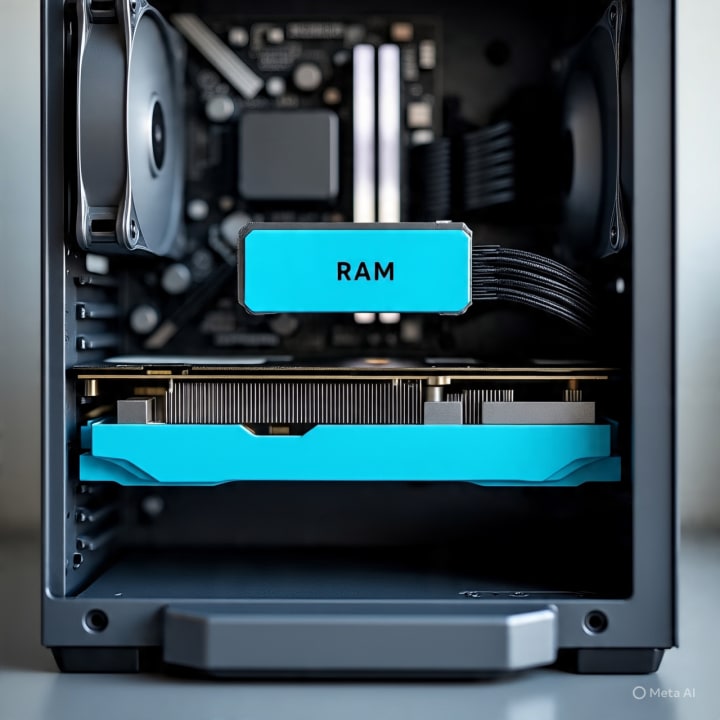
This is one of the most common myths, especially when buying smartphones or laptops. People often believe that the more RAM a device has, the faster it will be.
Reality:
While RAM is important for multitasking, it’s not the only factor that makes a device fast. Processor speed (CPU), storage type (like SSD vs HDD), and software optimization play equally important roles. A phone with 8GB of RAM and a powerful processor can outperform a phone with 16GB of RAM but a weak chipset.
Conclusion:
Don’t buy a device just based on RAM. Check the processor, storage, and software performance together.
2. Charging Your Phone Overnight Damages the Battery
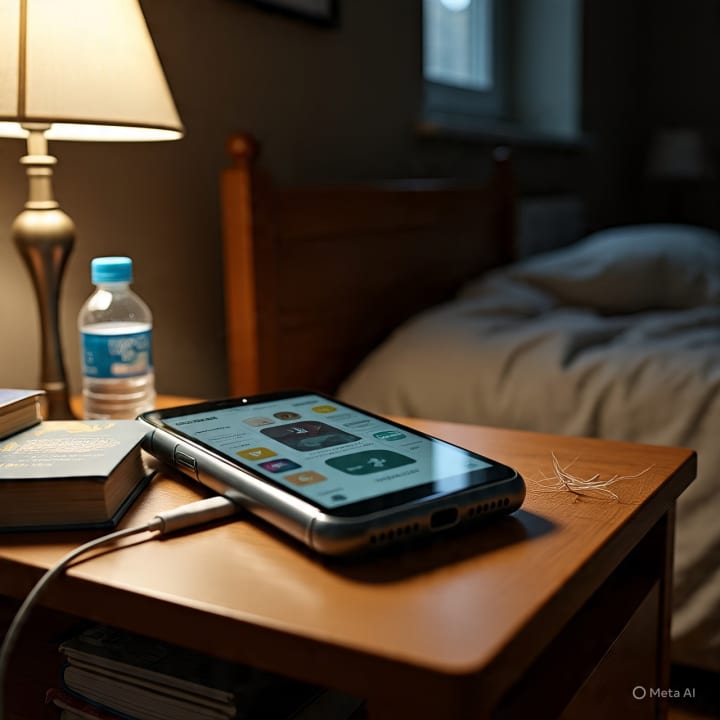
How often have you heard, “Never charge your phone overnight! It’ll destroy your battery!” This advice has been around since the era of old phones.
Reality:
Modern smartphones are smart enough to stop charging once the battery is full. They use trickle charging to maintain 100% without damaging the battery. However, excessive heat can degrade the battery over time — not the overnight charging itself.
Conclusion:
Charging overnight occasionally is perfectly fine. Just avoid placing your phone under a pillow or in tight spaces where it could overheat.
3. 5G Is Dangerous for Health
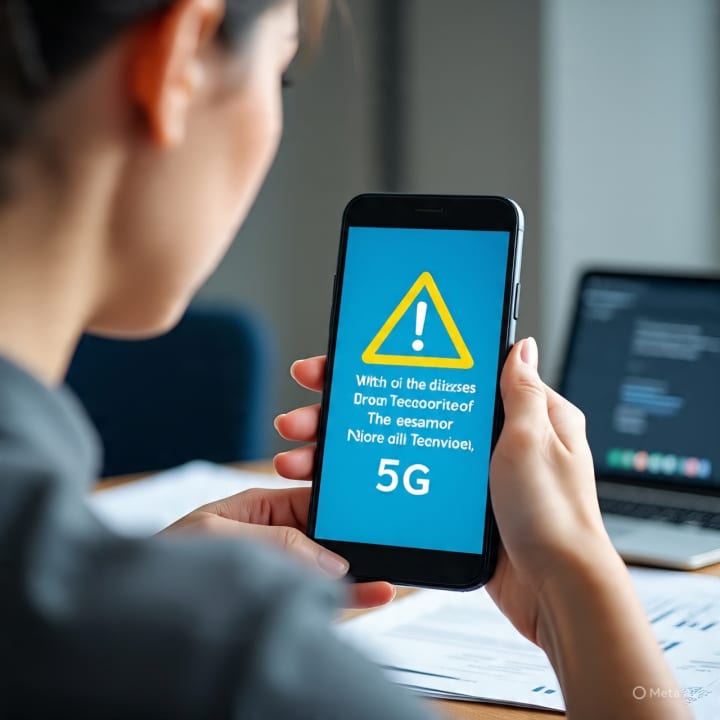
This myth exploded worldwide when 5G started rolling out. Some even believed that 5G causes diseases like cancer or COVID-19.
Reality:
5G uses radio waves, which are non-ionizing radiation — meaning they don’t damage human DNA. Dozens of scientific studies and health organizations, including the World Health Organization (WHO), confirm that 5G is safe and poses no health risks.
Conclusion:
5G won’t harm your health. It will only improve internet speeds and connectivity.
4. Macs Can’t Get Viruses

Many people believe that if they use a Mac, they’re immune to viruses and malware.
Reality:
Macs are less targeted than Windows PCs because Windows has a larger user base. But that doesn’t mean Macs are immune. There are plenty of malware, phishing attacks, and scams designed for macOS as well.
Conclusion:
Whether you’re on Windows, Mac, or Linux — always use good cybersecurity practices. Install updates, use antivirus tools, and avoid suspicious links.
5. Private Browsing Makes You Completely Anonymous

People often believe that using “Incognito Mode” or “Private Browsing” means no one can see their activity online.
Reality:
Private browsing only hides your activity from others who use your device. It prevents your browser from saving history, cookies, or form data. However, your internet provider (ISP), websites you visit, and network administrators can still see what you’re doing.
Conclusion:
For real privacy, you need to use VPNs, secure browsers, and encrypted networks — not just Incognito Mode.
6. Closing Background Apps Saves Battery
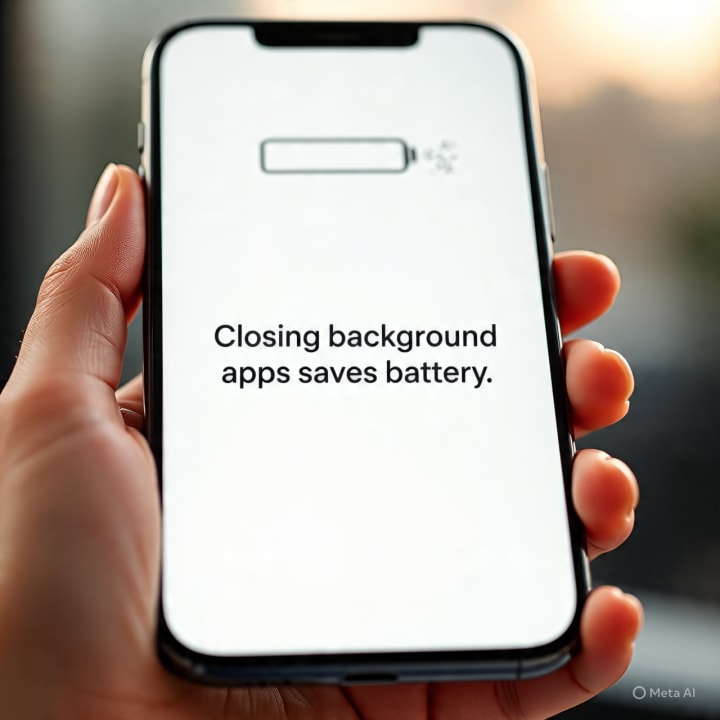
Many users constantly close apps from their phone’s recent apps menu, thinking it will save battery.
Reality:
In reality, frequently closing apps can use more battery. Modern operating systems are designed to manage background apps efficiently. Restarting apps from scratch uses more energy than keeping them idle in the background.
Conclusion:
Unless an app is misbehaving or frozen, let your phone manage it. No need to constantly swipe away apps.
7. More Megapixels Mean Better Camera Quality
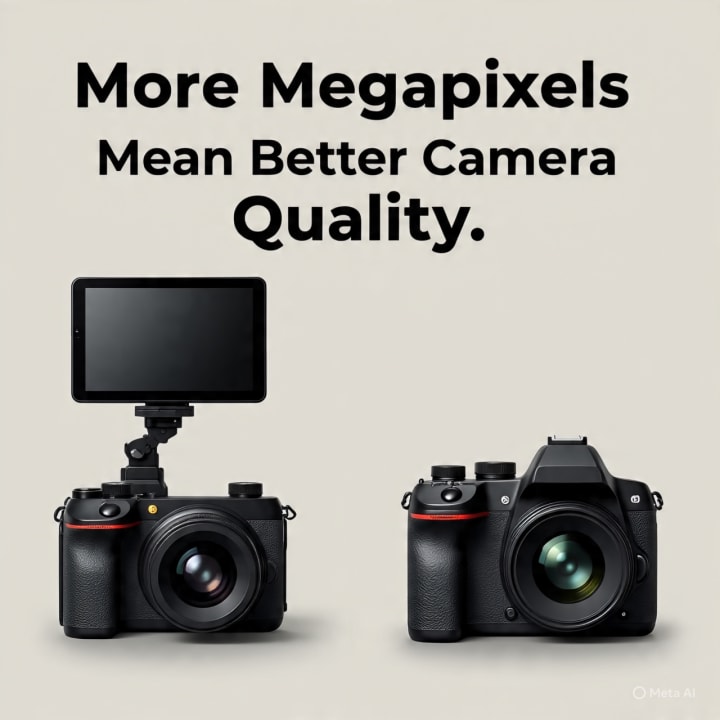
When buying a phone, many people choose the one with the highest megapixels, believing it guarantees better photos.
Reality:
Camera quality depends on many factors — sensor size, aperture, image processing, lens quality, and software algorithms. A 12MP camera from Apple or Google can outperform a cheap 108MP camera on another device.
Conclusion:
Don’t fall for the megapixel marketing trap. Look for reviews, camera tests, and real-world performance instead.
Final Thoughts
Technology is an incredible tool that continues to evolve, but along with it, myths, misconceptions, and false information spread rapidly. Being informed not only helps you make smarter tech decisions but also saves money, time, and frustration.
So next time someone tells you,
Never charge your phone overnight,
5G will fry your brain,
or Just get the phone with the most megapixels,
smile, and bust that myth with the truth.
If you liked this myth-busting guide, share it with your friends — because everyone deserves to know the truth about the tech they use every day! 🚀💡
About the Creator
Muhammad Tayyab
I am Muhammad Tayyab, a storyteller who believes that memories are treasures and words are bridges to hearts. Through my writing, I capture what time often leaves behind."
Keep reading
More stories from Muhammad Tayyab and writers in Education and other communities.
Creating Stability With Property During Uncertain Economic Cycles
Periods of market uncertainty can challenge even the most careful financial plans. Stock prices may swing sharply. Savings can lose value due to inflation. News headlines often create fear and hesitation. In these moments, many investors look for dependable ways to protect their wealth. Protecting investments during market uncertainty through property ownership remains a practical and proven option because property is based on real use, steady demand, and long term value.
By Accrue Real Estate7 days ago in Education
Top 7 Life Changing Books to Read in 2026
In 2026, readers are not just looking for entertainment—they want books that change the way they think, feel, and see the world. With endless content available online, only a few books continue to stand out, remain widely read, and influence conversations across generations. These are the books people keep recommending, searching for, and returning to year after year.
By Waqar Khana day ago in Education
Miss Persephone's Manual to a Seemingly Ordinary Life
Miss Persephone was found at the dining table, her blue eyes swollen, her tears arriving and retreating like the tides of the ocean. Earlier that day, her family had visited her in the retirement home where she had lived for eight years. It was her eightieth birthday.
By Imola Tótha day ago in Fiction



Comments
There are no comments for this story
Be the first to respond and start the conversation.