
Top Layer 1 Blockchain
In conclusion, there are several Layer 1 blockchains that are considered to be among the top in the industry based on various factors such as adoption, scalability, security, and developer activity. Ethereum, Solana, Binance Smart Chain, Polkadot, and Cardano are some of the most popular and widely used Layer 1 blockchains, each offering unique features and advantages
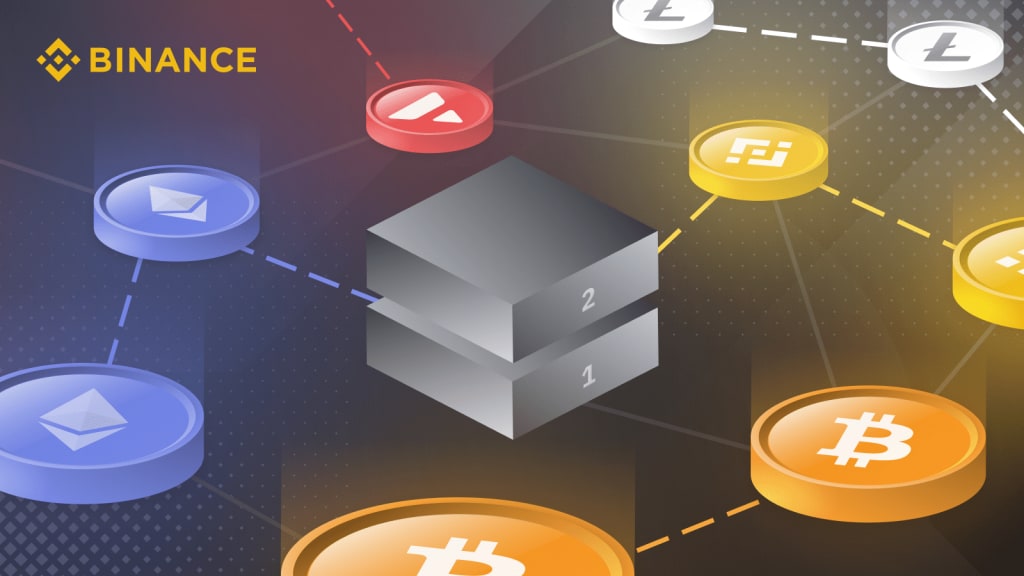
There are several Layer 1 blockchains that are considered to be among the top in the industry based on factors such as adoption, scalability, security, and developer activity. Some of the top Layer 1 blockchains include:
Ethereum (ETH): Ethereum is one of the most widely used blockchains and is the second-largest cryptocurrency by market capitalization. It is known for its smart contract functionality and supports a wide range of decentralized applications (dApps).
Solana (SOL): Solana is a high-performance blockchain that uses a unique consensus algorithm called Proof of History (PoH) to achieve fast transaction speeds and low fees. It has gained popularity among developers due to its scalability and support for smart contracts.
Binance Smart Chain (BSC): Binance Smart Chain is a Layer 1 blockchain that is built on top of the Binance Chain. It is known for its low fees and high transaction speeds, making it a popular choice for decentralized finance (DeFi) applications.
Polkadot (DOT): Polkadot is a multi-chain platform that allows different blockchains to connect and interact with each other. It aims to provide interoperability between different blockchain networks and has gained attention due to its scalability and cross-chain functionality.
Cardano (ADA): Cardano is a blockchain that uses a unique proof-of-stake consensus algorithm called Ouroboros. It is known for its strong emphasis on security and has gained popularity among users and developers due to its focus on sustainability and governance.
Overall, the top Layer 1 blockchains are constantly evolving and there are many factors to consider when choosing a blockchain to use or invest in.
In conclusion, there are several Layer 1 blockchains that are considered to be among the top in the industry based on various factors such as adoption, scalability, security, and developer activity. Ethereum, Solana, Binance Smart Chain, Polkadot, and Cardano are some of the most popular and widely used Layer 1 blockchains, each offering unique features and advantages.
Ethereum is known for its smart contract functionality and supports a wide range of decentralized applications, while Solana and Binance Smart Chain offer fast transaction speeds and low fees. Polkadot focuses on interoperability between different blockchain networks, and Cardano places a strong emphasis on security and sustainability.
Ultimately, the choice of which blockchain to use or invest in depends on individual needs and preferences. It's important to do thorough research and understand the strengths and weaknesses of each blockchain before making any decisions. With the blockchain industry constantly evolving, it will be interesting to see how these Layer 1 blockchains continue to develop and compete with each other in the future.
Layer 1 blockchains, which are the foundational layer of blockchain technology, have a wide range of use cases across various industries. Here are some examples:
Decentralized Finance (DeFi): Many Layer 1 blockchains have become popular for their use in decentralized finance (DeFi) applications, which include lending, borrowing, trading, and more. Ethereum, Binance Smart Chain, and Solana are some of the most widely used blockchains for DeFi applications.
Non-Fungible Tokens (NFTs): NFTs are unique digital assets that are stored on a blockchain, and Layer 1 blockchains are commonly used for NFT creation, storage, and trading. Ethereum and Solana are popular choices for NFTs due to their support for smart contracts.
Gaming: Layer 1 blockchains can be used for gaming applications that rely on blockchain technology for in-game assets and transactions. Decentraland, an Ethereum-based blockchain game, is a popular example.
Supply Chain Management: Blockchain technology can be used for supply chain management applications, and Layer 1 blockchains can provide a secure and transparent platform for tracking goods and ensuring authenticity. VeChain and Polkadot are examples of Layer 1 blockchains being used for supply chain applications.
Identity Verification: Blockchain technology can be used for identity verification, and Layer 1 blockchains can provide a secure and tamper-proof platform for storing and verifying identity information. SelfKey is an example of a Layer 1 blockchain being used for identity verification.
Overall, the use cases for Layer 1 blockchains are diverse and continue to grow as blockchain technology becomes more widely adopted.
About the Creator
Keep reading
More stories from mayank singh and writers in Education and other communities.
How to Safely Store Your Crypto Investment: A Guide to Wallets
In the world of cryptocurrency, one of the most important things you can do is ensure the safety of your investments. Unlike traditional financial assets, cryptocurrencies are not backed by any government or financial institution, and their value can be extremely volatile. This means that if your crypto is lost or stolen, it's likely gone forever. That's why it's crucial to understand how to safely store your crypto investments. In this guide, we'll discuss the different types of wallets available and how to choose the right one for your needs.
By mayank singh3 years ago in Education
The Creative Kitchen Journey: Turning a Love for Cooking Into Everyday Inspiration
Cooking has evolved far beyond a simple daily responsibility. For many people, it has become a powerful source of creativity, relaxation, and personal satisfaction. After long hours spent working or managing daily responsibilities, the kitchen often becomes a place where individuals can unwind and reconnect with their passions. Preparing food allows people to experiment with flavors, textures, and presentation while enjoying the rewarding process of creating something from scratch.
By Greg Deshields8 days ago in Education
History of The Three Stooges (Part I: The Beginnings and Columbia Pictures - 1920s-1936)
I have been itching to write about The Three Stooges on Vocal for close to two years, but I couldn't figure out how to do it. I wanted to do it by third Stooge, but that's a bit complicated. I know this much. I was about eight or nine years old when I first saw The Three Stooges. I remember one of my local channels had the Stooges on for hours, and I tried my damnedest to be up for those shorts. I remember that the Family Channel actually had an hour of the Stooges on from 11PM to midnight, and it was the entire library on during that time.
By Clyde E. Dawkins4 days ago in Geeks




Comments
There are no comments for this story
Be the first to respond and start the conversation.