
Top Fruits for Joint Health: Nutrition and Benefits
Understanding the Connection Between Nutrition and Joint Health

Fruits That May Help Improve Joint Health
Did you know that about 54.4 million adults in the United States have arthritis? The right diet can really help with joint health. Fruits that may help improve joint health are not just tasty—they’re also great for managing joint pain and swelling.
Keeping your joints healthy is more than just exercising and taking medicine. The best fruits for easing joint stiffness offer important nutrients. These nutrients help your body heal naturally. By adding certain fruits to your meals, you might reduce inflammation, protect cartilage, and move your joints better.
Nature has given some fruits amazing compounds for joint health. These compounds fight inflammation and help fix tissues. They offer a natural way to keep your joints healthy.
Key Takeaways
Fruits contain powerful anti-inflammatory compounds
Specific nutrients in fruits can support joint mobility
Diet plays a crucial role in managing joint health
Natural solutions can complement medical treatments
Variety is key in obtaining joint-supporting nutrients
Understanding the Connection Between Nutrition and Joint Health
Your joints need certain nutrients to work well. What you eat is key to keeping your joints healthy and reducing pain. Eating anti-inflammatory fruits can help your body heal itself.
Chronic inflammation causes joint pain and conditions like osteoarthritis. Your diet affects how your body fights inflammation. Foods rich in nutrients help protect your joints from damage.
Joints consist of multiple components:
Bones
Cartilage
Synovial fluid
Ligaments
Tendons
Doctors now suggest eating right to manage joint health. Anti-inflammatory fruits have compounds that can lower inflammation. This might help reduce pain and swelling in your joints.
Nutritional Component Impact on Joint Health
Antioxidants Reduce oxidative stress
Anti-inflammatory Compounds Minimize joint inflammation
Essential Nutrients Support joint tissue repair
Knowing how nutrition affects joint health helps you make better food choices. The right foods can help keep your joints working well and reduce pain.
Fruits That May Help Improve Joint Health

Fruits for Joint Health Nutrition
Your diet is key to keeping your joints healthy. Some fruits have nutrients that protect and nourish your joints. They help reduce inflammation and improve mobility.
To understand how fruits help your joints, we need to look at their nutrients. The right fruits can give your body what it needs to keep your joints working well and feeling less sore.
The Science Behind Fruit-Based Joint Support
Research shows how fruit nutrients help your joints. These nutrients interact with your body’s inflammation and repair systems.
Phytochemicals reduce oxidative stress
Polyphenols combat inflammation
Bioactive compounds support tissue repair
Key Nutrients in Fruits That Benefit Your Joints
Each fruit has special nutrients for your joints. These nutrients work together to protect and nourish your joints.
Nutrient Joint Health Benefits Best Fruit Sources
Vitamin C Collagen synthesis Oranges, Kiwis
Vitamin K Bone health support Blueberries, Blackberries
Potassium Reduces calcium loss Bananas, Avocados
Antioxidants Fights oxidative stress Berries, Pomegranates
Knowing about these nutrients helps you choose fruits that support your joints. Your joints will appreciate the natural help they get from your diet.
Berries: Nature’s Anti-Inflammatory Powerhouses
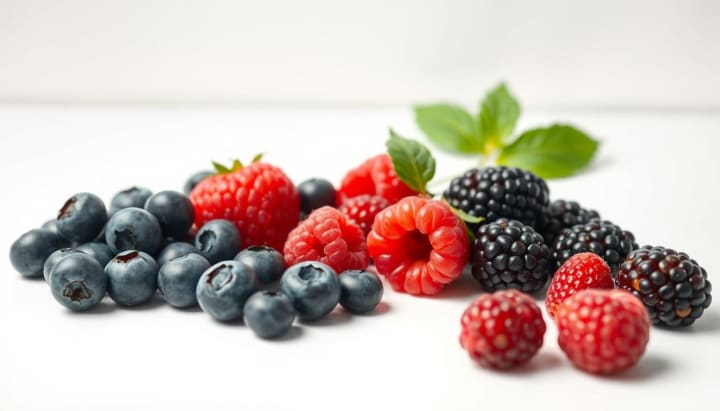
Berries for Joint Pain Relief
Berries are a natural solution for joint pain. They are full of nutrients that help your joints and overall health.
Strawberries are great for your joints. They have lots of vitamin C and antioxidants. The red color comes from anthocyanins, which fight inflammation and protect your joints.
Blueberries: Rich in antioxidants that reduce joint inflammation
Raspberries: Contains ellagic acid, which helps protect joint tissue
Blackberries: Packed with anti-inflammatory compounds
Each berry has its own benefits for your joints. Blueberries are especially good at fighting inflammation. Studies show they can reduce joint stress and improve mobility.
Regular berry consumption can potentially decrease joint pain and improve your body’s natural healing processes.
To get the most benefits, eat different types of berries. You can have them fresh or frozen all year round. Add them to smoothies, eat them as a snack, or mix them into oatmeal. Berries are a tasty way to support your joint health naturally.
Citrus Fruits and Their Role in Reducing Joint Inflammation
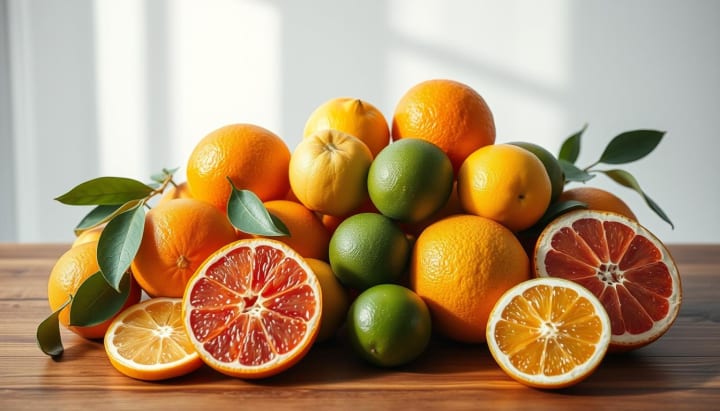
Citrus Fruits for Joint Inflammation
Citrus fruits are great for keeping your joints healthy. They are full of nutrients that help fight joint pain and keep you moving well. Eating citrus fruits can help lower inflammation and protect your joints.
Vitamin C Content and Collagen Production
Vitamin C is key for making collagen, a protein that keeps cartilage healthy. Without enough vitamin C, your joints can get damaged and inflamed. Citrus fruits are full of vitamin C, helping your joints stay strong.
Oranges contain up to 70 mg of vitamin C per fruit
Grapefruits offer approximately 88 mg of vitamin C
Lemons provide around 30-40 mg of vitamin C
How Oranges and Grapefruits Support Joint Mobility
Oranges and grapefruits are top choices for fighting joint inflammation. They have flavonoids like hesperidin and naringenin, which are anti-inflammatory. These compounds help reduce swelling and protect cartilage from damage.
Eating 1-2 servings of citrus fruits a day is good for your joints. Fresh whole fruits are better than juices because they have more fiber and nutrients. Adding these fruits to your diet can help your joints stay healthy.
Tropical Fruits for Cartilage Health and Joint Protection

Tropical Fruits for Joint Health
Exploring tropical fruits can be a fun way to improve your joint health. These fruits are packed with special compounds that boost cartilage health. They offer benefits that go beyond what regular fruits can provide.
Tropical fruits are great for cartilage health thanks to their natural enzymes and nutrients. They are known for their amazing healing powers, making them stand out in joint protection.
Pineapple’s Powerful Enzyme: Bromelain
Pineapple is a top choice for joint health among tropical fruits. Its key ingredient, bromelain, provides strong support:
Reduces inflammation in joint tissues
Helps break down proteins that cause joint swelling
Potentially decreases pain associated with joint conditions
Bromelain is different from usual pain meds. This natural enzyme targets inflammation at its source, offering relief without harsh side effects. Studies show bromelain can be as good as some anti-inflammatory drugs for joint pain.
Papaya and mango are also good for cartilage health. Papaya’s papain enzyme and mango’s antioxidants help protect joints and reduce stress.
Pro tip: For maximum benefits, choose fresh, ripe tropical fruits and consume them regularly as part of a balanced diet.
Pomegranates: Antioxidant-Rich Fruits for Joint Relief
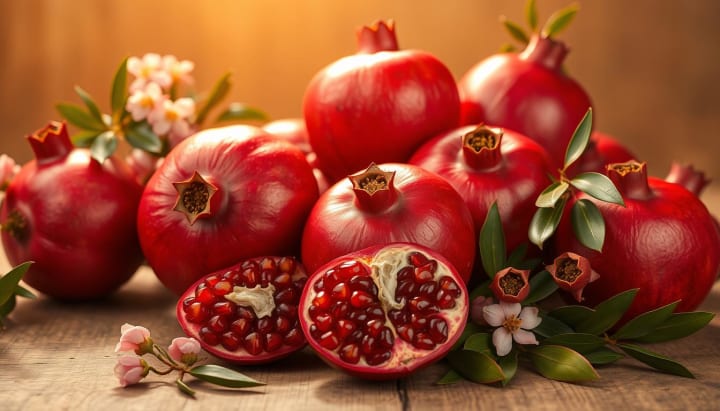
Pomegranates for Joint Health
Pomegranates are full of antioxidants that can help your joints naturally. These red fruits are packed with power to reduce inflammation and protect your joints.
The magic of pomegranates for your joints comes from their special nutrients. Polyphenols and other compounds fight joint inflammation at the cell level. Studies show that pomegranates have strong anti-inflammatory agents. They can:
Reduce joint pain and stiffness
Protect cartilage from breaking down
Lessen oxidative stress in joint tissues
Support better joint mobility
“Pomegranates are nature’s medicine cabinet for joint health” – Dr. Sarah Roberts, Nutrition Researcher
To get the most benefits, add pomegranates to your diet in different ways. Enjoy fresh arils, juice, or extracts for joint support. Aim for 1/2 cup of seeds or 4-8 ounces of juice a day for noticeable effects.
While pomegranates are rich in antioxidants, they’re even better with a full joint health plan. Mix them with exercise, a balanced diet, and good nutrition for the best joint protection.
Grapes and Resveratrol for Joint Inflammation Management
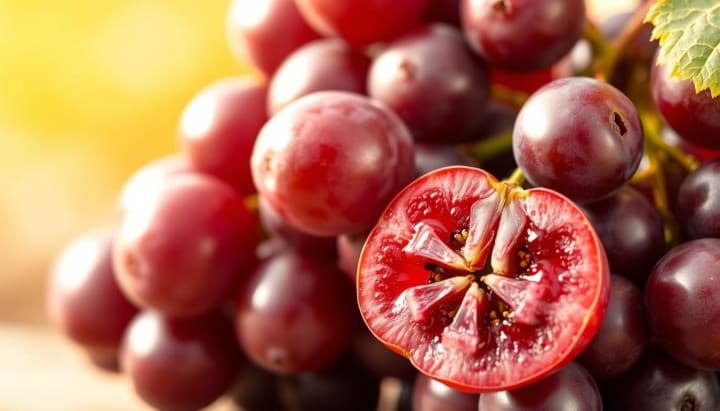
Grapes and Joint Health Resveratrol Benefits
Grapes are more than just a sweet snack. They are a source of resveratrol, a compound that’s getting a lot of attention in joint health research. This natural polyphenol shows great promise in managing joint inflammation and supporting joint wellness.
Red Grapes vs. Green Grapes: A Nutritional Comparison
Not all grapes are the same when it comes to joint health. Red and purple grapes have more resveratrol than green grapes. The darker color means they have more anti-inflammatory compounds that help your joints.
Red grapes: Higher resveratrol content
Green grapes: Lower antioxidant levels
Purple grapes: Maximum anti-inflammatory potential
The Anti-Inflammatory Properties of Grape Skin
The secret to grapes’ joint-supporting power is their skin. Resveratrol is found mainly in grape skins. Eating grapes with their skin intact maximizes the potential joint health benefits.
Grape Type Resveratrol Content Joint Health Impact
Red Grapes High Excellent
Purple Grapes Very High Superior
Green Grapes Low Moderate
Adding a handful of red or purple grapes to your daily diet can help support joint health. Fresh, whole grapes are the best choice for getting these benefits. Processed grape products don’t offer the same advantages.
Apples, Kiwis, and Watermelon: Underrated Fruits for Joint Support
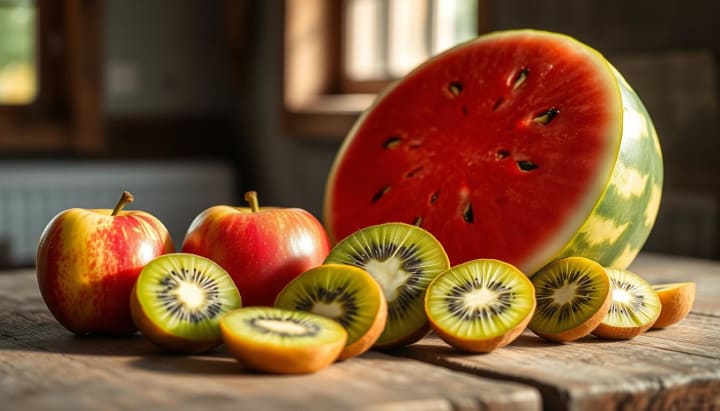
Fruits for Joint Health
Some fruits are often overlooked but are great for joint health. Kiwi, though small, is packed with nutrients that help your joints. It fights inflammation and protects your joints from damage.
Apples are everywhere, but they’re key for joint health. They’re full of quercetin, a flavonoid that fights inflammation. The skin of the apple has the most quercetin, making it super beneficial.
Kiwi provides exceptional vitamin C content
Apple peels contain concentrated quercetin
Watermelon offers unique joint-supporting nutrients
Watermelon is refreshing in summer and great for joints. It has lycopene, an antioxidant that reduces inflammation. Watermelon also has citrulline, which helps with muscle recovery and joint comfort.
“Food is thy medicine” – especially when it comes to these joint-supporting fruits!
To boost your joint health, add these fruits to your diet. Add kiwi to your yogurt, snack on apples, or make a watermelon smoothie. Your joints will appreciate the natural support.
How to Incorporate Joint-Healthy Fruits into Your Daily Diet
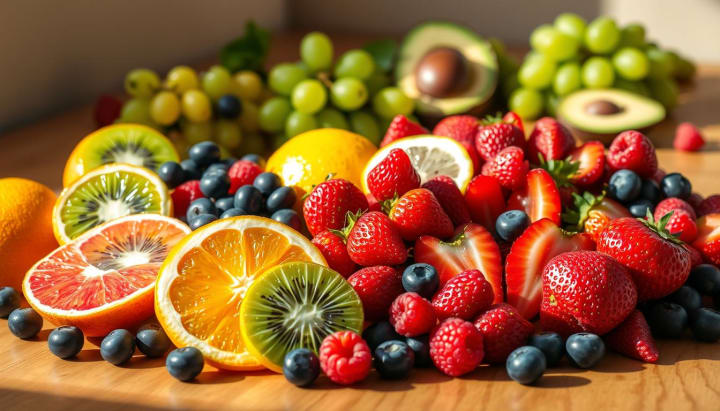
Fruits for Joint Health Meal Planning
Changing your diet to help your joints is easy. You can add the best fruits for joint health to your daily meals. Just use a few simple tips and get creative.
Starting with joint-friendly fruits is all about planning. You want to make them easy to eat and tasty.
Smart Meal Integration Strategies
Breakfast options for reducing joint stiffness:
Berry-topped overnight oats
Smoothie bowls with mixed berries
Citrus fruit salads
Snack ideas with joint-supporting fruits:
Apple slices with almond butter
Frozen grape clusters
Pineapple chunks with coconut
Quick Smoothie Recipes for Joint Health
Making smoothies is a great way to eat several joint-friendly fruits at once. They’re tasty and easy to drink.
Try different fruits to get more nutrients. Consistency is key in supporting your joint health through diet.
Best Practices for Maximizing the Joint Health Benefits of Fruits
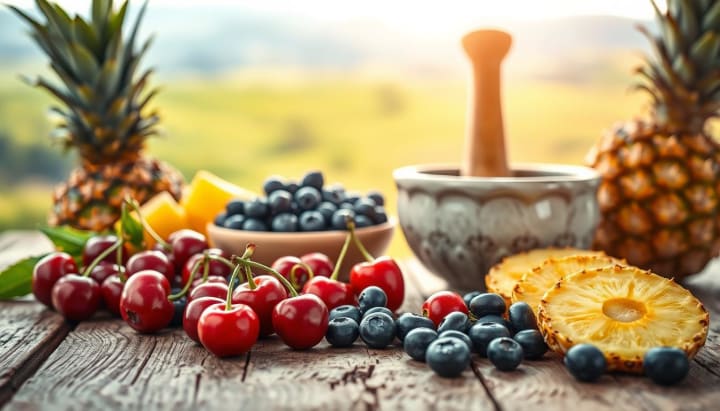
Anti-inflammatory fruits for arthritis preparation techniques
To get the most out of anti-inflammatory fruits for arthritis, it’s not just about eating them. How you eat them can make a big difference in your joint health.
How you pick, store, and prepare fruits is crucial. It affects their nutritional value. Here are some tips to boost the joint health benefits of your favorite fruits:
Choose organic fruits when possible to minimize pesticide exposure
Store fruits properly to preserve their anti-inflammatory compounds
Mix different fruits to get a broader range of nutrients
Pay attention to preparation methods that maintain nutritional integrity
When you eat anti-inflammatory fruits for arthritis matters. Some fruits work better at certain times or with specific foods.
Fruit Type Best Preparation Method Optimal Consumption Time
Berries Fresh or frozen Morning or before exercise
Citrus Fruits Raw or lightly cooked With protein-rich meals
Tropical Fruits Fresh or blended After physical activity
Be careful about how fruits might interact with your medicines. Always talk to your doctor before adding these fruits to your diet. Your health needs might be different.
It’s important to mix it up. Don’t just stick to one fruit. Aim for a variety that supports your joint health in many ways.
Conclusion
Your journey to understand fruits that help joint health shows a strong nutritional way to keep your body moving. Berries are full of antioxidants, and tropical fruits have compounds that fight inflammation. Nature has amazing ways to help your joints stay healthy.
The fruits we talked about show how food choices can help with joint pain. Berries, citrus fruits, and pomegranates are full of nutrients that fight inflammation and help cartilage. Each fruit has special benefits that help protect your joints.
Adding fruits that help joint health to your diet is best with a complete wellness plan. Everyone reacts differently, so be patient and try different things. Talk to health experts to create a plan that includes food, exercise, and medical advice for the best joint support.
By choosing healthy foods, you can take care of your joint health. Enjoying these tasty options means you’re investing in your future mobility and quality of life.
About the Creator
Keep reading
More stories from Charles Betts and writers in Education and other communities.
How Many Days a Week Should You Train the Same Muscle?
How Many Days a Week Should You Train the Same Muscle? Ever thought about whether you’re training your muscles too much or too little? Knowing the best frequency for working the same muscle group is key to fitness progress. It’s a common question for many who work out.
By Charles Betts3 months ago in Education
The World in a Bowl: How Noodles Traveled from Local Kitchens to Global Fame
Noodles began their journey as a simple solution to hunger. Made from basic ingredients such as grain and water, they were easy to prepare and could feed many people. Ancient records suggest that early forms of noodles appeared in East Asia thousands of years ago. At first, noodles were not considered special or luxurious. They were everyday food, cooked in broth or stir-fried to provide warmth and energy. This humble start played a key role in their success. Because noodles were flexible and straightforward, they could evolve over time and across cultures, adapting to new environments without losing their purpose.
By Table to Stix Ramen4 days ago in Education



Comments
There are no comments for this story
Be the first to respond and start the conversation.