
Top Fintech APIs for Finance Software in 2025
Fintech APIs for Finance Software

Today, APIs are driving this shift, providing core functionality that enables financial software to be fast, secure, and adaptive. For managers, choosing the right Fintech APIs is essential to remain competitive and scalable. Let’s look at some of the numbers that will give you a better understanding.
The global API management market is experiencing significant growth, projected to reach around $43.8 billion by 2032, with a compound annual growth rate (CAGR) of approximately34.7% from 2024 to 2032.
Incorporating artificial intelligence into API management is expected to enhance automation, security, and performance optimization, further boosting the market. By 2024, it is anticipated that over 80% of enterprises will use AI-integrated APIs, up from less than 5% in 2023.
APIs offer not only efficiency but also a powerful competitive advantage with agility, compliance, and scalability at the forefront. As businesses grow digital solutions, those Fintech APIs effectively are set to gain the edge in reshaping the financial.
Okay, let's do it. In this guide, we’ll explore the leading Fintech APIs, why they’re essential, and what management teams should consider when integrating them.
Key Benefits of Using Fintech APIs in Financial Software
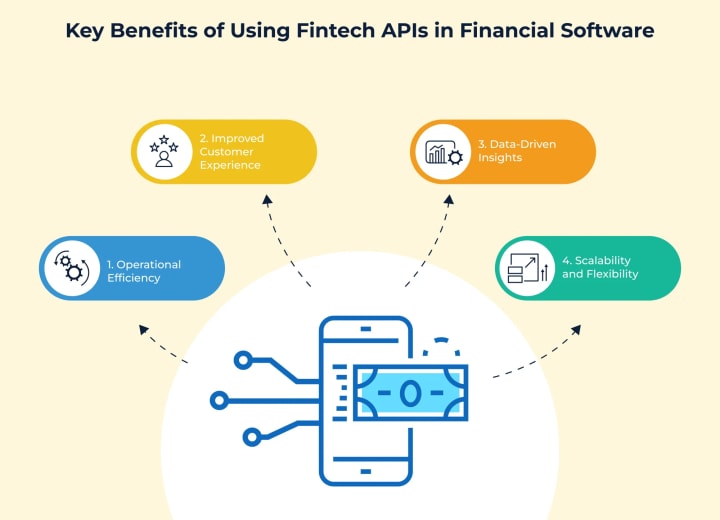
APIs have become a core if not a foundational component, and this helps companies deliver faster, more user-friendly, and data-driven financial solutions. Let's take a closer look at their primary benefits.
1. Operational Efficiency
Fintech APIs can have numerous repetitive and complex processes, significantly reducing the need for manual intervention. The automation provided by the APIs helps very quick data reconciliation, fund transfers, and compliance standards, reducing both human error and time spent on manual checks.
Automation of Routine Tasks:- APIs automate tasks like data synchronization between banks and third-party apps, ensuring accuracy and consistency.
Reduction of Manual Error:- With APIs handling complex calculations and data matching, error rates decrease, boosting overall productivity.
Faster Processing:- APIs help with real-time transactions, which is important for time-sensitive applications, such as payroll and lending.
2. Improved Customer Experience
By offering real-time data access and processes, APIs improve the end-user experience, making financial services more accessible, faster, and enjoyable to use. With quick data retrievals, seamless navigation, and faster processing times, users feel helped and are in control of their finances.
Real-Time Data Access:- APIs offer up-to-date account information, giving users accurate, live insights into balance, transactions, and spending trends.
Improved Usability:- Intuitive user interfaces and navigation tools helped by APIs allow customers to interact smoothly with financial services.
Personalized Experience:- APIs gather valuable data on user preferences, allowing applications to tailor features, advice, and promotions based on individual behaviors.
3. Data-Driven Insights
APIs serve as gateways to a wealth of data, which, when analyzed, provides actionable insights for financial institutions. This data helps better decision-making, such as identifying risk, understanding customer needs, and spotting market trends.
Comprehensive Analytics:- APIs aggregate diverse financial data into actionable insights, helping managers identify patterns and customer pain points.
Risk Management:- By analyzing customer spending habits, loan history, and other data, APIS helps predict potential credit or security risks.
Market Trend Analysis:- Access to aggregated industry data through APIs helps identify broader market movements and adapt to shits faster.
4. Scalability and Flexibility
APIs allow companies to adapt and grow by adding new functionalities or integrating third-party services without any existing systems. This scalability makes sure companies can expand their service offerings, enter new markets, or meet regulatory changes efficiently.
Modular Expansion:- APIs provide the flexibility to add new services, such as insurance, loans, or investment options, without overhauling the entire system.
Seamless Integration of Third-Party Services:- Fintech APIs provide easy partnerships with other financial services providers, improving the range of offerings.
Adaptability to Regulatory Changes:- APIs allow companies to quickly incorporate new compliance features to stay aligned with updated legal requirements, ensuring long-term scalability.
Categories of Fintech APIs
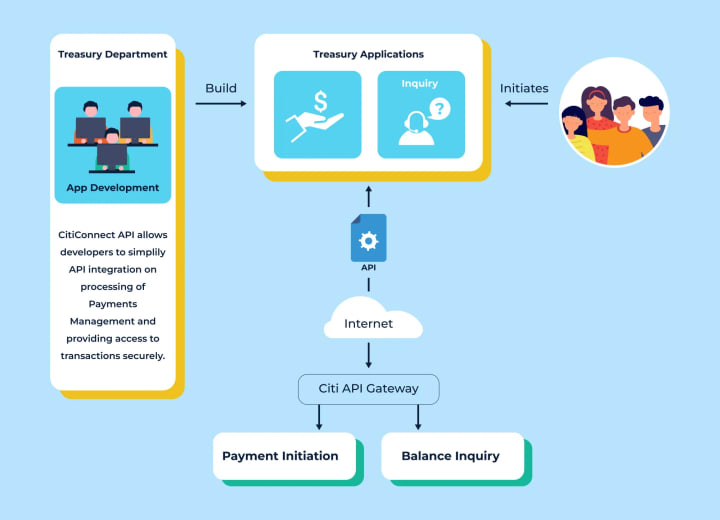
Each API category serves specific functions, helping businesses to deliver targeted solutions. Here’s a breakdown of the primary types of fintech APIs and the role each plays in finance software.
1. Financial Data Aggregators
Financial data aggregation APIs allow fintech applications to connect securely with various financial institutions and retrieve real-time banking information. This is essential for personal finance management apps, budgeting tools, and lending platforms that reply on accurate, up-to-date financial data.
2. Payment Processors
Payment processing APIs are important for enabling smooth, secure transactions within fintech application. These APIs facilitate credit and debit card payment, bank transfers, and digital wallet integrations, making them a backbone for e-commerce, peer-to-peer payment.
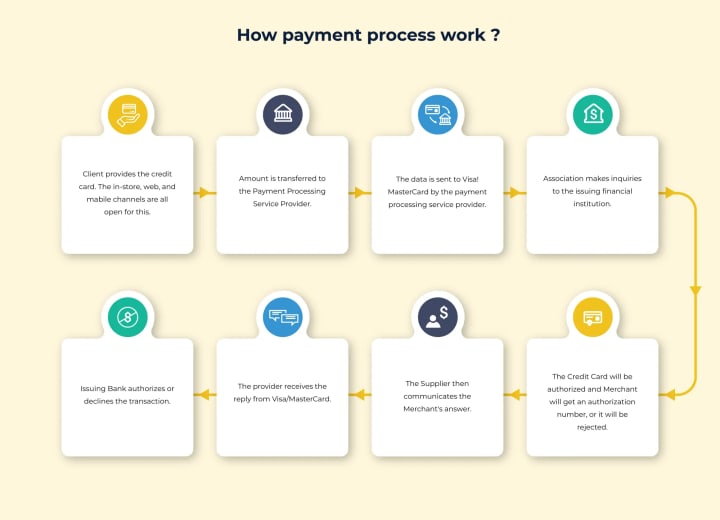
One of the most popular payment processors, Stripe offers a flexible API that supports a wide range of payment methods, including credit card ACH transfers. Also, Square’s API also provides payment processing solutions for both online and offline businesses.
3. KYC and RegTech Tools
Despite its numerous obstacles, Know Your Customer (KYC) is an important practice for regulation in many nations. Issues with KYC in your app might include longer onboarding times, as we know. These tools reduce fraud risks and help fintech companies stay compliant with regional and global regulations.
Greate example would be, Shuftipro, providing real-time KYC and AML verification with the help of AI-driven document verification, biometric checks, and data extraction as well.
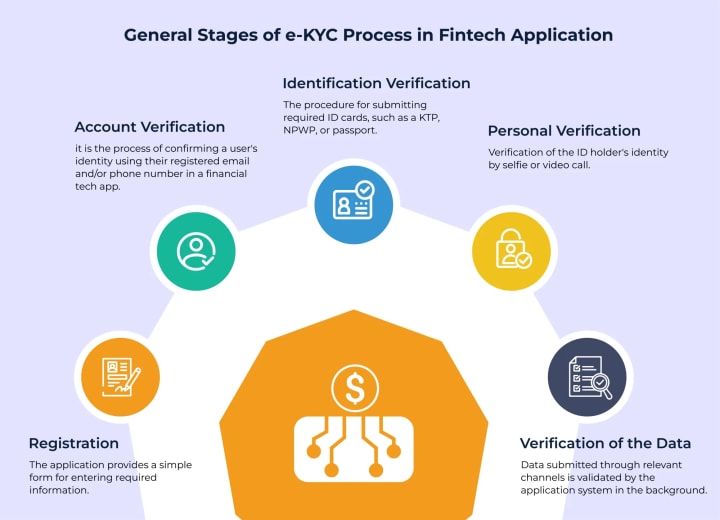
On the other hand, having to manually handle identity verification and its various intricacies, you can let KYC tools do all the heavy lifting for you. For instance, Trulioo offers video interviews, KYCs, and face biometrics to improve security against fraud and fake recordings.
4. Authentication and Authorization Tools
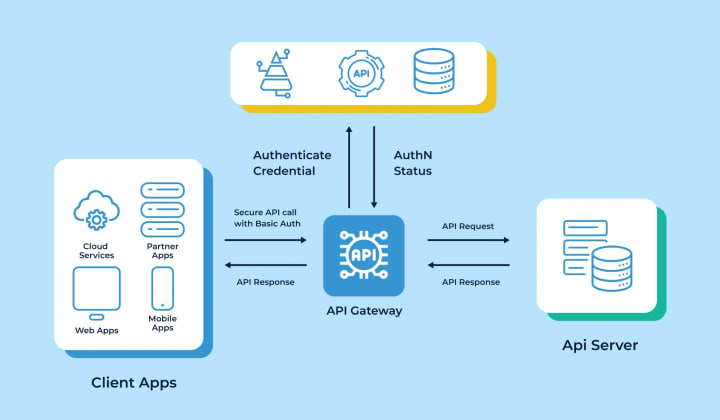
To protect user data and making sure secure access, authentication and authorization APIs are important. These APIs offer solutions like two-factor authentication (2FA), biometric login, and session management to safeguard against unauthorized access and potential breachers.
To Read Full Blog…
About the Creator
Keep reading
More stories from thirdrocktechkno2024 and writers in Education and other communities.
Top 10 AI Tools in Ed-Tech that Are Changing Education in 2024
All right, beautiful people, let's talk about AI in education. We all know how AI is the next big thing and how its changing the way we use these tools. But than there are some of the companies who have really implemented them correctly and we wanna talk about them and share it with you.!
By thirdrocktechkno2024about a year ago in Education
The Role of Mentorship Circles in Shaping Resilient Entrepreneurs
Launching a startup in today’s competitive environment is as much about mindset as it is about innovation. While market knowledge and capital matter, resilience often defines whether a business survives its early stages. One of the most powerful tools in building that resilience is participation in mentorship circles, where emerging entrepreneurs learn, grow, and evolve under the guidance of experienced business leaders.
By Greg Warnock5 days ago in Education
Everyday Motion Explained, What Modern Kinesiology Teaches Us About How We Move
Modern kinesiology has changed how we understand the way people move each day. It examines how muscles, joints, and nerves work together during simple actions such as walking, reaching, or sitting. Instead of focusing solely on sports or injury, modern kinesiology studies daily movement and its effects it comfort, balance, and energy. This field shows that small habits shape how the body feels over time, even when pain is not present.
By Kelln Small5 days ago in Education



Comments (1)
nice info