
Top Benefits of Learning Body Massage and Reflexology Together.
Discover the benefits of learning body massage and reflexology together. Enhance you skills, boost career opportunities, and deliver holistic care with this dual training.
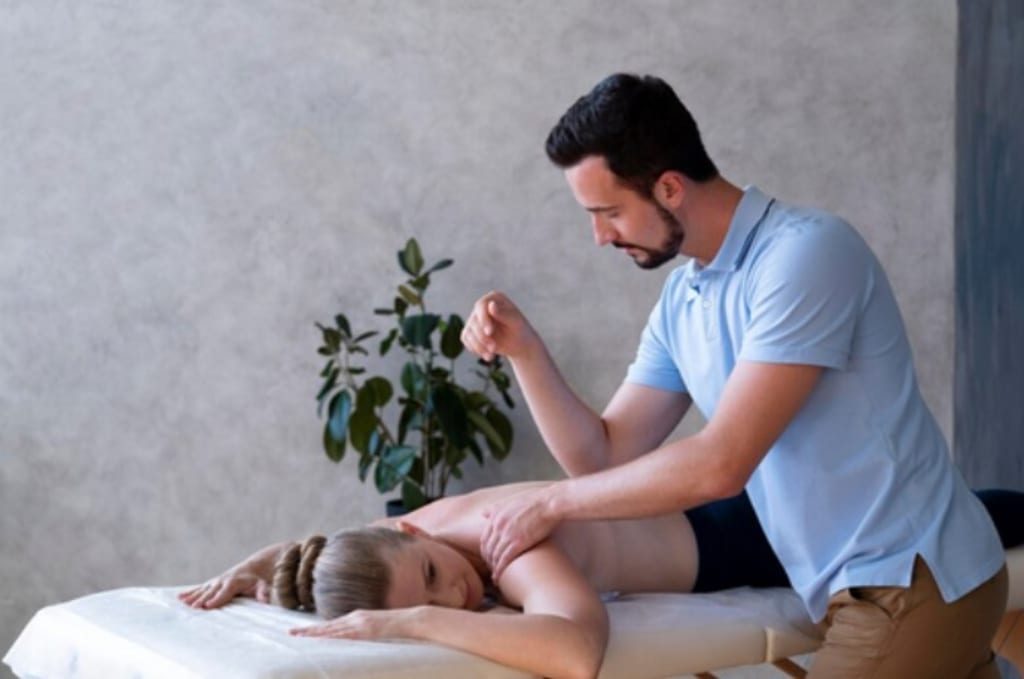
The fields of massage therapy and reflexology are rooted in centuries of healing practice, each offering unique benefits for physical and emotional wellbeing. While massage therapy focuses on manipulating muscles and soft tissues to promote relaxation and recovery, reflexology targets specific pressure points on the feet, hands, and ears to stimulate the body’s natural healing processes. When studied and practised together, these two therapies complement each other perfectly, creating a holistic skill set that meets the growing demand for integrative wellness services.
For aspiring therapists, combining body massage with reflexology opens the door to exciting professional opportunities and deeper personal satisfaction. Patients and clients alike increasingly seek treatments that blend relaxation with therapeutic outcomes, and professionals trained in both disciplines are better equipped to deliver comprehensive care.
Below, we explore the top benefits of learning body massage and reflexology together, and why this dual approach is worth considering for anyone serious about a career in holistic health.
A Comprehensive Approach to Healing
Massage therapy works directly on the muscular system, easing tension, improving circulation, and supporting recovery from stress and physical strain. Reflexology, on the other hand, stimulates reflex points believed to correspond with organs and systems in the body. By combining the two, therapists can provide a complete wellness experience that addresses both surface-level and internal imbalances.
For example, a client with chronic back pain might benefit from targeted massage to release tight muscles, followed by reflexology techniques that promote nervous system relaxation and encourage the body’s natural healing responses. This layered approach can offer results that are both immediate and long-lasting.
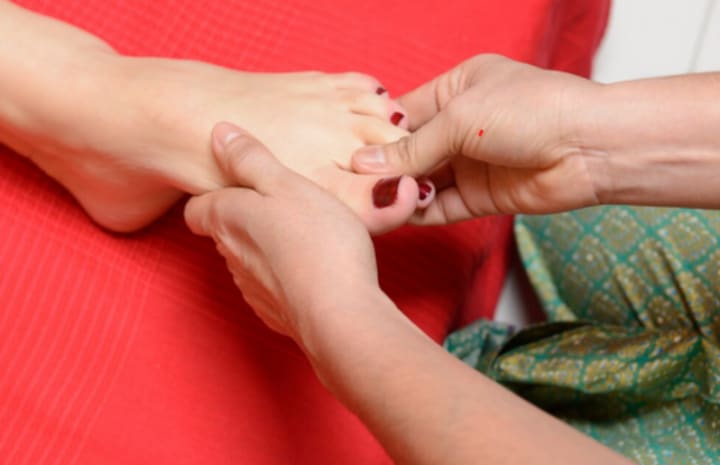
Meeting Client Expectations in the Modern Wellness Market
Today’s clients often seek therapies that provide more than relaxation. They want treatments that enhance health, reduce stress, and prevent illness. By learning both massage and reflexology, therapists can tailor treatments to suit these expectations.
This versatility appeals to diverse client groups:
- Busy professionals seeking stress relief
- Athletes recovering from intense training
- Individuals with chronic pain or fatigue
Clients interested in preventative care and holistic wellbeing
Enrolling in a Body massage course with reflexology gives practitioners the skills to meet these varied needs. It positions them as adaptable professionals who can combine treatments to create customized experiences.
Enhanced Professional Opportunities
Training in both disciplines significantly increases employability. Wellness centres, spas, rehabilitation clinics, and private practices all value therapists who bring multiple skills to the table. With a dual qualification, you could:
- Work in luxury spas offering premium combined treatments
- Join multidisciplinary clinics that emphasise integrative care
- Provide mobile services with broader treatment options
- Build a loyal client base as a private practitioner
In competitive job markets, standing out is crucial. A Body massage course with reflexology not only expands your skill set but also signals commitment to professional growth, making you more attractive to employers and clients alike.
Improved Health Outcomes for Clients
Clients benefit most when treatments are personalised and holistic. Combining massage with reflexology enables therapists to:
- Target muscular discomfort directly through massage
- Support internal balance and stress reduction through reflexology
- Address both physical and emotional wellbeing in a single session
Research suggests that reflexology can reduce anxiety, improve sleep quality, and support immune function. When integrated with massage therapy, these benefits are amplified, offering clients a comprehensive path to wellness.
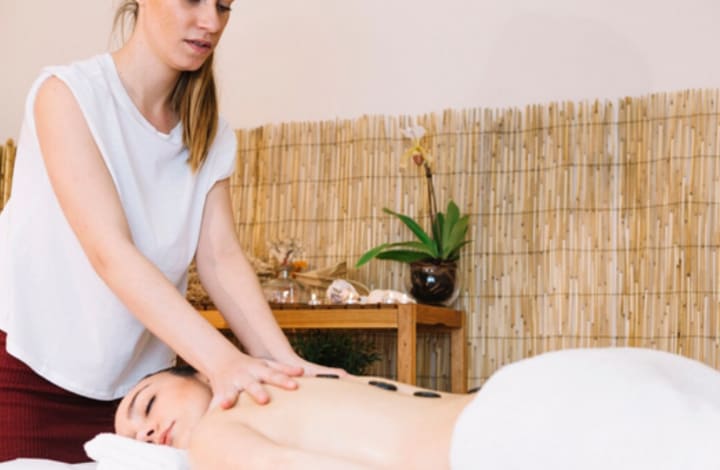
Greater Client Satisfaction and Loyalty
In any wellness business, client retention is as important as client acquisition. Offering combined therapies enhances the client experience, increasing satisfaction and encouraging repeat visits. A client who experiences both immediate relief and longer-term health improvements is more likely to return and recommend your services to others.
Word-of-mouth referrals are particularly powerful in the wellness industry, and therapists who master both disciplines can build strong reputations quickly. This leads to steady business growth and long-term success.
Personal Development and Practitioner Wellbeing
Beyond professional opportunities, learning both massage and reflexology enriches personal development. Practitioners gain a deeper understanding of the human body, mind, and energy systems. This knowledge can be applied not only to client care but also to personal health and wellbeing.
Massage and reflexology training also emphasise mindfulness, touch sensitivity, and the importance of self-care. Practitioners often report reduced stress, improved physical health, and enhanced empathy as they integrate these practices into their daily lives.
Versatility in Treatment Planning
Every client presents unique needs, and the ability to combine therapies gives therapists flexibility in treatment planning. For example:
- A client recovering from sports injuries may need deep tissue massage complemented by reflexology to support recovery.
- Someone experiencing high stress may benefit from soothing Swedish massage followed by reflexology for relaxation and hormonal balance.
- Elderly clients with circulation issues can receive gentle massage alongside reflexology to improve energy flow.
- This versatility not only strengthens the therapist’s practice but also demonstrates professionalism and expertise.
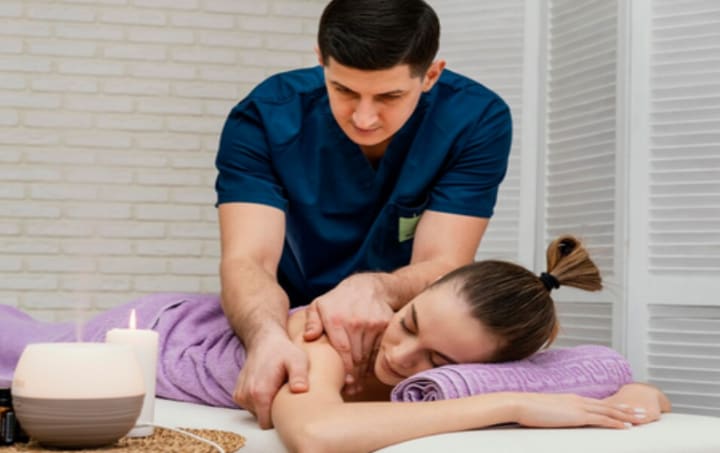
Building a Holistic Business Model
For therapists who aspire to open their own practice, offering both massage and reflexology can form the foundation of a strong business model. Clients often prefer practitioners who provide multiple services under one roof, saving them the need to visit several specialists.
Marketing strategies also become more dynamic. Promoting combined packages, loyalty programmes, or specialised wellness plans helps attract a wider audience and supports business growth.
Conclusion
Learning body massage and reflexology together provides far-reaching benefits. For clients, it means more comprehensive and effective care that supports physical, emotional, and internal wellbeing. For practitioners, it opens doors to high-value career opportunities, stronger client relationships, and personal development.
By combining these two powerful healing modalities, therapists not only enhance their professional credibility but also position themselves at the forefront of the growing wellness industry. Whether you are seeking employment in luxury spas, clinical settings, or aiming to build your own practice, investing in both disciplines offers a rewarding pathway to success.
About the Creator
Why the Sun’s Core Is Hotter Than Its Surface: The Science Behind the Sun’s Extreme Temperatures
Introduction: A Cosmic Mystery in the Sky Every day, the Sun rises and lights up our world. It warms the oceans, powers plants through photosynthesis, and drives Earth’s climate system. Yet behind this familiar glow lies one of the most fascinating mysteries of astrophysics: the Sun’s core is far hotter than its surface.
By shahkar jalal2 days ago in Education
A Memory I’ll Hold On to Forever
The hallway outside the classroom was unusually quiet that morning. Most of the students had already arrived. Their voices floated through the door; laughter, small conversations, the rustling sound of chairs being moved across the floor.
By Lori A. A.3 days ago in Education




Comments
There are no comments for this story
Be the first to respond and start the conversation.