
Top 9 Habits of Proactive Driving
Habits of Proactive Driving

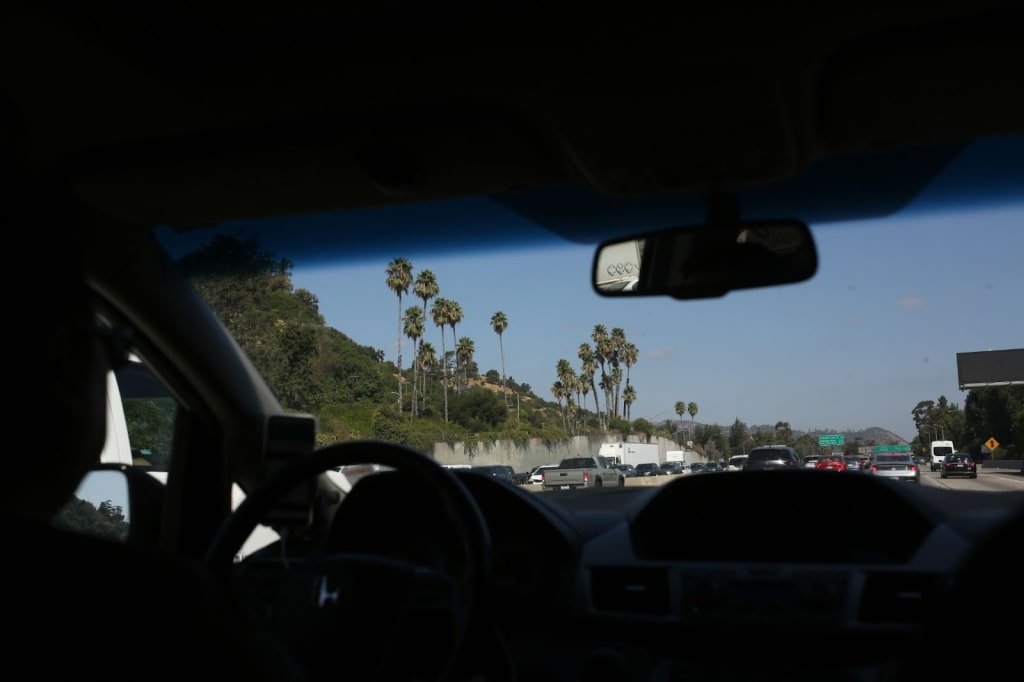
Proactive driving is essential for staying safe on the road and avoiding accidents. Unlike reactive driving, which focuses on responding to situations after they happen, proactive driving helps prevent dangerous situations before they occur. Whether you are a beginner or looking to improve your skills, developing proactive driving habits is crucial. Many driving schools in Bay Area emphasize these habits to help learners become safer and more confident drivers. Here are nine essential habits of proactive drivers:
Stay Alert and Focused
A proactive driver always remains alert and focused on the road. Distractions such as mobile phones, eating, or adjusting the radio can lead to delayed reactions. Keeping your eyes on the road, scanning for potential hazards, and being aware of other vehicles' movements will significantly reduce risks.
Maintain a Safe Following Distance
Keeping a safe distance between your car and the vehicle in front of you is crucial. The "three-second rule" is a great guideline to follow. In poor weather conditions, increase this distance to allow for more reaction time. Many driving schools in Bay Area teach students how to maintain a proper following distance to prevent rear-end collisions.
Anticipate Other Drivers’ Actions
Understanding that not all drivers follow traffic rules can help you prepare for sudden lane changes, abrupt stops, or reckless behavior. Watching for signs like turn signals, brake lights, or body language of pedestrians and cyclists can help you predict movements and avoid accidents.
Use Mirrors and Check Blind Spots
Regularly checking your mirrors and blind spots ensures that you are aware of your surroundings. Before changing lanes, merging, or turning, always glance at your mirrors and perform a shoulder check to spot any vehicles that might be in your blind spot.
Follow Speed Limits and Adjust to Conditions
Speed limits are set for a reason, but proactive drivers also adjust their speed based on road and weather conditions. If it's raining, foggy, or there is heavy traffic, reducing speed can help maintain control and improve reaction time.
Use Turn Signals and Communicate Clearly
Signaling your intentions early allows other drivers to react accordingly. Whether you are turning, merging, or changing lanes, using your turn signals in advance helps prevent confusion and accidents. Clear communication with other drivers is a key element taught in driving schools in Bay Area.
Be Ready for the Unexpected
Unexpected events such as sudden braking, pedestrians crossing, or road hazards can occur at any time. A proactive driver always has an escape plan, whether it’s identifying a safe spot to steer into or knowing how to react in an emergency.
Keep Your Vehicle in Good Condition
A well-maintained vehicle is essential for proactive driving. Regularly checking brakes, tires, lights, and fluid levels ensures that your car is in optimal condition. Poorly maintained vehicles can contribute to accidents, especially if brakes or tires fail unexpectedly.
Obey Traffic Rules and Be Courteous
Following traffic laws, stopping at stop signs, yielding when necessary, and respecting pedestrian crossings contribute to a safer driving environment. Additionally, courteous driving, such as allowing others to merge or refraining from aggressive behavior, promotes a smooth traffic flow.
Conclusion
Developing proactive driving habits takes time and practice, but they are essential for ensuring safety on the road. By staying alert, anticipating other drivers' actions, maintaining your vehicle, and following traffic laws, you can minimize risks and enjoy a stress-free driving experience. Many driving schools in Bay Area focus on teaching these habits to help new drivers build confidence and skill. Practicing proactive driving not only protects you but also makes the roads safer for everyone.
Read more: vocal.media
About the Creator
Meaghan Howe
I'm Meaghan Howe, an experienced education blogger with a strong foundation in Education. Through engaging writing, I provide practical advice and innovative strategies. My goal is to empower educators worldwide.
Keep reading
More stories from Meaghan Howe and writers in Education and other communities.
How To Become a Certified Medical Assistant
Becoming a certified medical assistant (CMA) is a rewarding career path that combines healthcare knowledge with administrative skills to support medical professionals and enhance patient care. If you want to enter this dynamic field, understanding the steps to certification and the role of medical assistant training programs is essential. This guide will outline everything you need to know to begin your journey toward becoming a CMA.
By Meaghan Howeabout a year ago in Education
Transforming Rentals into Profit Powerhouses
Owning rental property offers a reliable income stream, yet many landlords leave untapped the potential earnings. Thoughtful renovations can elevate rental appeal, increase monthly income, and reduce vacancies. By approaching property upgrades strategically, owners can turn standard rentals into highly competitive, profitable assets. Planning renovations with clear objectives ensures that every improvement contributes directly to long-term financial performance.
By Manny Khoshbin6 days ago in Education
Building Stronger Teams Through Diversity
Diversity in the workplace is more than a trend. It is a key part of building strong and creative teams. Companies today serve people from many cultures, backgrounds, and life experiences. Because of this, businesses need teams that reflect the world around them.
By Aaron Khieuabout 6 hours ago in Education


Comments
There are no comments for this story
Be the first to respond and start the conversation.