
Top 10 Incredible Facts About the Solar System
“When you look at the stars and the galaxy, you feel that you are not just from any particular piece of land, but from the solar system.”
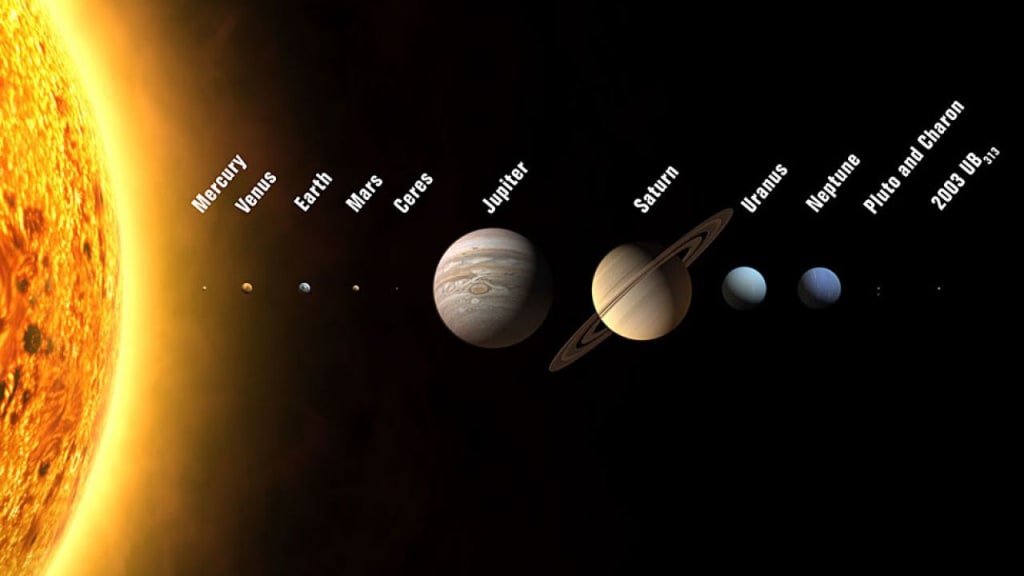
The Solar System is a vast and fascinating place filled with wonders that continue to amaze scientists and stargazers alike. From its scorching Sun to its distant icy objects, here are ten incredible facts that will change the way you see our cosmic neighborhood.
1. The Sun Contains 99.86% of the Solar System's Mass
Our Solar System is dominated by the Sun, which accounts for almost all of its mass. This massive star weighs approximately 330,000 times more than Earth and is made mostly of hydrogen and helium. Without the Sun’s immense gravitational pull, the planets, moons, and other celestial bodies would drift into the void of space.
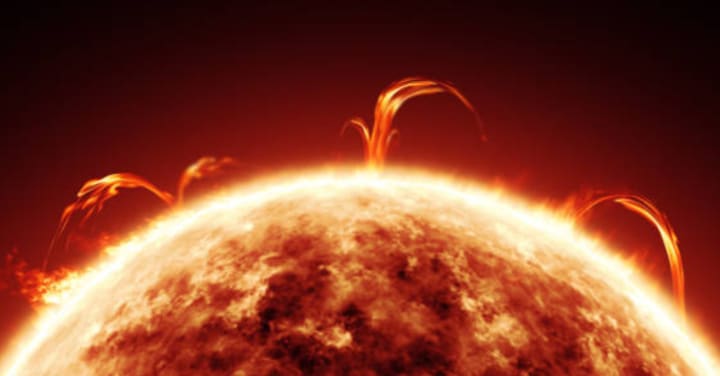
2. Mercury Has Ice Despite Being Closest to the Sun
Mercury is the closest planet to the Sun, with surface temperatures reaching up to 800°F (427°C). However, it has polar craters that are permanently shadowed, allowing ice to exist in these areas. Scientists believe this ice could be millions of years old.
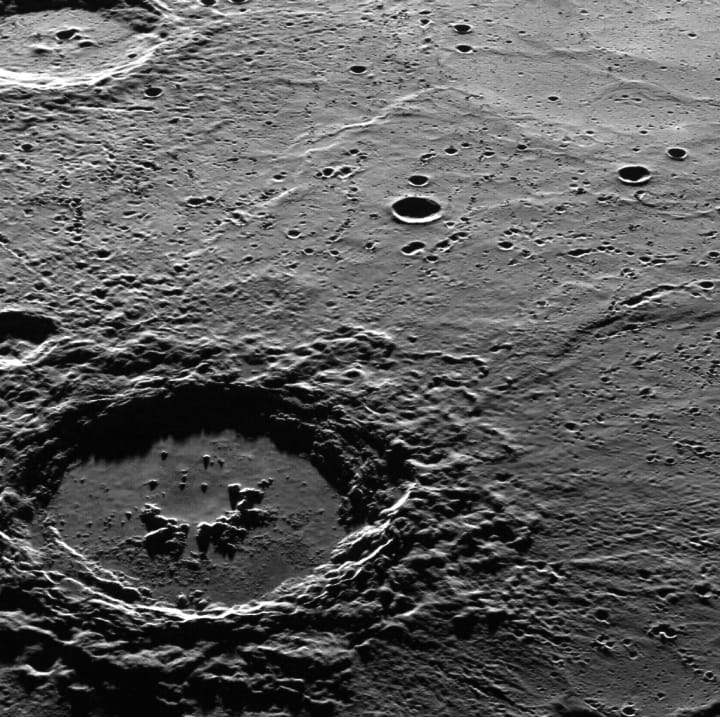
3. Venus Rotates Backwards
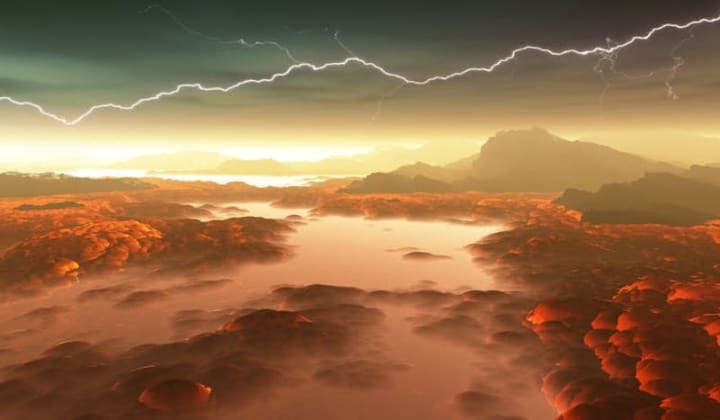
Unlike most planets, Venus rotates on its axis in the opposite direction of its orbit around the Sun. This means the Sun rises in the west and sets in the east on Venus. A day on Venus is also longer than a year there, taking 243 Earth days to complete one rotation.
4. Earth Is the Densest Planet
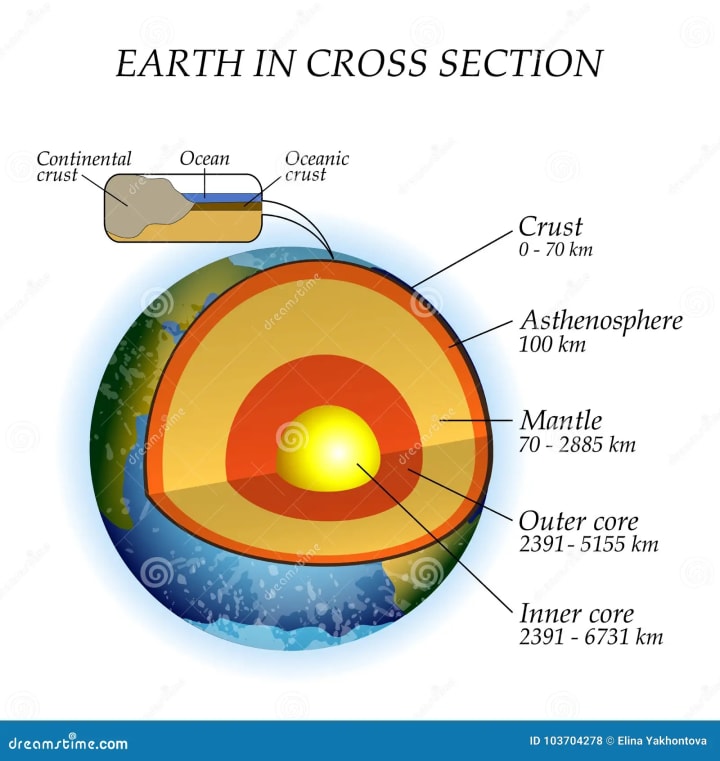
Earth might not be the largest planet in the Solar System, but it is the densest. Its unique composition of metals, rocks, and water gives it an average density of 5.51 grams per cubic centimeter, higher than any other planet.
5. Mars Has the Tallest Volcano
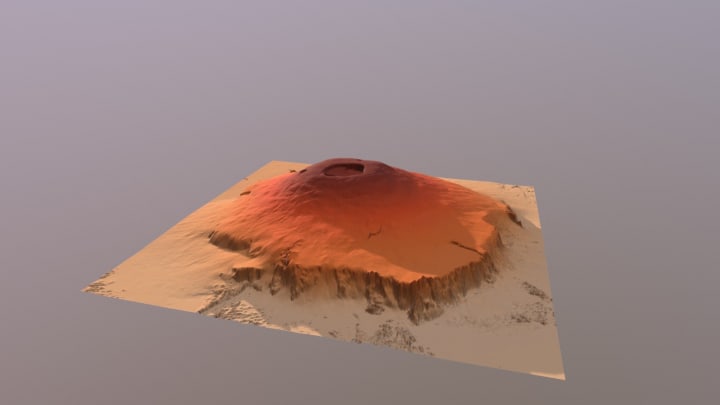
Olympus Mons, located on Mars, is the tallest volcano and one of the largest mountains in the Solar System. Standing at about 13.6 miles (22 kilometers) high, it’s nearly three times the height of Mount Everest. Its base is so large that it would cover the state of Arizona.
6. Jupiter Has the Most Moons
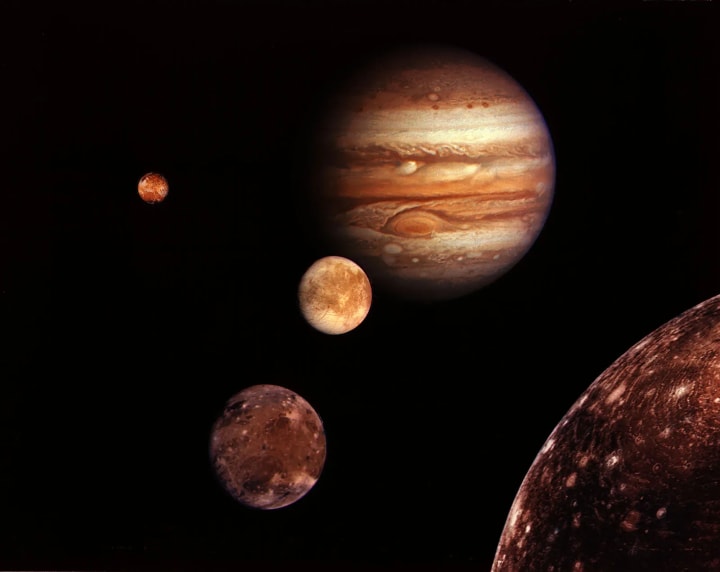
Jupiter holds the record for the most moons in the Solar System, with 92 confirmed moons as of now. These moons range from the massive Ganymede, which is larger than Mercury, to tiny irregularly shaped moons only a few kilometers wide.
7. Saturn's Rings Are Made of Ice and Rock
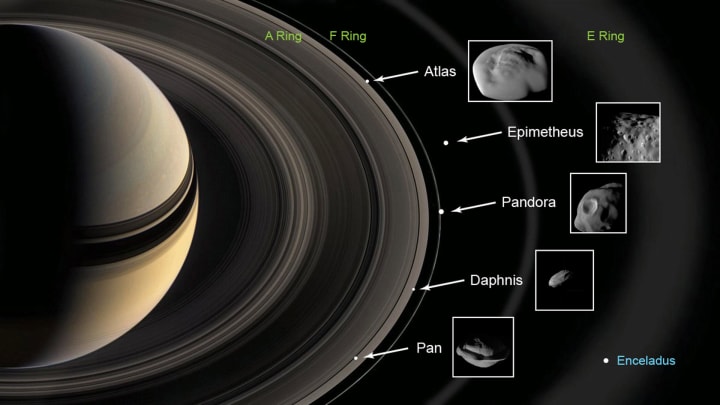
Saturn’s iconic rings are composed primarily of ice particles, along with smaller amounts of rock and dust. The rings are incredibly thin, measuring just about 30 feet (10 meters) thick in most places, despite stretching over 175,000 miles (282,000 kilometers) in diameter.
8. Uranus Spins on Its Side
Uranus is unique because it rotates almost completely on its side, with an axial tilt of 98 degrees. This unusual orientation is likely the result of a collision with a massive object early in its history. As a result, Uranus experiences extreme seasonal variations.
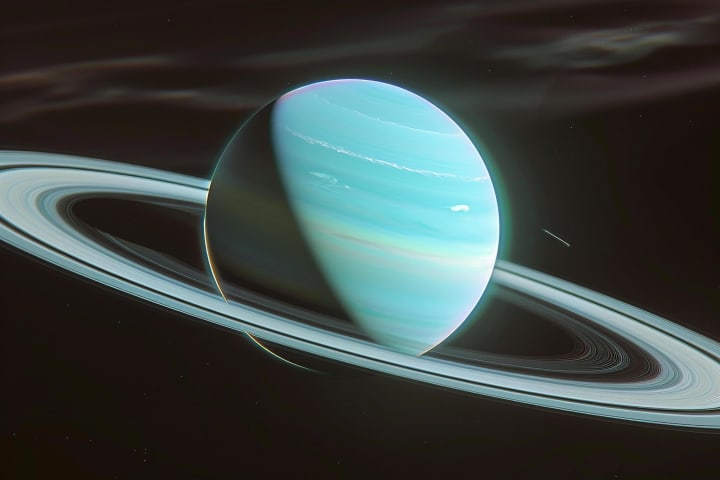
9. Neptune Has the Strongest Winds
Neptune’s atmosphere features the most powerful winds in the Solar System, reaching speeds of up to 1,200 miles per hour (1,931 kilometers per hour). These supersonic winds occur despite the planet being so far from the Sun and receiving minimal solar energy.
10. The Kuiper Belt and Beyond
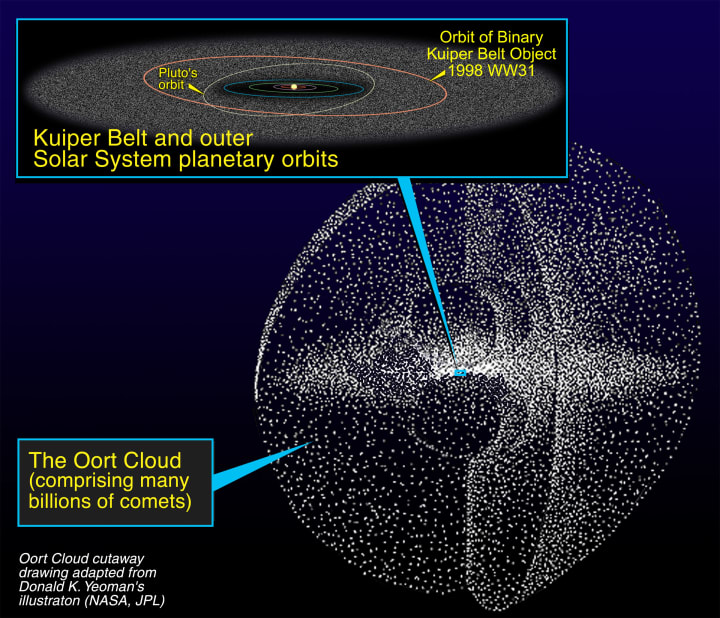
Beyond Neptune lies the Kuiper Belt, a region filled with icy bodies and dwarf planets like Pluto. It’s also the origin of many comets that visit the inner Solar System. The Kuiper Belt stretches for billions of miles and is largely unexplored.
The Solar System is an endlessly fascinating place, with each planet and celestial body offering unique characteristics that deepen our understanding of the universe. As technology advances, who knows what other wonders we might uncover?
Which of these facts surprised you the most? Share your thoughts in the comments!
About the Creator
Keep reading
More stories from Plamena Peneva and writers in Education and other communities.
Top 5 Books That Will Transform Your Life
Books have an extraordinary ability to shift perspectives, broaden horizons, and inspire transformation. They can serve as guides in moments of uncertainty, motivators in times of doubt, and companions on the journey of self-discovery. If you're searching for a way to enrich your life, look no further than these five timeless books. Each offers profound lessons that will not only change how you think but also how you live.
By Plamena Penevaabout a year ago in BookClub
Why the Sun Rotates Faster at the Equator: The Surprising Physics of Solar Rotation
If you watch the Sun through powerful telescopes over several days, you might notice something unusual. Dark patches known as sunspots slowly drift across the surface of the Sun as the star rotates. At first, this movement seems similar to the rotation of Earth or other planets.
By shahkar jalala day ago in Education
Cover Assembly Screened in Aircraft Systems: Function, History, and Aerospace Applications
Introduction: My Research into Cover Assembly Screened Aircraft Components While studying aircraft hardware and aerospace structural parts, I recently explored a catalog listing dedicated to Cover Assembly Screened components used in aviation systems. During my research, I realized that even small parts like protective covers are essential for the reliability, safety, and longevity of aircraft electronics and mechanical assemblies.
By Beckett Dowhan7 days ago in Education
Top tipple tricks
Been thinking a lot about drinking, lately. Not least because of a recent episode of over-indulgence and the inevitable after effects. Some readers may recall the earlier articles I wrote about beating the booze. Here I set out an experiment in techniques for cutting down on my alcohol intake. The experiment was successful, the techniques worked, and I have armed myself with an arsenal of weapons in the war against the demon drink. I have yet to fire the first round however. It's all a question of timing (perhaps procrastination).
By Raymond G. Taylor7 days ago in Psyche




Comments
There are no comments for this story
Be the first to respond and start the conversation.