
Tokenization in Real Estate and the Future of Property Ownership
Tokenization in Real Estate

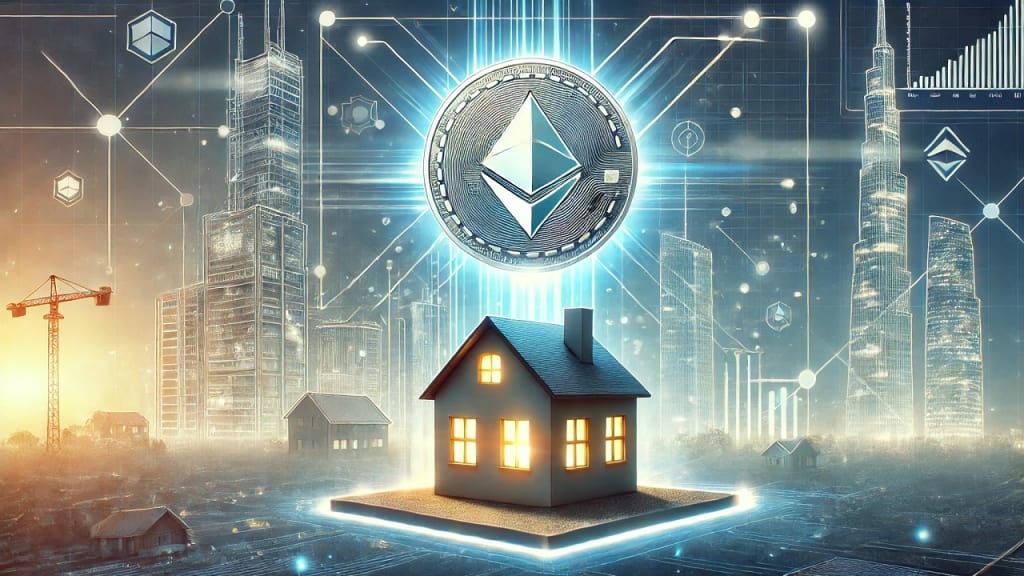
The world of real estate is changing. Traditional methods of buying, selling, and owning property are evolving as technology advances. One of the most exciting developments is the tokenization of real estate. This process involves turning real estate assets into digital tokens on a blockchain. In this blog post, we will explore what tokenization is, how it works, and the future of property ownership through Crypto Token Development.
What is Tokenization in Real Estate?
Tokenization in real estate refers to converting physical property into digital tokens. These tokens represent ownership or shares of the property. By doing this, real estate becomes more accessible, and ownership can be divided into smaller, more affordable units. This approach allows a broader range of investors to participate in property markets that were once reserved for the wealthy.
These digital tokens are recorded on a blockchain, ensuring transparency, security, and easy transferability. Blockchain technology provides a tamper-proof ledger that tracks ownership and transactions. This method is radically transforming the real estate industry by making investments more liquid and accessible.
How Does Tokenization Work?
The process of tokenizing real estate involves several steps. First, a property is selected and its value is determined. This could be a residential building, commercial property, or even land. Once the property is chosen, the next step is to create a digital token that represents ownership.
For example, let’s say a property is valued at $1 million. The property can be tokenized into 1 million tokens, each worth $1. Investors can then purchase these tokens, giving them partial ownership of the property.
Each token holder has a stake in the property, and the value of the tokens is tied to the value of the property. These tokens can be traded or sold on blockchain-based platforms, allowing for easier transactions than traditional real estate sales, which often involve brokers and lengthy paperwork.
The beauty of tokenization is that it lowers the barrier to entry. Rather than needing large amounts of capital to purchase a full property, investors can buy smaller portions of a property. This also allows for fractional ownership, where multiple investors share in the ownership and profits of a property.
Advantages of Tokenization in Real Estate
Tokenization in real estate offers several significant advantages over traditional property transactions. Let’s explore the top benefits:
1. Increased Liquidity
Traditionally, real estate is an illiquid asset. It can take months or even years to sell a property and cash out on an investment. Tokenization addresses this issue by providing a way to sell fractional shares of property quickly. Investors can buy and sell tokens in a matter of minutes, giving them flexibility and faster access to their funds.
This increased liquidity opens up the real estate market to a larger pool of investors, including those who may not have the resources to purchase an entire property. It also allows people to diversify their portfolios by adding fractional investments in different properties.
2. Lowered Barriers to Entry
Real estate investments typically require a large amount of capital. However, with tokenization, investors can purchase smaller portions of a property. This makes real estate more accessible to everyday people and smaller investors. It democratizes access to a market that was once exclusive to the wealthy.
For example, instead of needing $100,000 to buy a property, an investor could purchase tokens worth just $1,000. This opens up the market to people who may not have had the financial means to invest in real estate before.
3. Increased Transparency and Security
Blockchain technology is the backbone of real estate tokenization. It offers transparency by recording every transaction on a public ledger. This ledger is immutable, meaning no one can alter it. This ensures that all ownership records are secure and verifiable.
For investors, this is a major advantage. Blockchain ensures that the ownership of tokens is clear and transparent, reducing the risk of fraud. Transactions are recorded, and every token holder can see the history of the property and its transactions.
4. Efficiency and Cost Savings
The traditional real estate process can be time-consuming and expensive. Brokers, legal fees, and other intermediaries add up to significant costs. Tokenization cuts down on these costs by eliminating intermediaries. It allows buyers and sellers to transact directly with one another on the blockchain.
In addition, the speed of transactions is dramatically improved. Real estate deals that traditionally took weeks or months can now be completed in a matter of hours or days.
5. Global Access
With tokenized real estate, investors can buy property anywhere in the world without the need for local intermediaries. This opens up the real estate market to a global audience. Investors can purchase shares in properties across different countries and regions, diversifying their portfolios with ease.
For property owners, this provides an opportunity to attract international investors, which could increase the value of their properties.
The Role of Crypto Token Development in Real Estate
The development of crypto tokens is central to the tokenization of real estate. Crypto Token Development is responsible for creating the digital tokens that represent ownership of real estate. These tokens are built on blockchain platforms that ensure security and transparency.
Real estate tokenization is a complex process that requires a deep understanding of both blockchain technology and the real estate market. Developers must create smart contracts, which are self-executing agreements that automatically enforce the terms of the contract without the need for intermediaries.
Through Crypto Token Development, real estate developers can ensure that the process of tokenizing property is seamless and secure. Tokenization involves integrating various elements, such as fractional ownership, dividend distribution, and the ability to transfer tokens easily. Blockchain networks, such as Ethereum, are often used to build these tokens, ensuring that transactions are quick and secure.
By partnering with a Crypto Token Development company, real estate developers can launch tokenized properties and open up their investments to a global pool of investors.
The Future of Property Ownership
Tokenization is set to transform the real estate industry. As we look to the future, several trends are emerging that will change how property ownership works.
1. More Accessible Real Estate Markets
The accessibility of tokenized real estate will continue to grow in 2025 and beyond. With more platforms launching tokenized real estate offerings, it will be easier for individuals to invest in properties globally. As the market grows, more properties will be tokenized, giving investors a wider selection of real estate to choose from.
These platforms will also offer increased liquidity, meaning investors can quickly buy or sell their shares in a property, making real estate a more fluid asset.
2. Increased Regulation and Standardization
As the tokenization of real estate becomes more popular, regulatory bodies will play a bigger role in ensuring that the market operates smoothly. In the future, we can expect clearer regulations around tokenized real estate, ensuring that investors’ rights are protected and that the market is secure.
Standardization will also be important. As more properties are tokenized, there will be a need for standardized practices and protocols for creating, trading, and owning tokenized real estate.
3. Smart Contracts and Automation
Smart contracts will become more sophisticated as the real estate market embraces blockchain technology. These self-executing contracts will automate many of the processes that traditionally require human involvement. For example, smart contracts can automatically execute the transfer of ownership once payment is made, reducing the need for third-party involvement.
This automation will make transactions faster and more efficient, reducing the potential for errors and streamlining the process of buying and selling property.
4. Tokenization of More Asset Classes
While real estate is currently one of the most popular asset classes for tokenization, we expect to see tokenization extend to other industries. The tokenization of assets such as art, commodities, and even stocks is already underway. As the technology matures, more asset classes will be tokenized, giving investors even more opportunities to diversify their portfolios.
5. Fractionalized Ownership Becomes Commonplace
Fractional ownership of property will become more common as tokenization gains traction. In the future, we may see more people owning a share in multiple properties, rather than buying an entire property. This could revolutionize the way people think about property ownership, allowing them to diversify their investments without the need for large capital.
6. Ownership of Digital Real Estate
Another exciting trend is the rise of digital real estate. Virtual worlds, such as Decentraland and The Sandbox, allow users to buy and sell virtual land. Tokenization is also playing a role in the metaverse, where people can buy, sell, and develop virtual property. In the future, we may see a blend of physical and digital real estate ownership as the metaverse grows.
Challenges to Overcome
While tokenization offers many benefits, there are challenges that still need to be addressed. One major challenge is the legal and regulatory landscape. As with any new technology, governments and regulatory bodies need to catch up and create laws to govern tokenized real estate.
Another challenge is ensuring that the technology is secure and that the tokens accurately represent the value of the property. Developers need to ensure that the tokenization process is transparent and verifiable, with all necessary documentation to back the property’s value.
Conclusion
Tokenization in real estate is poised to revolutionize the way we think about property ownership. By using blockchain technology, real estate can be divided into fractional shares, making it more accessible to a broader range of investors. This change will increase liquidity, reduce barriers to entry, and offer greater transparency.=
Crypto Token Development plays a crucial role in bringing this vision to life, by enabling the creation of digital tokens that represent real estate assets. As tokenization becomes more mainstream, we can expect to see a future where real estate ownership is more democratic, efficient, and globally accessible. With the benefits of tokenization becoming clearer, it’s likely that more property developers and investors will embrace this technology, shaping the future of property ownership for generations to come.
About the Creator
Sneha Ahlawat
I'm Sneha Ahlawat, Senior crypto marketing expert at Wisewaytec. Wisewaytec offers comprehensive crypto marketing services, expertly crafted to elevate your brand in the dynamic digital landscape.
Keep reading
More stories from Sneha Ahlawat and writers in Education and other communities.
How Crypto Tokens Will Transform Supply Chain Management in 2025
The world of supply chain management is evolving quickly. Traditional methods are being challenged by emerging technologies like blockchain and crypto tokens. These innovations are set to revolutionize the way supply chains operate, bringing in more efficiency, transparency, and security. As we look ahead to 2025, crypto tokens are positioned to be a key part of this transformation.
By Sneha Ahlawatabout a year ago in Education
The Comfort of Arrival: Why Certain Destinations Instantly Feel Familiar
There are moments in travel that defy logic. You arrive in a place you have never visited before, step onto its streets, breathe in its air, and suddenly feel at ease. There is no adjustment period, no sense of being out of place. Instead, there is a quiet recognition, as if the destination has been waiting for you. This feeling of instant belonging is not accidental, nor is it purely romantic imagination. It is the result of emotional, cultural, psychological, and environmental factors working together to create a sense of home far from home.
By Producer James Simon5 days ago in Education
The Proven Natural Skincare Secret with Healthy Skin
Healthy skin does not come from harsh products or complicated routines. It comes from working with nature, not against it. The natural skincare secret that many people overlook is the power of raw honey as a daily skin ally. This simple ingredient has been used for generations, yet many still do not understand its effectiveness. When used correctly, raw honey can change how your skin looks and feels.
By Kelln Small5 days ago in Education
Wild Card Weekend Recap: What Happens Now?
I think I figured out why I love Wild Card Weekend so much. It's because it's the first playoff anything of the calendar year. The NFL season starts in the fall, and once upon a time, the champion was crowned either on or slightly before New Year's. The evolution of the NFL schedule has resulted in the playoffs starting just into the New Year, and currently, the final week of the season falls on the first weekend of the New Year, with Wild Card Weekend coming a week after that. So yes, chronologically, the NFL's Wild Card Weekend serves as the first playoff anything of the calendar year.
By Clyde E. Dawkins5 days ago in Unbalanced




Comments
There are no comments for this story
Be the first to respond and start the conversation.