
"Thirukkural: Exploring the Wisdom of Ancient Tamil Literature"
Unveiling the Universal Truths and Ethical Values Embedded in Thirukkural

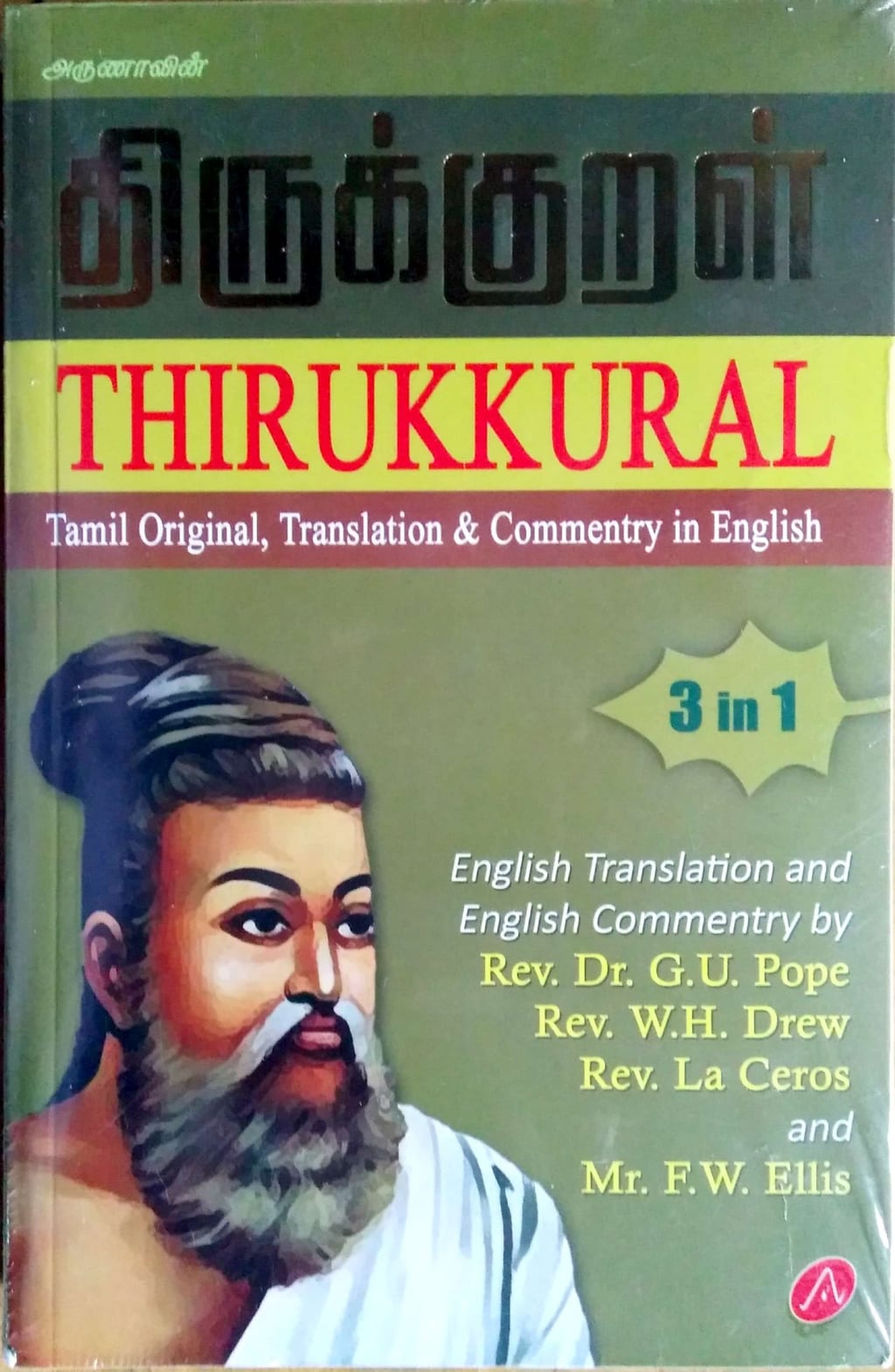
Introduction:
Thirukkural, also known as the Kural, is a timeless masterpiece of ancient Tamil literature. Composed by the revered sage Thiruvalluvar over 2,000 years ago, Thirukkural remains one of the most profound and influential works in the world of ethics and morality. This monumental text, consisting of 1,330 couplets, covers a wide range of topics, offering insights into various aspects of human life, virtue, and social conduct. In this article, we delve into the essence of Thirukkural and explore the wisdom it imparts, which continues to resonate with readers across generations.
Historical Context and Authorship:
Thirukkural holds a significant place in the cultural and literary heritage of Tamil Nadu, India. It was written during a period of rich intellectual and philosophical discourse in Tamil society. While the exact dates of Thiruvalluvar's life are uncertain, historians believe that he lived between the 3rd century BCE and the 1st century CE. Despite the passage of time, Thirukkural has endured as a testament to the enduring wisdom of the Tamil people.
Structure and Organization:
Thirukkural is organized into three major sections, known as "books" or "adhikarams," each focusing on a specific aspect of life:
a) Aram (Virtue): This book explores ethical virtues, personal conduct, and moral principles. It covers topics such as righteousness, truthfulness, gratitude, and compassion.
b) Porul (Wealth): Porul deals with economic and political matters, emphasizing the importance of good governance, economic prosperity, and the proper utilization of resources.
c) Inbam (Love): This book delves into the realm of love, marriage, and family life, addressing the nuances of relationships, love, and intimate matters.
Universal and Timeless Wisdom:
One of the remarkable aspects of Thirukkural is its universal applicability. Despite being rooted in ancient Tamil culture, the teachings of Thirukkural transcend time, geography, and cultural boundaries. The ethical principles and moral values it promotes are relevant to people of all backgrounds and cultures, offering profound insights into human nature and behavior.
Ethical Philosophy:
Thirukkural promotes a comprehensive ethical philosophy that emphasizes the importance of leading a righteous and virtuous life. It advocates for the practice of dharma (righteousness) as the guiding principle for individuals and societies. Thiruvalluvar's ethical teachings encompass not only personal conduct but also social responsibilities and the pursuit of the common good.
Key Themes and Lessons:
a) Virtue and Moral Conduct: Thirukkural highlights the significance of virtues such as honesty, integrity, patience, and gratitude. It provides practical guidance on how to lead a virtuous life and make ethical choices.
b) Justice and Good Governance: Thirukkural underscores the importance of just and fair governance. It sheds light on the qualities of an ideal ruler and the principles of good administration.
c) Love and Relationships: The book of Inbam explores the complexities of love, friendship, and family life. It offers valuable insights into maintaining harmonious relationships and building a strong, loving community.
d) Education and Knowledge: Thirukkural recognizes the importance of education and the pursuit of knowledge. It emphasizes the role of continuous learning in personal growth and the betterment of society.
Influence and Legacy:
Thirukkural's impact extends beyond literature and language. Its teachings have influenced various fields, including ethics, philosophy, politics, and education.
Here are three examples of Thirukkural couplets (Kurals) along with their translations:
Kural 109: "பிறனில் விழையான் வாழ்க்கை தான்பிறித்து
அறனில் விழையான் வாழ்க்கை."
Translated meaning: "Life is worth living when one lives for others; living without harming others is true life."
This Kural emphasizes the importance of selflessness and compassion in leading a meaningful life. It suggests that the true essence of life lies in benefiting others and refraining from causing harm to anyone.
Kural 233: "கடனறிந்து செல்வம் அறிவிலான் பேதைமை
இடும்பையும் ஏமாப்புப் படும்."
Translated meaning: "Wealth without knowledge is like a debt; it brings only anxiety and misery."
This Kural emphasizes the significance of knowledge and wisdom in the pursuit of wealth. It suggests that wealth acquired without the guidance of knowledge can become burdensome and lead to distress.
Kural 894: "மனத்ததுணை இல்லாத செய்யாமை யார்மாட்டும்
கனத்ததுணை இல்லாத காமம்."
Translated meaning: "Desire without self-control is an action that should never be done by anyone."
This Kural highlights the importance of self-control and discipline in managing desires. It suggests that succumbing to unchecked desires can lead to negative consequences and should be avoided.
These examples showcase the depth and wisdom encapsulated in Thirukkural, offering valuable insights into ethical living, the pursuit of knowledge, and the importance of self-control.
About the Creator
U.G. Krishnamurti: A Maverick Philosopher's Quest for Truth
Introduction Uppaluri Gopala Krishnamurti, widely known as U.G. Krishnamurti, was a fascinating and enigmatic figure in the realm of philosophy and spirituality. Born in 1918 in the southern Indian state of Andhra Pradesh, U.G. Krishnamurti challenged the conventions of traditional spirituality and embarked on a relentless quest for truth. Rejecting the need for gurus, doctrines, and belief systems, he advocated for a radical and unorthodox approach to self-realization and enlightenment. This article delves into the life, teachings, and impact of U.G. Krishnamurti, exploring the key themes that shaped his philosophy and the lasting legacy he left behind.
By Velland3 years ago in Motivation
Everyday Motion Explained, What Modern Kinesiology Teaches Us About How We Move
Modern kinesiology has changed how we understand the way people move each day. It examines how muscles, joints, and nerves work together during simple actions such as walking, reaching, or sitting. Instead of focusing solely on sports or injury, modern kinesiology studies daily movement and its effects it comfort, balance, and energy. This field shows that small habits shape how the body feels over time, even when pain is not present.
By Kelln Smalla day ago in Education
The New Career Compass: How AI Is Redefining Work and Opportunity
Artificial intelligence has moved from science fiction into everyday working life. It now shapes how people find jobs, perform tasks, and plan long-term career paths. From creative fields to technical roles, AI is changing what skills matter and how success is measured. Instead of replacing ambition, this technology is becoming a powerful tool that helps workers adapt, grow, and stay relevant in a fast-moving job market.
By Greg Deshieldsabout 17 hours ago in Education



Comments
There are no comments for this story
Be the first to respond and start the conversation.