
Things to Avoid or Consider During Air Travel
Air Travel
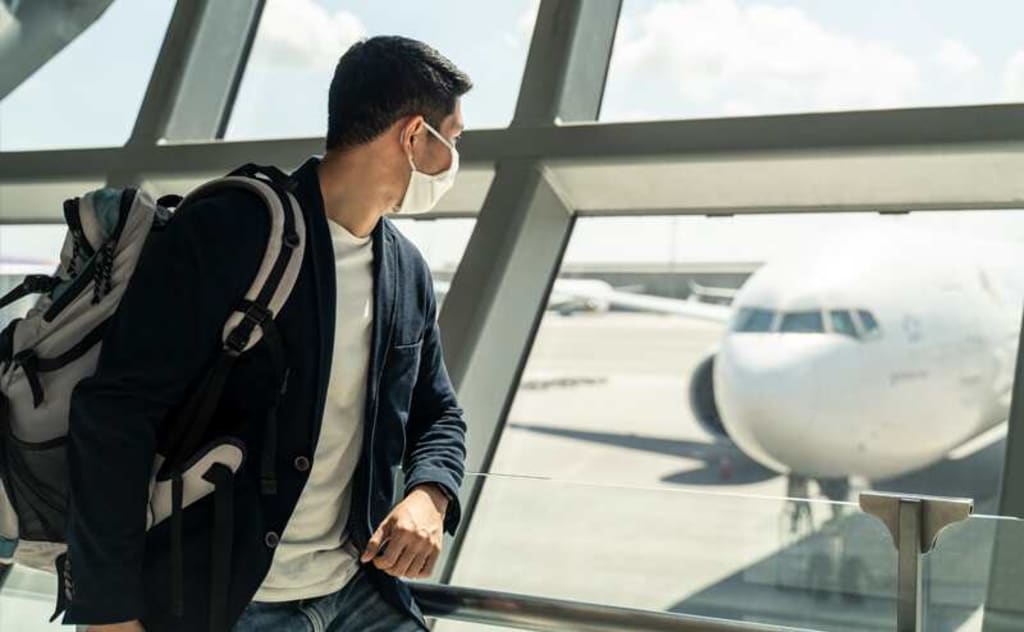
Flying has become a routine for many people, but even frequent flyers may not be aware of things you should never do on a plane. One of the biggest no-nos is going barefoot. Besides the unpleasant odor, the airplane floor is extremely filthy, with previous passengers leaving dirt and potentially contagious foot problems behind. Instead, if you want some freedom for your feet, take off your shoes but at least wear socks or light slippers. The passenger cabin air is dry, so bring moisturizer to avoid discomfort.
Securing your tray table and keeping your seat in an upright position during takeoff and landing are important safety measures. Reclined seats can impede emergency evacuations and make it harder to get into the brace position during landing. Avoid sleeping during these phases to stay alert, as changes in air pressure can cause ear discomfort.
The Environmental Protection Agency recommends skipping hot drinks on planes due to tap water being used, which may contain harmful bacteria. If you still decide to have a hot beverage, let flight attendants pour it to prevent accidents. Avoid ordering Coke as the low cabin pressure causes excessive foam.
Keep your air vent open to minimize germ spread, but remember to wipe the tray table, which is dirtier than the toilet flush button. Avoid leaning your head on the window as it could be covered in germs. Backless sandals and high heels are unsafe footwear choices as they hinder fast evacuation. Instead, wear sturdy shoes with a solid sole.
Avoid stuffing heavy objects into overhead compartments to prevent injuries during turbulence. If possible, place them under the seat in front of you. If your boarding pass has SSS or S markings, be prepared for additional security checks.
Boarding last can save time and minimize aisle congestion. However, if you have a bulky carry-on bag, consider boarding earlier to secure overhead bin space. Flight attendants can control the bathroom door to prevent it from flying open.
Pilots are more concerned about updrafts than turbulence, as they can cause sudden altitude changes. Commercial planes have systems to detect objects in their path and provide directions to pilots.
Airplanes can operate with one engine, and even if both engines fail, the plane won't drop instantly. Pilots have time to find a suitable landing spot.
Cabin pressure affects your taste buds, reducing your ability to taste sweet and salty flavors. Noise-canceling earphones can help enhance your taste experience. When packing, rolling your clothes and using rubber bands can save space. Compression bags can further compact your clothes. Utilize available spaces and gaps for small items.
Planes don't have keys, and starting the aircraft involves a series of buttons and dials. The captain keeps an eye on the boarding process for safety. Commercial pilots need good distance vision, and glasses are acceptable if necessary.
The back of the plane is estimated to be 40% safer. The seats are designed to withstand cabin pressure, making it impossible to open the emergency exit during flight. Turning off your phone or setting it to airplane mode helps with distractions for pilots.
Flight attendants walk down the aisle with their arms held outward to maintain balance and avoid disturbing passengers. The white color of planes helps reflect solar radiation and reduce heat absorption.
Remember to follow these guidelines and enjoy your flight.
About the Creator
Keep reading
More stories from writers in Education and other communities.
The Virtual Classroom Spain Bold Leap into the Future of Online Education in 2026
Spain’s educational landscape has historically been defined by the sun-drenched courtyards of its ancient universities and the traditional face-to-face interaction that characterizes Mediterranean culture. However, as we move through 2026, a silent but powerful revolution has taken place. The "Digital Spain 2026" agenda, launched years ago as a response to global shifts, has finally reached its zenith, transforming the nation into a European leader for e-learning. This isn't just a story about technology; it’s a story about accessibility, economic resilience, and a fundamental rethinking of what it means to "go to school." In a country where geography once limited educational opportunities, online platforms have now bridged the gap between rural villages in Castile-La Mancha and the bustling tech hubs of Madrid and Barcelona, creating a truly democratic educational ecosystem.
By Neeraj kumar3 days ago in Education
China Online Education Market Analysis Industry Overview, Key Players & Future Outlook
According to IMARC Group's latest research publication, the China online education market size reached USD 14,585.92 Million in 2024. The market is projected to reach USD 105,126.83 Million by 2033, exhibiting a growth rate (CAGR) of 24.54% during 2025-2033.
By Neeraj kumarabout 2 hours ago in Education


Comments
There are no comments for this story
Be the first to respond and start the conversation.