
The Worst Jobs You Could Have In The Medieval Times
Where misery wore a uniform and survival was a daily battle—step into the lives of those who endured the unimaginable.

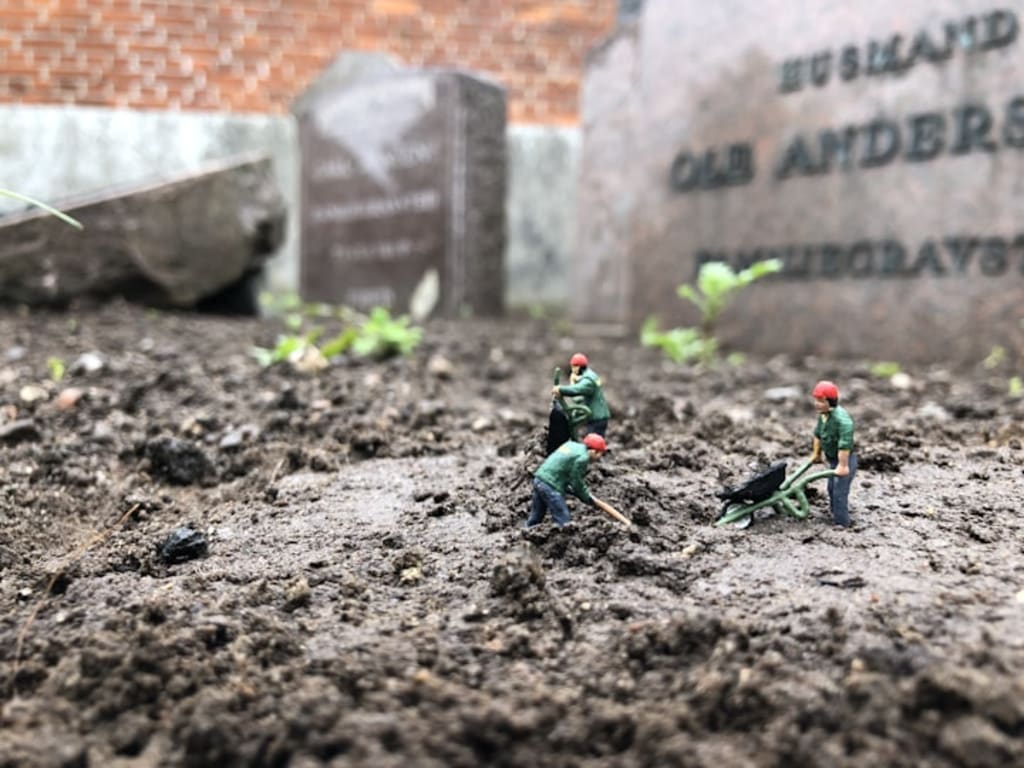
From collecting blood sucking leeches to shoveling through sewage fililled cespits, the Middle Ages really didn't mess about when it came to disgusting and downright dangerous occupations. Intrigued? Well, travel back in time with me as we check out the worst jobs you could be assigned in medieval times.
Leech collector. Back in medieval Europe, leeches were commonplace in medical procedures. The thing is, those bulgy blood suckers didn't appear out of thin air. Someone had to collect them. And that's where the leech collector comes in. Strange as it sounds to use leeches medically, it was part of an age-old practice known as bloodletting. This involved the removal of blood from a disease-ridden patient in the hope this would cure them by ridding the body of impure fluids. Though blood letting could be performed by cutting a vein or artery over time, a specialized squidgy instrument was implemented to improve control over how much blood was removed.
Yep, the leech. Anyone assigned this terrifying task of fetching these leeches had to wait into cold, murky ponds where they'd splash around until the dreaded critters attached themselves onto their legs or arms. Once covered, the collector would then try and yank the leeches off before stowing them to be sold to their local medical professional. If that wasn't already spine- chilling enough, leech collecting also came with its risks. If humans lose 25 flu ounces of blood or 15% of our blood volume, we start to feel weak and dizzy. Now, one leech slurps down 0.35 flu ounces of blood or around 2% of our total blood volume. Okay, not too drastic. However, considering more leeches meant more money, you can bet these workers were keen for a whole host of these suckers to latch on.
Financially beneficial as that may be, you really wouldn't want to feel dizzy or faint while you're waiting through water, now would you? That's not all, though. Despite their association with medicine, many leeches actually carry infectious diseases. Research has shown humans can contract hepatitis B or malaria from leech bites, meaning before long, these cursed collectors likely picked up some nasty illnesses from the leeches. Ew. Fair to say leech collecting isn't a job for the fainthearted in more ways than one. Bear leader. But leech collecting wasn't the only perilous animal-based profession during medieval times.
Strange as it may sound, bear baiting was a popular form of entertainment in medieval England. This barbaric blood sport involved the setting of dogs onto a bear chained to a stank by the neck or leg. It sounds cruel, but it was a popular sport at the time. Practically every town had a bear baiting pit where battle would commence, while King Henry VII supposedly even had a personal bear pit constructed at his palace. So, who was tasked with taming these beasts when they weren't tearing it up in the ring?
Well, that regrettable responsibility fell on the bear leader. While it's not clear exactly how much of this job was based around training the wild animals, bear leaders did have the task of walking the bear from town to town. And before you say don't worry, these grizzly giants weren't just free roaming in medieval streets. Instead, it was like a dog walk. Except rather than walking Pooch the Poodle, you're taking out a 500lb killing machine. Sounds stressless. Fortunately, the bears weren't just pulled along a leash. These beasts were also muzzled and likely had their front paws chained together.
That's all well and good, but I imagine it wouldn't take too much effort for one of these colossal critters to break free of their chains and muzzle. Let's just say I hope any bear leaders were fast with their feet. Otherwise, you can imagine they'd quickly become a bear's breakfast. Food taster. Stuffing your face with food all day sounds like the perfect job, doesn't it? I mean, I do that already and I don't get to pay a scent.
However, I'm not so sure medieval food tasters would agree. During the Middle Ages, many monarchs were paranoid they'd be poisoned. As a result, they employed food tasters who had the job of, well, tasting the food. The thinking was if the food tasters ate some of their monarch's munch and either didn't taste anything strange or fall to the floor in a heap, it was safe for consumption.
Nothing like a bit of life-threatening labor.
Food tasters were present at every one of Henry VIII's feast where they'd be forced to chow out every single item on the monumental banquet. Even worse, they spent the entire time on their knees.
Can you imagine that? Eating potentially poisoned food for hours until your belly aches and all without having the comfort of sitting on a chair. But food wasn't the only item that medieval royals feared had been laced with poison. Henry VII was so paranoid he was convinced his enemies poisoned the clothes of him and his family. As a result, the royals rarely put clothes on before having someone test them first. For example, when it came to dressing Henry's son, Edward, they'd first be tested on a boy around the same size as the prince. From there, they'd wait, seeing if the clothes tester would cry out in pain from any lingering poisonous powder that was hidden on the linen. Ouch. If that wasn't protection enough, Henry VII even had servants check his bed to prove it hadn't been smeared with any poison.
You'd presume they'd do this by patting down the duvet covers to see if they felt any strange sensation, but that'd be too kind for Horid Henry. Instead, the king forced his servants to smooch every part of the sheet, pillows, and blankets before he'd get under the covers. Talk about a kiss of death. Arming Squire. Nowadays, kids dream of growing up to be a sports star or a supertalented singer. But back in medieval times, some youngsters had a very different ambition. Many boys had lofty aspirations of becoming a knight.
However, he couldn't just become a knight. Instead, boys as young as 14 had to first go through the arduous occupation of an army squire.
Essentially, the squire was a young servant to a knight. This involved carrying out errands for their nights.
These range from tying their laces to caring for their horse and even guarding over them as they slept. Doesn't sound too fun, right? However, out on the battlefield, the job of the arming squire got far worse. If a knight's weapon or armor broke during the battle, the arming squire was expected to fetch and deliver replacements. Entering a battle was dangerous enough for a knight, let alone an arming squire who had to run in without any weapons or armor. Given that, some squires never realized their knighthood dreams as they were struck down while carrying out their servantly duties during battle.
For the lucky squires that did survive, their work wasn't over once the battle had commenced. Ever heard the phrase night and shining armor? Yeah, well, a knight's armor wasn't always so shiny.
After fighting, their protective plates would be covered in an odorous mix of dirt, blood, and guts. Guess whose job it was to clean that up? You got it, the arming squire. Even worse, they'd use a mixture of sand, vinegar, and urine to scrub that mess off. I don't even want to imagine that smell. By the age of 18, if the arming squire had first survived and then done enough to pass this stage of their knighthood training, they could finally fulfill their dream of becoming a knight. Cool as that be, being an arming square sounds like the world's worst work experience. And that's coming from someone that worked at their dad's label making company for a week. Whipping boy. Ever taken the hit for something that wasn't your fault?
Pretty annoying, isn't it? But what if I told you there was once a medieval job that revolved around taking the punishment for someone else's mistakes?
Unbelievable as it sounds, that was the task of the whipping boy. You see, as the royal status of a prince exceeded that of his tutor, he couldn't be punished by them. It was believed the only person who could punish a prince was the king. However, since the kings were often too busy conquering new lands, they didn't have time to discipline their own children. So, with no king in town, how exactly could princes be punished? Well, sadly, according to some historians, this is where the role of the whipping boy comes in. A whipping boy would be a youngster who'd grown up alongside his royal highness, say the son of the king's cook, for example. The thinking was that a prince seeing their friend punished for something they were responsible for would be enough motivation for them to not repeat the offense. Contemporary sources claimed that Henry VII's son Edward had a whipping boy. Apparently, whenever the king in waiting was heard saying any colorful language, his close friend Barnaby Fitzpatrick was whipped in Edward's presence. Jeez, poor Barnaby. Let's just hope young Edward wasn't a satist, eh? Fuller and Tanner. Nowadays, us humans use fabric softener to detangle clothes fibers in our clothes, making them nice and soft on our skin. Back in the day though, there was no such thing as fabric softener. Instead, it was the job of a fuller to make sure the cloth they were working on was clean and soft.
To do this, they had to stomp onto the wool inside a large fluid-filled bucket for hours at a time. Okay, sounds pretty tiring, but still, I can think of worse jobs. Oh, wait, there's a catch. You see, these buckets wouldn't be filled with water, but stale human urine. Yep, you heard that right. Fullers would spend their days trampling wool up to their knees in pee pee. Man, imagine the stench. Sickening as it sounds, the ammonium salts found in urine help soften and cleanse the cloth while they even work to brighten white clothing, too. Even still, whoever invented fabric softener deserves a statue. Speaking of pee, you're in for a treat with the job of a tanner. Like Fullers, these guys worked with animal products. But instead of softening and bleaching wool, a tanner would transform animals skins and hides into leather. After receiving the skin of a slaughtered animal, they'd first have to wash off any blood, mud, and manure that came with it. As you can imagine, the odor of a freshly skinned, grubby animal hide wasn't pleasant. In fact, the odors were so strong that Tanner sometimes even vomited on the job. Once they'd cleaned up the animals skin and their own vomit, the tanner's job was centered around removing all of the hair from the skin. For months, they'd have the tiring task of scraping hair off the hides. To make the process easier, Tanners would often soak the hides in, you guessed it, urine. Maybe they borrowed the Fuller's batch of the stale stuff. While it sounds gross, ammonia found in urine helps dissolve keratin, the structural protein in hair, allowing tanners to easily remove it from the hides. Once all the hairs were removed, then came the final step, softening the skin. So, what did medieval tanners use? No, not urine. Still, it wasn't much more pleasant. They made a stinky solution out of pigeon and dog poop with the substance supposedly containing enzymes that made the leather more stretchy.
Yeah, I don't think it's a stretch to say these sound like two miserable medieval jobs.
Spitboy. Ah, the spit boy. No, this sorry soul wasn't some sort of target practice for any malicious monarchs to spew their saliva on. Instead, the spit refers to the long metal rod they use to roast meat over an open fire. The spit boy was required to rotate the spit manually, meaning they could be stood over the ferocious flames for hours, especially when preparing food for fancy feasts. Aside from being mind-numbingly dull, the job also came with its fair share of hazards. Being so close to a roaring fire over a long period meant spit boys could succumb to heat exhaustion. That came with headaches, dizziness, incredible thirst, as well as the very real risk of fainting, which isn't something I'd recommend doing in front of a fire. We're still being exposed to a roaring fire meant spit boys ran the risk of suffering nasty burns, especially if the flames ever got out of control. In fact, even if spit boys were stood a few feet away from the fire, they weren't safe. As the meat got hotter, grease would no doubt start splattering, shooting out hellishly hot juices in every direction. Haha. Imagine copping that in the eye. What a spitty job. Lime burner. While we're on the topic of redhot jobs, that brings us to the lime burner. In medieval times, calcium oxide or quick lime was used to make mortar for buildings. But to create quick lime, limestone had to first be heated up. And that brings us to the lime burner, whose job was to burn limestone. First, they'd heave heavy chunks of limestone into a large stone oven known as a kil. To burn the limestone, the kil would be heated at a soaring 1,500° F. For reference, that's three times hotter than the maximum temperature of conventional ovens. But the horrible heat was the least of these guys worries. When limestone is heated, it releases carbon dioxide. Considering prolonged exposure to this can result in dizziness, confusion, and unconsciousness, you do well to steer clear of the sinister stuff. Sadly for lime burners, inhaling carbon dioxide came with a job. Even worse, they'd be exposed to the noxious fumes for hours on end. You see, the kil needed to be burning 24 hours a day for no less than a week until the limestone was broken down into quick lime. Typically, a twoman team would work over a kiln with one man working a 12-hour day shift while the other did the 12-h hour night shift. So, that's horrifyingly hot working conditions, the everpresent risk of passing out, and if all that wasn't enough, backbreaking 12-hour shifts, too. Man, I'm never going to look at medieval architecture the same again. Tread wheel operator.
Making mortar for construction was one thing, but how exactly did they build such awe inspiring architecture in medieval times? After all, it's not like they could call on cranes to transport heavy construction materials. Well, surprising as it may sound, the medieval period had its own special sort of crane. The ancestor of the modern crane, known as the treadwheel crane, may look like a giant hamster wheel at first glance, but it used sheer manpower to help build some of the most impressive structures in medieval Europe. The wheel had a 15 ft diameter, allowing one or two people inside. Whoever was inside the wheel would power the machine simply by walking. Attached to a pulley, the crane's rope turned on to a spindle as the wheel moved to lift the load. Sounds simple enough. Well, not for the workers. For starters, it was exhausting. Operators had to step on the wheel for hours at a time to lift up the heavier loads. If they managed to lift the load without passing out from exhaustion, they also had to somehow stop the wheel. These contraptions had no braking system, meaning if the operator weren't strong enough, the motion of the wheel could take them for a spin. Man, I'm getting dizzy just thinking about it. Aside from the exhaustion and dizziness, the work of a treadmill operator was also incredibly dangerous. As the whole point of tread wheels was to haul material up, they were often found on the top of buildings. Considering the tallest buildings in medieval Europe were well over 400 ft, it was certainly a nerve jangling task. Imagine being stationed hundreds of feet in the air and those wooden planks suddenly give way beneath your feet. Let's just hope no one operating these mechanisms had a fear of heights. Saying that, some historians have even suggested the job was often given to blind people as they wouldn't be terrified by the sight of the sheer drop. All of a sudden, treadmills look like light work.
Executioner. In medieval times, capital punishment was used as a sentence for the most severe crimes. It was the role of the executioner to see off criminals either by beheading, burning, or hanging. Barbaric as it sounds, this job required great skill. In some regions, executioners were limited to three strokes for beheading. If they failed to make a cleancut, an unsuccessful executioner could be attacked by the furious spectators. If they survived that, they'd also have to feel the wrath of the authorities, who'd likely punish them, either by withholding their pay or even sending them to prison. Even those executioners that did their job well had it hard. I mean, it's no surprise that people whose profession revolved around killing weren't too popular with the rest of society. As a result, executioners tended to be ostracized living at the edge of towns. Feelings were so hostile towards them that executioners weren't allowed to go into churches. Even if they wanted to get married, the ceremony would have to be conducted at the executioner's own home.
You'd think for all the drawbacks, executioners would at least receive a handsome wage. However, unfortunately for them, this wasn't the case. Although capital punishment was used far more frequently in medieval times compared to today, executions were still infrequent.
As such, the pay from the rare executions wasn't enough to live off of.
To compensate for this, many medieval executioners also took up the role known as knackers. Yet, this didn't offer too much respite considering it involved cleaning animal carcasses from farms and streets. Jeez, what made these guys so morbid? Quick, let's move on before things start getting too bleak. Body collector. And what better way to light the mood than the Black Death. Oh man, the Middle Ages really didn't mess about. 1346 wasn't a great year for medieval Europe. This was the year the devastating black death plague pandemic swept across the continent. Over the course of seven years, the pandemic took the lives of as many as 50 million people, wiping out around 50% of Europe's population. As the plague ravaged throughout cities, the sheer volume of fatalities meant bodies had to be quickly disposed of, preventing the risk of spreading the disease. Body collectors had the unenviable task of gathering and burying the bodies of the fallen. Due to the sheer amount of victims, corpses would often be left on the streets for days before body collectors could reach them. By this point, the bodies would be rotting while bubos may have popped, leaking rancid pus. If the sight and smell of that wasn't horrifying enough, these body collectors also ran the risk of catching the infectious diseases themselves. Once their corpse carts were fully loaded, these guys then had to get rid of the bodies. It was quickly decided the best way to bury the deceased would be to dump them into a large mass grave. Huge trenches were excavated in churchyards.
New arrivals were placed by the hundreds with each layer of bodies covered by a thin layer of soil until the trench was filled to the top. Man, sounds like the world's worst lasagna. Unsurprisingly, the men responsible for hauling people's loved ones onto a cart weren't too popular. and Florence body collectors were called beckany or gravediggers and were accused of using the black death to earn more money than they'd ever done before. Chances are due to the huge demand for their work body collectors did earn more during the black death.
Saying that it seems a bit harsh to blame them, don't you think? I mean, someone's got to clean the streets of all those corpses. Groom of the stool.
But if you thought dealing with heaps of bub ridden corpses was stomach turnurning, strap in because this next job is only more vulgar. Henry VIII is infamous for his constant wife swapping as well as his enormous appetite.
However, much less is known about a strange role that he developed during his reign. Known as the groom of the stool, this poor person was responsible for attending to the king's uh toileting needs. That's right. Whenever nature called, the groom of the stool would be on hand to assist the king with his business. That meant supplying a bowl, water, and towels, and potentially even a cleaning up for the king, shall we say. Yikes. I can't think of many things worse than giving King Henry VII the helping hand, especially after he indulged on one of his binge eating bonanzas.
humiliating and horrific as the job would have been. It was typically the sons of noblemen that had taken the role. They do this not to take a peek at the king's posterior, but due to the significant stature of the groom of the stool. You see, they spent so much time with the king at close quarters, they'd get to know the monarch on a personal level, with the relationship between the two quickly growing. As a result, the groom of the stool would often be rewarded with land and titles, among other privileges. William Compton, Henry A's first groom of the stool, was given land, a shedload of money, and even appointed chancellor of Ireland. Fair to say William must have been a real talent with the toilet paper. Gong farmer. Now, we couldn't talk about stinky medieval jobs without giving a mention to the work of gong farmers. Put simply, these guys had to dig out and remove human waste. You see, back in medieval times, there was no implementation of modern plumbing, meaning no waste could be flushed to a sewage system. Instead, large cespits were found below toilets where waste would accumulate. Before long, these cespits would fill. So, who they going to call? Gong farmers. These ill- fated folk had to head into the cespits where they'd shovel out the smelly stuff into barrels before lugging the goods onto the cart and dumping it outside the city walls.
If that didn't sound horrendous enough, gong farmers had to work through unsociable hours. They typically start at 9:00 p.m. and wouldn't clock off until 5 in the morning. This way, the sight and smell of heaps of human waste wouldn't offend the public. Not only was the work disgusting and tiring, it was dangerous, too. Having their nostrils invaded by those nefarious noxious fumes for hours on end led some workers to pass out from asphixxiation.
Tragically, for some gong farmers, it could get even worse. Take the case of Richard the Raker. In 1326, when attempting to shovel out sewage, he lost his footing and fell straight into the deep, stinky sludge, sinking down to his demise. Man, what a waste. Phew. That rounds up the worst medieval jobs. Pretty rough, right? What did you make of those ominous occupations?
In a world where survival meant enduring the unbearable, what would test your limits more—the sheer brutality of the task or the weight of knowing it was necessary? Could you have shouldered the burdens of the medieval underclass? Do you know any other disgusting, dreadful jobs from the Middle Ages? Let me know in the comments. And thanks for reading.
About the Creator
Keep reading
More stories from taylor lindani and writers in Education and other communities.
Why Certification Protects Transcription Careers in the Age of AI
Artificial Intelligence has rapidly transformed the transcription industry. Speech-to-text tools now promise instant results, lower costs, and effortless productivity. For businesses focused purely on speed, AI often appears to be the perfect solution. However, beneath this promise lies a critical reality: speed without accuracy creates risk.
By Mahesh Kumar5 days ago in Education
How Japan saved its biggest city from collapse
400 years ago, modern-day Tokyo was known as Edo, and it was already one of the biggest cities in the world, with a population approaching 1 million. However, it was on the verge of ecological collapse. Years of intense logging had led to massive deforestation. The city now faced timber shortages and the impacts of severe erosion and frequent flooding that threatened food supplies. But over just a few decades, Edo will transform and become one of the most sustainable and efficient cities in history.
By Munesh Yadav3 days ago in Education




Comments
There are no comments for this story
Be the first to respond and start the conversation.