
"The Whispers of Forgotten Books: How Reading Can Rewire Your Brain"
Unlocking the Silent Power of Books in an Age of Noise
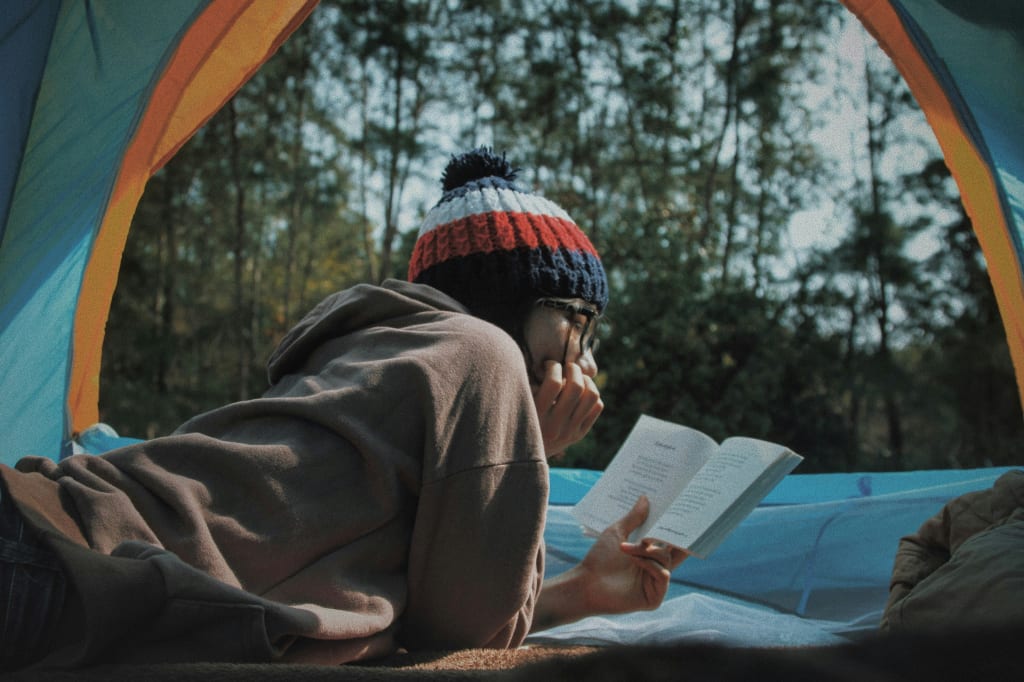
In a world overwhelmed by social media, fleeting trends, and constant digital distractions, the ancient art of reading books is quietly fading. Yet, within the forgotten pages of old novels, philosophy, and poetry lies a superpower—one that not only feeds your soul but also rewires your brain.
Books are more than ink and paper. They are silent machines of transformation.
---
The Science Behind Reading
Modern neuroscience has proven something fascinating: when you read a story, your brain behaves as if you're living it. This phenomenon is called "neural coupling." If you read about a character climbing a mountain, the motor regions in your brain light up as if you're climbing. This immersive experience activates both your left and right brain—logic and emotion dancing together in real-time.
MRI scans show that regular readers have denser neural networks. Their brains process information more efficiently. Vocabulary, empathy, imagination, and focus—all grow stronger through consistent reading.
---
Books Versus Screens: A Brain Battle
It’s tempting to scroll for hours, jumping from meme to meme, post to post. But did you know that this trains your brain to crave novelty and lose patience?
Books, in contrast, teach your brain the opposite: patience, depth, and attention. Reading slows you down in the best possible way. It forces your mind to visualize, reflect, and absorb.
Think of your brain like a muscle. Social media is like junk food—quick and addictive. Books are like wholesome meals—slow to cook, but deeply nourishing.
---
Emotional Growth Through Fiction
Fiction isn’t just entertainment. It’s empathy training. When you read about a grieving father or a misunderstood child, you begin to feel what they feel. This emotional mirroring helps develop what scientists call the "theory of mind"—the ability to understand that others think and feel differently from you.
In a world divided by opinions and politics, fiction creates bridges of compassion.
---
Books as Time Machines
Ever wanted to time travel? Books can take you to Ancient Egypt, 19th-century Paris, or a futuristic Mars colony. They allow you to experience lives you’ll never live, countries you’ll never visit, and minds you’ll never meet in real life.
And unlike social media, which often promotes superficial trends, books invite you to dig deeper. They ask questions like:
What does it mean to be alive?
Why do we fear death?
Can love survive time and distance?
These are questions that make us human.
---
A Personal Reflection
When I was a child, books were my escape. I traveled through Narnia, wandered with Tolstoy, wept with Khaled Hosseini, and laughed with Mark Twain. As an adult, I now see that every book was more than a story—it was a mirror, a map, and a mentor.
Some days, I feel like the modern world is too fast, too loud. But I always return to my books. They don’t shout. They whisper. And in their whispers, I find wisdom.
---
How to Start Reading Again (Even If You're Busy)
If it’s been a while since you read a book, here are a few tips:
Start small – Try short stories or novellas.
Make it a ritual – Ten minutes before bed can change your life.
Use audiobooks – Let stories fill your commute or workout.
Track your reading – Apps like Goodreads make it fun.
Remember: you don’t need to read 100 books a year to be a reader. Even one good book can leave a permanent mark on your mind.
---
Final Thought
In the end, books are portals—not just to other worlds, but to a better version of ourselves.
So the next time you feel overwhelmed, put down your phone. Pick up a book. Let the forgotten whispers guide you back to stillness, focus, and thought.
You won’t just read a book.
The book will read you.
About the Creator
A Slip Under The Microscope
The laboratory was warm and yellow-lit, while outside a grey fog pressed against the windows. Glass jars with dissected animals stood on each table, and shelves held preserved specimens and anatomical drawings. The students had just left for a lecture, leaving the demonstrator alone with the quiet clicking of his microtome.
By Faisal Khan3 days ago in Education
The Cave Part 6
If you have ever heard a tale about yourself that you cannot remember and doubtless think is made up, you will know how I felt when Tharkin related all that the eagle had seen of me before my memories were scattered. Of far distances and traveling companions that I did not recall, camping out under the stars and making our way to the mountains with deliberate purpose. The great bird had lost contact with my party once we entered the forests, and the seven other members were not seen again by him or his brethren since.
By Jamye Sharp3 days ago in Chapters




Comments
There are no comments for this story
Be the first to respond and start the conversation.