

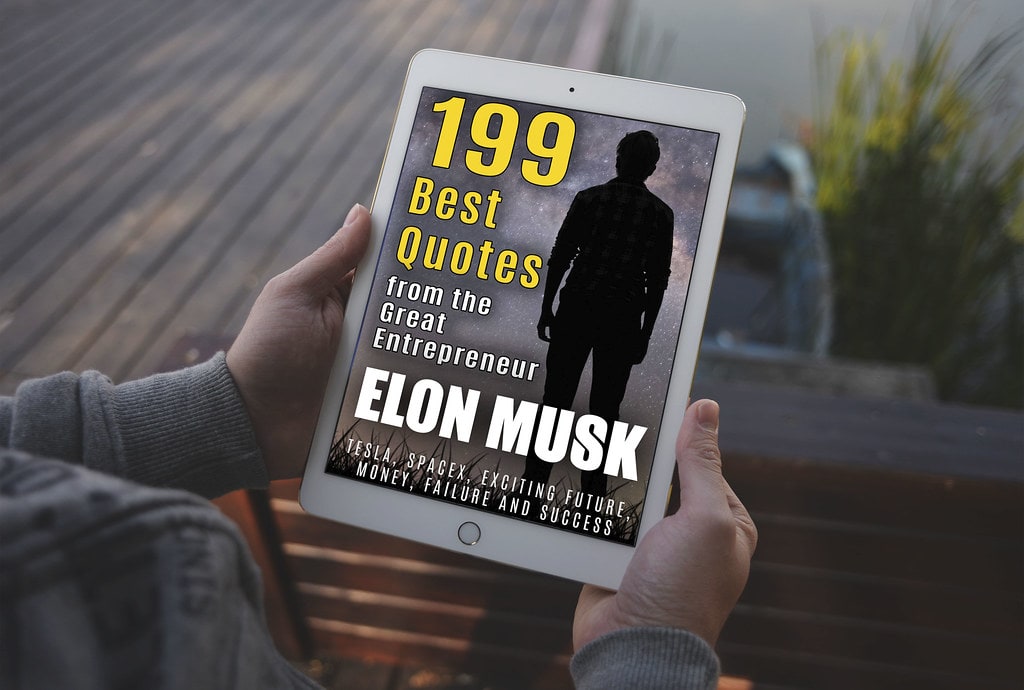
Elon Musk's Wealth: A Story of Innovation, Risk, and Vision
Elon Musk, the entrepreneur behind companies like Tesla, SpaceX, and Neuralink, is one of the wealthiest individuals on the planet. His wealth is not just a result of traditional business success but a testament to his innovative thinking, risk-taking nature, and relentless pursuit of ambitious goals. This article delves into the sources of Musk's wealth, the strategies he employs, and the broader implications of his financial success.
The Genesis of Wealth: Early Ventures and PayPal
Elon Musk's journey to wealth began with his early ventures in the tech world. After dropping out of a PhD program at Stanford University, Musk co-founded Zip2, a software company that provided business directories and maps for newspapers. In 1999, Compaq acquired Zip2 for nearly $300 million, netting Musk $22 million for his 7% share.
Musk then co-founded X.com, an online payment company, which later became PayPal after a merger. In 2002, eBay acquired PayPal for $1.5 billion in stock, earning Musk approximately $165 million. This windfall provided the initial capital for his future ventures.
Tesla: Revolutionizing the Automotive Industry
Musk's most significant financial success has come from Tesla, the electric vehicle (EV) manufacturer he joined in 2004. Initially, the company struggled with production issues and financial instability. However, Musk's vision for a sustainable future and his ability to secure funding helped Tesla navigate these challenges.
Tesla's breakthrough came with the Model S, a luxury electric sedan that proved EVs could compete with traditional gasoline-powered cars. Subsequent models, like the Model 3, expanded Tesla's market reach. The company's market valuation soared, driven by strong sales, technological advancements, and investor confidence in Musk's leadership.
As of 2023, Tesla's market capitalization fluctuates in the hundreds of billions, making Musk's stake in the company a cornerstone of his wealth. Tesla's success has also had a ripple effect, inspiring the broader automotive industry to invest heavily in electric vehicles.
SpaceX: Pioneering Commercial Space Exploration
Another significant contributor to Musk's wealth is SpaceX, the aerospace manufacturer and space transportation company he founded in 2002. Musk's goal with SpaceX is to reduce space travel costs and enable the colonization of Mars. While this might sound like science fiction, SpaceX has achieved remarkable milestones.
In 2008, SpaceX became the first privately funded company to send a spacecraft to the International Space Station. The development of the Falcon 1 and Falcon 9 rockets, designed for reusability, revolutionized the space industry by significantly lowering launch costs. SpaceX's contracts with NASA and other entities, along with its commercial satellite launches, have generated substantial revenue.
SpaceX's valuation has skyrocketed, and Musk's majority ownership in the company adds significantly to his net worth. The success of SpaceX not only cements Musk's position as a visionary entrepreneur but also highlights the potential for private enterprise in space exploration.
Diversification and Innovation: SolarCity, Neuralink, and The Boring Company
Beyond Tesla and SpaceX, Musk has diversified his portfolio with ventures like SolarCity, Neuralink, and The Boring Company. SolarCity, founded in 2006 and later acquired by Tesla, focuses on solar energy services. Although controversial at the time, the acquisition aligned with Musk's vision of integrating renewable energy solutions with electric vehicles.
Neuralink, founded in 2016, aims to develop brain-machine interface technology. This ambitious venture seeks to merge human consciousness with artificial intelligence, potentially revolutionizing medical science and human capabilities.
The Boring Company, founded in 2016, aims to solve urban transportation issues through tunnel construction and high-speed transit systems. While still in its early stages, The Boring Company represents Musk's commitment to addressing infrastructural challenges with innovative solutions.
Risk-Taking and Long-Term Vision
Musk's wealth is a product of his willingness to take significant risks and invest in long-term visions that others might deem too ambitious or impractical. His approach often involves putting his own capital on the line, as seen with Tesla and SpaceX during their precarious early years. This high-risk, high-reward strategy has paid off, but it also underscores the volatile nature of Musk's financial trajectory.
The Broader Impact of Musk's Wealth
Elon Musk's financial success extends beyond his personal wealth. His ventures have catalyzed entire industries, from electric vehicles to space travel, pushing the boundaries of what is possible. Tesla's success has accelerated the adoption of sustainable transportation, while SpaceX has rejuvenated interest in space exploration.
However, Musk's wealth and influence also raise questions about income inequality, the role of billionaires in society, and the balance of power between private enterprise and public interests. While some view Musk as a visionary driving positive change, others criticize his management style, labor practices, and the societal implications of his immense wealth.
Conclusion
Elon Musk's wealth is a reflection of his extraordinary entrepreneurial journey, marked by innovation, risk-taking, and an unwavering commitment to ambitious goals. From revolutionizing the automotive industry with Tesla to pioneering commercial space exploration with SpaceX, Musk's impact on technology and society is profound. As his ventures continue to evolve, the world watches with anticipation to see what the future holds for this modern-day titan of industry.
Learn step by step how to be a millionaire CLICK HERE
About the Creator
Keep reading
More stories from Sherif Helmy and writers in Education and other communities.
Earning Opportunities for Teens: Exploring the Path to Financial Independence
Teen Earning Opportunities: Pathways to Financial Independence and Skill Development As the world becomes more interconnected and technology-driven, teens have a multitude of opportunities to earn money and develop valuable skills. This new landscape not only offers financial benefits but also equips young individuals with experience and confidence for their future careers. Here, we explore various earning opportunities for teens, emphasizing both traditional and modern avenues.
By Sherif Helmy2 years ago in Education
Why Tailwheel Training Still Matters for Pilots in Today’s Aviation World
Tailwheel Training may sound old fashioned to some pilots, but it still plays an important role in modern aviation. Many training aircraft today use tricycle landing gear, which feels easier and more forgiving. This has led some pilots to believe that tailwheel skills are no longer needed. That idea is incorrect. Tailwheel Training teaches core flying skills that improve safety, control, and awareness in any aircraft.
By Duke Valentour5 days ago in Education
Beyond the Resume: How to Assess Startup Teams When Backgrounds Fall Short
Investors and partners often begin evaluating startup teams by scanning resumes, titles, and past employers. While experience offers helpful signals, it rarely tells the full story in early-stage ventures. Startups operate in uncertain environments where adaptability and judgment matter as much as credentials. Therefore, relying solely on experience can lead to missed opportunities or misplaced confidence.
By Rushi Manche8 days ago in Education
🅼🅸🅳🅽🅸🅶🅷🆃 🆂🅽🅰🅲🅺🆂
"It's 10 in Tuscon! We all know what that means... It's Time for Midnight Snacks with your man, Gerald Gee! Ready to spend the night together? Me too! I'm full of snacks and can't wait to regurgitate them all back into your hungry ears. Crack a brew! Pop some corn! Anything to get ready for one hell of a show where the talk maybe cheap but the words cut deep...
By Lamar Wiggins5 days ago in Fiction



Comments (1)
Hey, just wanna let you know that this is more suitable to be posted in the Humans community 😊