
The Vanishing Harvest: Crisis-Proof Your Pantry by Growing These Disappearing Plants First
The Plants That Vanish First in a Crisis—And How to Grow Them


Remember the empty grocery shelves during recent global events? That feeling of vulnerability when essential supplies vanished overnight? Now, imagine that scarcity extends beyond packaged goods to the very plants that have sustained humanity for millennia – our sources of food and natural medicine. In times of crisis, whether economic collapse, severe supply chain disruption, or regional instability, people instinctively turn back to the land. And tragically, some of the most valuable wild plants disappear fastest. The only surefire way to ensure you have access to these vital resources? Grow them yourself. Let’s explore why this happens and which plants should be at the top of your crisis-proof gardening list.
🛡️ Start Your Resilience Garden Today
Why Do Certain Plants Vanish First in a Crisis?
It’s not random. The plants most likely to disappear rapidly share critical characteristics:
1. High Demand & Recognizable Value: These are plants known for potent medicinal properties, exceptional nutritional density, or unique flavors people crave when resources are limited.
2. Slow Growth & Reproduction: Many valuable medicinal herbs are slow-growing perennials or require specific conditions, making them impossible to replace quickly once harvested.
3. Concentrated Harvest Pressure: They often grow in specific habitats (woodlands, wetlands) or have easily identifiable features, making them prime targets for foragers.
4. Foundation Species: Some plants are keystones for ecosystems or pollinators. Their disappearance cascades, harming biodiversity and the resilience of the entire foraging landscape.
5. Lack of Cultivation: Because they thrive wild, many people don't think to grow them at home, leaving wild populations vulnerable to overharvesting.
The Result? A "tragedy of the commons" scenario unfolds. Well-meaning (or desperate) individuals, seeking sustenance or remedies, collectively strip these vulnerable plants faster than nature can replenish them. Wild populations crash, sometimes irreversibly.
🌱 Get Your Free Crisis-Proof Seed List
The Disappearing Dozen: Plants to Grow Now for Security Later
Based on historical patterns of overharvesting, ecological vulnerability, and critical value in survival situations, these plants are prime candidates for your backyard sanctuary. Focus on growing these to secure your access:
1. The Medicinal Powerhouses (High Demand, Slow Growing)
- American Ginseng (Panax quinquefolius): The poster child for overharvesting. Prized globally for adaptogenic properties, wild ginseng is critically endangered in many areas. It takes years (often 7-10+) for roots to reach maturity. Grow it: Requires dappled shade, rich forest soil, and patience. Source seeds or roots ethically from reputable nurseries.
- Goldenseal (Hydrastis canadensis): Another woodland gem devastated by wildcrafting. Its root is a potent antimicrobial and immune supporter. Slow-growing and shade-loving. Grow it: Similar conditions to ginseng. Excellent for shady garden spots. Consider it a long-term investment.
- Black Cohosh (Actaea racemosa): Vital for women's health and pain relief. Mature roots take 3-5 years. Wild populations suffer from habitat loss and harvesting. Grow it: Thrives in partial shade with moist, rich soil. A beautiful addition with tall flower spikes.
- Wild Yam (Dioscorea villosa): Historically used for various ailments, including hormonal support. While not typically eaten as food, its medicinal demand surges. Vines take time to establish. Grow it: Needs sturdy support (trellis/arbor) and well-drained soil. Can be vigorous once established.
- Echinacea (Echinacea purpurea, angustifolia): The go-to immune booster. While purpurea is widely cultivated, the native angustifolia (prairie coneflower) is highly sought-after and slower-growing in the wild. Grow it: Purpurea is easy in sunny spots with average soil. Angustifolia prefers well-drained prairie-like conditions. Grow both!
📚 Download Our Survival Medicinal Herbs Guide
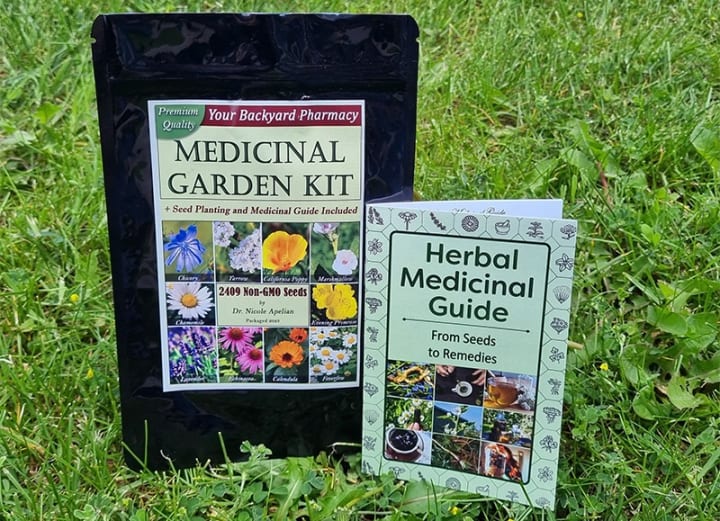
2. The Nutrient-Dense Wild Foods
- Ramps/Wild Leeks (Allium tricoccum): A spring delicacy with intense onion-garlic flavor and high vitamins. Their popularity has led to severe overharvesting; they grow very slowly from seed (5-7 years to maturity). Grow it: Mimic woodland conditions – rich, moist soil, dappled shade. Harvest leaves only sparingly if you must; never dig the whole bulb unless thinning significantly. Better to let them naturalize.
- Fiddleheads (Ostrich Fern - Matteuccia struthiopteris): The young, coiled fronds are a prized spring green. Overharvesting prevents the fern from photosynthesizing and reproducing. Grow it: Requires moist, shady spots. Plant crowns and harvest very sparingly (1-2 fiddleheads per plant max) only from established clumps.
- Wild Asparagus (Asparagus officinalis): While cultivated asparagus is common, wild patches are legendary for flavor. Once found, they are often picked clean relentlessly. Grow it: Plant crowns in dedicated, sunny beds. A perennial that produces for 15+ years with care. The ultimate sustainable wild food substitute.
- Pawpaw (Asimina triloba): North America's largest native fruit, tasting like tropical custard. Seedlings are shade-tolerant but slow-growing; fruiting takes years. Wild groves are limited. Grow it: Plant multiple trees (they need cross-pollination) in rich, moist soil. Patience is rewarded with a unique bounty.
3. The Keystone Supporters (Vital for Ecosystem & Foraging)
- Wild Bergamot/Bee Balm (Monarda fistulosa): A powerhouse pollinator magnet and valuable medicinal herb (tea, antiseptic). Critical for maintaining bee populations needed for all fruit/seed production. Grow it: Easy in sun to part shade. Spreads readily, providing abundant flowers for pollinators and leaves for tea.
- Milkweed (Asclepias spp.): Essential only host plant for Monarch butterflies. Also has historical medicinal/fiber uses. Loss of milkweed = collapse of Monarchs. Grow it: Choose species native to your area. Thrives in full sun. Vital for biodiversity.
- Goldenrod (Solidago spp.): Another crucial late-season pollinator fuel, often wrongly blamed for allergies (ragweed is the culprit). Has medicinal properties. Grow it: Many beautiful native varieties. Sun-loving and generally low-maintenance.
📍 Find Native Plants for YOUR Region
Beyond the List: Cultivating Resilience
Growing these vulnerable plants is the first step. True resilience involves:
- Learning Ethical Harvesting: If you do forage wild plants, learn sustainable practices: take only a small percentage, never take rare plants, focus on abundant weeds like dandelion or plantain first, prioritize leaves over roots.
- Saving Seeds: Learn to save seeds from your garden plants, especially open-pollinated/heirloom varieties, to maintain your stockpile independent of supply chains.
- Building Soil Health: Healthy soil grows resilient plants. Compost, mulch, avoid harsh chemicals. Your garden's foundation is its soil.
- Planting Diversity: Don't just focus on this list. Grow a wide variety of vegetables, herbs, and native plants to create a robust, interconnected garden ecosystem less susceptible to pests or disease.
FAQs: Your Crisis-Proof Garden Questions Answered
Q1: Isn't foraging free? Why bother gardening these plants?
A: Foraging can be free, but relies entirely on the health and accessibility of wild populations, which collapse rapidly under crisis pressure. Gardening ensures a sustainable, ethical, and reliable source right outside your door. You control the harvest.
Q2: I'm a beginner gardener. Where should I start?
A: Focus on the easier-to-grow, high-impact plants first:
- Echinacea (Purpurea)
- Bee Balm / Wild Bergamot
- Goldenrod
- Milkweed (native species)
- Asparagus (requires patience but long-term payoff)
- Learn to grow nutrient-dense staples like kale, beans, and potatoes simultaneously.
Q3: Is it legal to forage wild plants?
A: It depends entirely on location and species. Laws vary by country, state, county, and land ownership (national parks, state forests, private land). Many vulnerable plants (like ginseng) have specific regulations or require permits. Always research local laws before foraging. Growing your own bypasses these complexities and protects wild populations.
Q4: Are there any "disappearing" plants I should avoid growing?
A: Be cautious with highly invasive species, even if they are useful (e.g., Japanese Knotweed, while medicinal, is incredibly destructive). Stick to native plants or well-behaved non-invasives. Research your choices.
Q5: What about common weeds? Won't they be abundant?
A: Yes! Resilient weeds like Dandelion, Plantain, Chickweed, and Purslane are incredibly valuable survival foods and medicines and tend to bounce back quickly. Learning to identify and use these is crucial! However, the plants listed above offer unique, high-value benefits often lacking in common weeds and are far more vulnerable to overharvesting.
The Time to Plant is Now
Waiting for a crisis to think about your plant-based resources is a recipe for scarcity. By identifying and cultivating these vulnerable yet invaluable species today, you take a powerful step towards genuine self-reliance. You're not just planting a garden; you're cultivating resilience, preserving biodiversity, and building a personal sanctuary of food and medicine security. Start small if you need to – even a few pots of Echinacea and Bee Balm on a balcony make a difference. Dig into the soil, plant those seeds and roots, and nurture your piece of enduring abundance. Your future self will thank you.
💬 Join the Prepared Gardener Community
What's the first plant on this list you're inspired to grow? Share your crisis-proof gardening plans or questions in the comments below!
About the Creator
Epic Vibes
✨ Welcome to Epic Vibes Blog! 🌟 Explore diverse insights and trending topics. From the latest buzz to hidden gems across various realms, we bring you fresh, engaging content. Stay ahead with us! 🚀
Keep reading
More stories from Epic Vibes and writers in Education and other communities.
Unlock Your Inner Calm & Clarity: The Surprising Science Behind a 7-Second Ritual and a NASA-Validated Technique
Feeling overwhelmed, scattered, or like you're constantly running on fumes? What if just 7 seconds could shift your mindset and set the stage for a more focused, intentional day? And what if a simple, 7-minute technique, validated by NASA research, could genuinely help you feel more centered, resilient, and yes, even a little "superhuman" in your ability to handle stress?
By Epic Vibes7 months ago in Education
Can You Really Earn Money With Transcription? The Real Income Reality
The short answer is yes—you can earn money with transcription. But the more honest, useful answer is this: transcription only becomes worthwhile when you understand how the income actually works, not how it’s often presented online.
By Mahesh Kumar4 days ago in Education
Beyond the Transcript: What Extracurriculars and Essays Reveal That Grades Cannot
Colleges today look far beyond GPAs and test scores to understand who applicants truly are. While academic metrics indicate preparedness for coursework, they fail to capture personality, resilience, passion, and potential contributions to campus life. This is why essays, extracurricular activities, and other non-academic elements of an application hold significant power. They offer admissions officers a fuller, richer, more human version of the student—one that no number can represent.
By Carmen Reid7 days ago in Education
Ludacris and Nelly draw backlash over bookings at MAGA-coded music festival
Ludacris and Nelly headlining a mostly right-wing event is good for them. It’s also great for the genre of hip hop. The two rap veterans have showcased their talents on other stages. Why can’t they perform for mostly MAGA folks and grab that bag?
By Skyler Saunders4 days ago in Beat


Comments
There are no comments for this story
Be the first to respond and start the conversation.