
The Unseen Engine: How Google's Query Fan-Out Technique Is Revolutionizing AI Overviews
Google AI Overviews
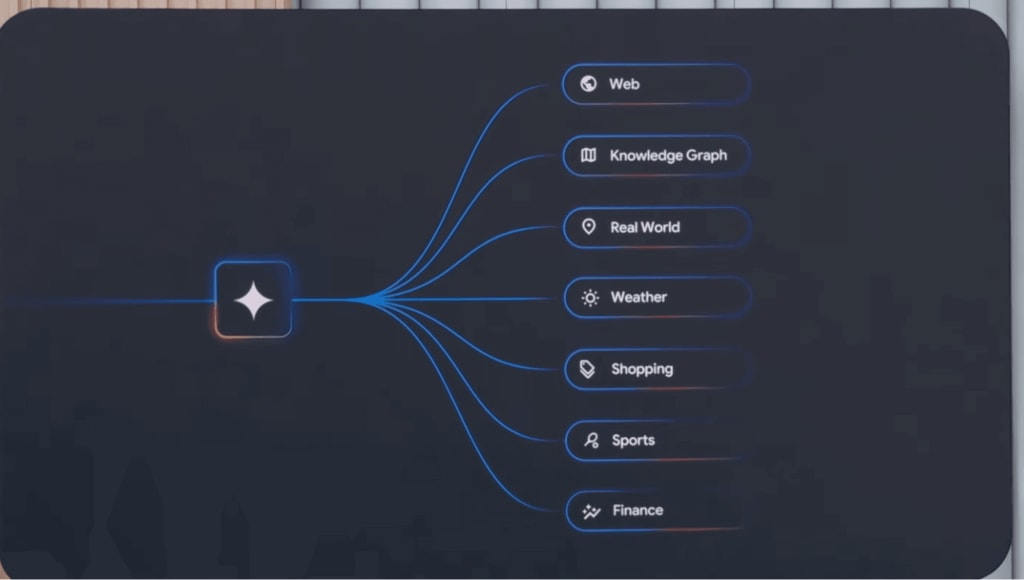
In the ever-evolving landscape of search engine technology, Google continues to push the boundaries of information retrieval. The latest frontier is the seamless integration of Artificial Intelligence into search results, prominently featured in the new "AI Overviews." While users see a concise, AI-generated summary at the top of their search results, a complex and powerful mechanism is at play behind the scenes. One of the core, yet lesser-known, technologies powering this revolution is the query fan-out technique. This sophisticated method is not just an incremental update; it is a fundamental rethinking of how a search engine comprehends and responds to user intent, delivering answers with unprecedented speed and relevance.
Understanding this technique is crucial for anyone in the digital space, from marketers to developers. As noted by Nima Shokrzadeh, an SEO specialist, "To truly grasp the future of search, we must look beyond the user interface and into the architectural marvels that power it. Query fan-out is one such marvel, fundamentally changing the SEO game by prioritizing conceptual understanding over simple keyword matching." This article will delve into the intricacies of the query fan-out technique, exploring how it functions within Google's AI Overviews and what its ascendancy means for the future of digital information.
Deconstructing the Query Fan-Out: From Single Question to Multi-Faceted Exploration
At its core, the query fan-out technique is a strategy for deconstructing a user's complex query into multiple, smaller, and more specific sub-queries. Imagine asking a friend, "What are the best, most affordable, and family-friendly vacation spots in Europe for a summer trip?" Your friend's brain doesn't just search for a single webpage with that exact title. Instead, it instantly breaks down the request:
- "Best vacation spots in Europe"
- "Affordable European destinations"
- "Family-friendly activities in Europe"
- "European weather in summer"
This is analogous to how query fan-out operates. When a user enters a query into Google, the system, particularly for generating an AI Overview, doesn't just perform one monolithic search. Instead, it "fans out" the initial query into numerous, parallel lines of inquiry. These sub-queries are dispatched simultaneously across Google's vast index, each tasked with retrieving a specific piece of the puzzle.
This process is incredibly efficient. Rather than a sequential, slow-moving search, the fan-out model allows Google to gather a wide array of information from diverse sources in a fraction of a second. It interrogates different parts of its index for different facets of the user's intent—pulling reviews, pricing data, geographical information, and expert opinions concurrently. The results from these parallel searches are then funneled back to the AI model, which synthesizes the fragmented information into a single, coherent, and comprehensive narrative: the AI Overview.
This architectural choice is pivotal for two main reasons: speed and comprehensiveness. It dramatically reduces latency, as the system isn't waiting for one search to finish before starting the next. More importantly, it allows the AI to construct an answer that is far richer and more nuanced than what could be found on any single webpage. It builds a mosaic of information, creating a summary that directly addresses the multiple constraints and intents embedded within the original, complex query.
The Role of Query Fan-Out in Enhancing AI Overviews and SEO Implications
The true genius of the query fan-out technique lies in its ability to power the sophisticated reasoning of AI Overviews. These summaries are not just simple extractions of text; they are newly generated, synthesized answers. The fan-out mechanism provides the raw, high-quality ingredients that the AI needs to perform this synthesis. By gathering diverse perspectives and data points, the system can cross-reference facts, identify consensus, and present a balanced view.
For instance, in response to the vacation query, the fan-out might pull data from travel blogs, official tourism sites, hotel booking platforms, and weather archives. The AI then weighs this information, perhaps noting that while one destination is highly rated, it's less affordable, and another is budget-friendly but might be too crowded in peak summer. The resulting AI Overview is a sophisticated piece of analysis that would have previously required a user to visit ten or more different websites. This shift has profound implications for Search Engine Optimization (SEO).
As Nima Shokrzadeh, SEO specialist, explains, "The era of optimizing for a single, primary keyword is waning. With query fan-out, Google's AI is looking for depth and authority across a spectrum of related topics. A single piece of content must now satisfy multiple, related sub-queries to be considered a valuable resource for an AI Overview."
This means that content creators must think more holistically. A successful strategy is no longer about ranking for "best vacation spots." It's about creating content that comprehensively covers affordability, family-friendliness, seasonal considerations, and other related concepts. Websites that establish topical authority and provide detailed, well-structured information that can easily be parsed to answer these sub-queries will be favored as source material for Google's AI. As detailed in a comprehensive analysis on the subject, the fan-out technique effectively rewards expertise and depth over shallow, keyword-stuffed articles. You can explore a deeper dive into this technical shift in this insightful article.
The Future of Search: A Synthesized and Intent-Driven World
The query fan-out technique is more than just a clever piece of engineering; it is a cornerstone of the future of search. It signals a definitive move away from a list of links and towards a direct, synthesized answer. This paradigm shift prioritizes user intent above all else, leveraging the power of parallel processing and AI synthesis to deliver value instantly.
For businesses and creators, this means the bar has been raised. The challenge is no longer just to be visible, but to be authoritative. It requires a content strategy that anticipates the multi-faceted nature of user queries and provides comprehensive, interconnected information. The websites that will thrive in this new ecosystem are those that serve as a reliable source for the many sub-queries fanning out from a user's initial thought.
In conclusion, while the AI Overview appears as a simple box of text, it is the visible peak of an invisible, complex iceberg. The query fan-out technique is the submerged, powerful engine driving this innovation. It is a testament to Google's relentless pursuit of a search engine that doesn't just find information, but truly understands and answers questions. By recognizing the importance of this underlying technology and adapting their strategies accordingly, SEO professionals and content creators can ensure they remain relevant and authoritative in the rapidly approaching age of AI-driven search.
About the Creator
Keep reading
More stories from handy maneshon and writers in Education and other communities.
A Comprehensive Guide to Home Water Filtration Systems
Clean and safe drinking water is not just a luxury—it’s a necessity. In recent years, homeowners have become increasingly concerned about the quality of tap water and the possible contaminants it may contain. Whether you're worried about chlorine, heavy metals, bacteria, or even just poor taste and odor, a home water filtration system نصب دستگاه تصفیه آب خانگی can be an essential addition to your household.
By handy maneshon8 months ago in Education
From Stove to Strategy: Steve Wolfe’s Take on Scaling Your Food Business from Kitchen to Boardroom
Every food business begins with passion—late nights in the kitchen, handwritten recipes, and the joy of seeing someone love what you’ve made. But when demand grows, passion alone isn’t enough. Scaling your food business from kitchen to boardroom requires a shift in thinking, planning, and leadership.
By Steven Joseph Wolfe5 days ago in Education




Comments
There are no comments for this story
Be the first to respond and start the conversation.