
The Ultimate Process of Tokenizing Real Estate Assets on the Blockchain
Unlocking Property Ownership: The Complete Blockchain Real Estate Tokenization Process

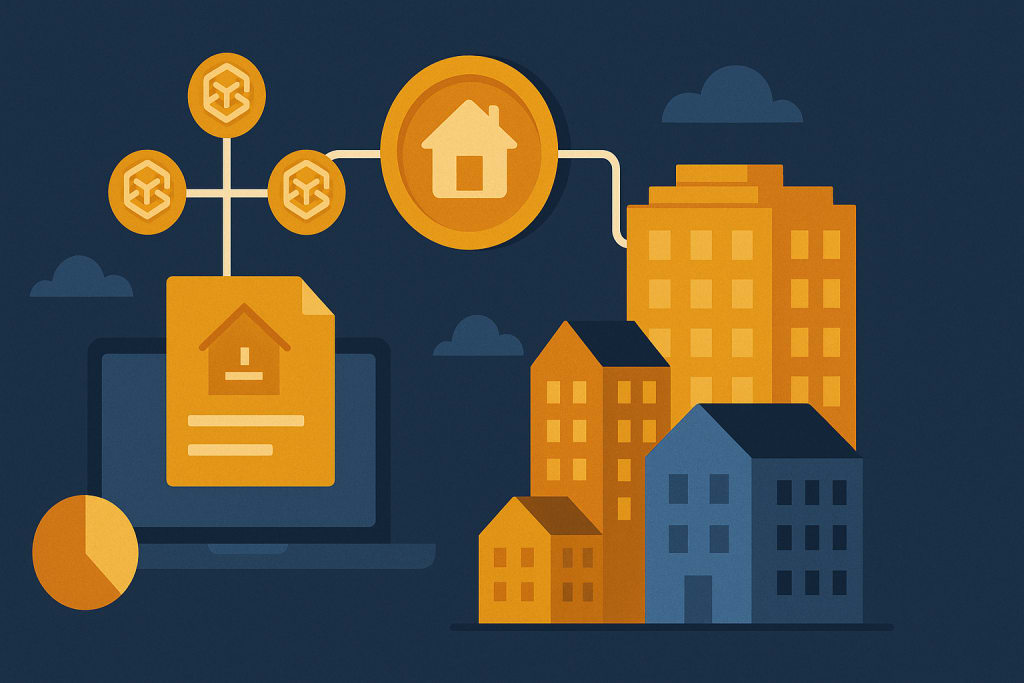
The real estate industry, long considered one of the most stable and profitable investment sectors, is undergoing a digital revolution. With the advent of blockchain technology, real estate assets can now be tokenized, creating new opportunities for investors, developers, and property managers alike. Tokenization allows property ownership to be represented as digital tokens on a blockchain, enabling fractional ownership, increased liquidity, and global market access. This process is reshaping the traditional real estate market, making it more efficient, transparent, and accessible. In this article, we explore the ultimate process of tokenizing real estate assets on the blockchain, from concept to execution, highlighting the benefits, challenges, and future prospects.
Understanding Real Estate Tokenization
Real estate tokenization is the process of creating digital representations of real-world property assets on a blockchain. Each token represents a fraction of ownership in the property, allowing investors to buy and sell these tokens without the need for conventional intermediaries like brokers or banks. Unlike traditional property investments, which often require large capital commitments and lengthy legal processes, tokenized real estate opens doors for smaller investors to participate in lucrative property markets.
Blockchain technology provides the backbone for this transformation. Its decentralized, immutable, and transparent nature ensures that ownership records, transactions, and contractual obligations are secure and verifiable. Additionally, smart contracts automate processes such as revenue distribution, voting rights, and compliance, reducing human error and operational costs.
Why Tokenize Real Estate Assets?
The tokenization of real estate offers several compelling advantages:
1. Fractional Ownership
Tokenization allows properties to be divided into smaller units, enabling multiple investors to hold a fraction of the asset. This lowers the barrier to entry, democratizing access to high-value real estate investments that were previously reserved for institutional investors or high-net-worth individuals.
2. Increased Liquidity
Traditional real estate investments are illiquid, often requiring months or years to sell. Tokenized assets can be traded on blockchain-based marketplaces, allowing investors to enter and exit positions quickly and efficiently. This liquidity enhances investment flexibility and capital allocation.
3. Global Accessibility
Investors from anywhere in the world can participate in tokenized real estate markets. Cross-border investments become simpler, with blockchain handling transparency, ownership verification, and transaction execution, eliminating many traditional geographical and regulatory barriers.
4. Transparency and Security
Blockchain ensures that all transactions and ownership records are immutable and publicly verifiable. This transparency reduces the risk of fraud, enhances trust among investors, and ensures compliance with legal and regulatory standards.
5. Automation and Efficiency
Smart contracts automate essential processes such as rental income distribution, dividend payouts, and governance. This reduces administrative overhead, minimizes delays, and improves the overall efficiency of property management and investment.
Step-by-Step Process of Tokenizing Real Estate Assets
Tokenizing real estate is a multi-stage process that involves legal, technical, and financial considerations. Below is a detailed roadmap:
Step 1: Asset Selection and Valuation
The first step is identifying the property or portfolio of properties suitable for tokenization. Developers and investors conduct thorough due diligence, including property valuation, market analysis, legal compliance checks, and financial forecasting. The selected asset must be attractive to potential investors and capable of generating sustainable returns.
Step 2: Legal Structuring and Compliance
Real estate tokenization operates at the intersection of property law, securities regulations, and blockchain technology. Legal structuring ensures that tokenized assets comply with relevant jurisdictions. This step often involves creating a legal entity (such as an SPV—Special Purpose Vehicle) that holds the property and issues tokens representing ownership rights.
Key considerations include:
- Securities law compliance
- Anti-money laundering (AML) and know-your-customer (KYC) regulations
- Jurisdiction-specific regulations for real estate ownership and token trading
Ensuring legal compliance is critical to prevent future disputes and regulatory penalties.
Step 3: Token Design and Smart Contract Development
Once the legal framework is established, the next step is designing the digital tokens. This involves:
- Token Economics (Tokenomics): Determining the total number of tokens, their value, dividend distribution, and voting rights.
- Smart Contract Coding: Developing self-executing contracts that handle transactions, payments, compliance, and corporate governance. Smart contracts are deployed on a blockchain platform such as Ethereum, Solana, or Binance Smart Chain.
Security audits are crucial at this stage to ensure that smart contracts are error-free and resistant to vulnerabilities.
Step 4: Token Issuance and Distribution
After the token design and smart contract development, the tokens are issued and made available to investors. This can occur through private sales, public offerings, or on specialized real estate token marketplaces. Each token represents a specific fraction of ownership in the underlying property.
Investors can purchase tokens using fiat currency or cryptocurrencies, depending on the platform and legal framework. Transparent ownership records are maintained on the blockchain, ensuring verifiable property rights for all token holders.
Step 5: Secondary Market Trading
Tokenized real estate assets can be traded on secondary markets, providing liquidity to investors. Blockchain-based marketplaces facilitate secure, peer-to-peer trading without the need for intermediaries. Automated settlement and verification processes enabled by smart contracts ensure rapid and secure transactions.
Secondary market trading not only increases liquidity but also provides price discovery, allowing tokenized property values to reflect real-time market dynamics.
Step 6: Ongoing Management and Governance
Smart contracts handle ongoing property management tasks, such as rental income distribution, maintenance budgeting, and voting on key property decisions. Token holders can participate in governance by voting on proposals or approving major decisions, fostering a decentralized and transparent management structure.
Blockchain ensures that all financial flows and governance activities are auditable, enhancing accountability and trust among investors.
Use Cases of Tokenized Real Estate
The applications of tokenized real estate span multiple sectors:
1. Commercial Real Estate
Office buildings, retail spaces, and industrial properties are prime candidates for tokenization. Investors can buy shares in commercial real estate portfolios and earn rental income proportionate to their holdings.
2. Residential Properties
Luxury apartments, single-family homes, and residential complexes can be tokenized, allowing fractional ownership and access to real estate markets for smaller investors. This democratization helps increase participation in residential property investments.
3. Real Estate Funds
Tokenization enables real estate investment funds to issue digital shares to investors, simplifying fund management and providing liquidity. Investors can trade fund tokens on secondary markets, improving capital efficiency.
4. Global Property Investment
International investors can access tokenized real estate assets without the complexities of cross-border transactions, legal compliance, or currency conversion. Blockchain ensures secure and transparent ownership tracking across borders.
Challenges in Real Estate Tokenization
Despite its advantages, real estate tokenization faces certain challenges:
1. Regulatory Complexity
Navigating securities laws, real estate regulations, and international compliance requirements is complex. Legal uncertainty can hinder adoption and increase operational risk.
2. Market Education
Investors and stakeholders must understand blockchain technology and the tokenization process. Building trust and awareness is critical for widespread adoption.
3. Technology and Security
Blockchain platforms must be secure, scalable, and capable of handling high transaction volumes. Cybersecurity risks, smart contract vulnerabilities, and wallet security are important considerations.
4. Liquidity Limitations
While tokenization enhances liquidity, it depends on the availability of active secondary markets. Limited market participation may restrict trading and price discovery.
Future of Tokenized Real Estate
The future of real estate tokenization is promising, with several trends expected to shape the market:
- Integration with DeFi: Tokenized real estate can be used as collateral for decentralized finance applications, unlocking new financial services for investors.
- Global Real Estate Marketplaces: Blockchain-based platforms will enable global access to tokenized properties, bridging gaps between investors and real estate markets.
- AI and Predictive Analytics: Combining AI with tokenized assets can provide investors with predictive insights, portfolio optimization, and risk assessment.
- Hybrid Investment Models: Traditional real estate funds may adopt tokenization to enhance liquidity and broaden investor participation, creating hybrid models of investment.
The convergence of blockchain, tokenization, and digital finance is poised to redefine property investment, making it more efficient, transparent, and inclusive.
Conclusion
Tokenizing real estate assets on the blockchain represents a transformative shift in the way properties are owned, managed, and traded. By combining fractional ownership, increased liquidity, global accessibility, and smart contract automation, tokenization democratizes real estate investment and introduces new efficiencies for developers, investors, and managers alike.
While challenges such as regulatory compliance, security, and market adoption remain, the potential benefits of tokenized real estate are immense. As blockchain technology matures and adoption grows, tokenized real estate is set to become a cornerstone of the next-generation property investment landscape, bridging traditional finance with the decentralized digital economy.
For investors, developers, and financial innovators, embracing real estate tokenization is not merely an opportunity—it is a strategic move toward a more efficient, transparent, and inclusive future of property investment.
About the Creator
Gabrielle
Blockchain enthusiast and NFT writer dedicated to merging technology with art on decentralized platforms, driving innovation for a creative future. Embracing the potential of digital expression.
Why Poor Risk Management Quietly Destroys Trading Success
Modern trading offers speed, access, and opportunity unlike any other time in financial history. With advanced platforms, algorithmic tools, and real-time market data, traders can enter and exit positions within seconds. However, while technology has evolved, risk awareness has not always kept pace. Many traders prioritize strategy optimization and profit targets yet underestimate the structural damage caused by weak risk control.
By Agast Mishra4 days ago in Education
What Makes Venus Visible in Daytime? The Science Behind Seeing the “Morning Star” in Broad Daylight
Venus: The Brightest Planet in the Sky Among all the planets visible from Earth, Venus is by far the brightest. At its peak, Venus reaches an apparent magnitude of about –4.6, making it brighter than any star in the sky and second only to the Moon in nighttime brightness.
By shahkar jalal6 days ago in Education




Comments
There are no comments for this story
Be the first to respond and start the conversation.