
The Ultimate Guide to the Different Types of Pearls: Nature’s Timeless Treasures
Discover the fascinating world of pearls! From classic Akoya to exotic Tahitian, explore the different types of pearls, their origins, and what makes each variety unique. Learn how to choose the perfect pearl for your style and budget.

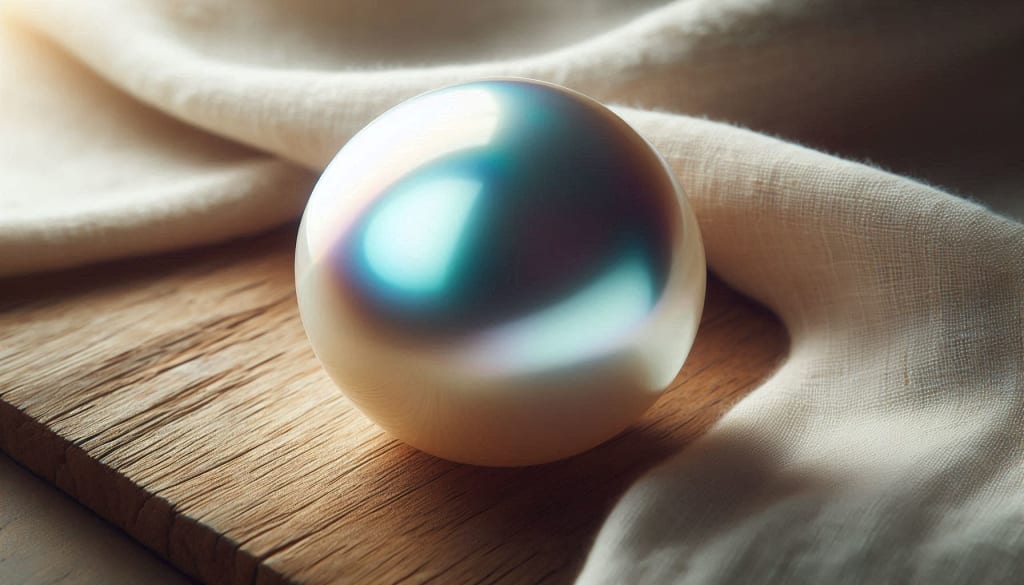
Pearls have captivated human fascination for centuries. These shimmering orbs of elegance are among the most coveted gemstones in the world, symbolizing purity, wisdom, and sophistication. However, not all pearls are the same. With a vast array of types, colors, and origins, choosing the perfect pearl can be as mesmerizing as the gems themselves. In this ultimate guide, we’ll uncover the different types of pearls, their unique characteristics, and what makes each variety special.
1. Akoya Pearls: The Epitome of Classic Elegance
When one envisions a traditional pearl necklace, Akoya pearls often come to mind. These pearls are renowned for their near-perfect round shape, high luster, and smooth surface. Cultivated primarily in Japan and China, Akoya pearls are grown in the Pinctada fucata oyster.
What sets Akoya pearls apart is their unmatched brilliance. Ranging in size from 5mm to 9mm, they are predominantly white or cream-colored with rose, silver, or gold overtones. Their luminous quality makes them a favorite choice for fine jewelry, especially for bridal wear and timeless strands.
2. South Sea Pearls: The Luxurious Giants
If Akoya pearls are the classic beauties, South Sea pearls are their opulent cousins. These pearls are among the largest and most valuable in the world, measuring between 8mm and 20mm. Grown in the warm waters of Australia, the Philippines, and Indonesia, they are produced by the Pinctada maxima oyster.
South Sea pearls are cherished for their satiny luster and natural hues, which range from brilliant white to golden. The golden South Sea pearls, in particular, are highly sought after, exuding warmth and grandeur. Their large size and rarity make them an investment piece, often adorning statement necklaces and high-end jewelry collections.
3. Tahitian Pearls: The Mystical Black Beauties
Contrary to popular belief, not all pearls are white. Tahitian pearls defy tradition with their captivating dark hues, ranging from deep black to peacock green, aubergine, and even silver-gray. Cultivated in the waters of French Polynesia, these pearls are formed in the Pinctada margaritifera oyster, also known as the black-lipped oyster.
Tahitian pearls exude an exotic charm that makes them highly desirable. Their unique overtones and natural dark colors make them a favorite for those looking to stand out. Whether set in modern designs or classic strands, these pearls embody mystery and sophistication.
4. Freshwater Pearls: The Versatile Charmers
Freshwater pearls are beloved for their affordability and variety. Grown in lakes and rivers, primarily in China, these pearls come from mussels rather than saltwater oysters. Unlike their saltwater counterparts, freshwater pearls are available in a vast array of shapes, sizes, and colors, including pink, lavender, and white.
One of the most appealing aspects of freshwater pearls is their accessibility. They are often larger in number per harvest, making them a budget-friendly alternative to Akoya or South Sea pearls. Their durability and natural charm make them an excellent choice for everyday jewelry and fashion-forward designs.
5. Keshi Pearls: The Happy Accidents of the Pearl World
Keshi pearls are a fascinating byproduct of the pearl culturing process. These pearls form when the oyster rejects the implanted nucleus but continues to deposit layers of nacre, resulting in a purely nacreous pearl. Because of this, Keshi pearls often have extraordinary luster.
These pearls are found in various shapes and sizes, often resembling abstract or baroque forms. Their unique appearance makes them a favorite among designers who seek to create unconventional and artistic jewelry pieces. Despite being small, Keshi pearls radiate an intense glow, making them a hidden treasure in the world of pearls.
6. Edison Pearls: The Modern Marvels
Edison pearls are a relatively new entrant into the pearl industry. These freshwater pearls, named after Thomas Edison, are known for their impressive size and rich colors. They can reach sizes of 15mm or more, making them comparable to South Sea pearls but at a more affordable price point.
What makes Edison pearls particularly intriguing is their striking hues, which include deep purples, intense pinks, and even metallic golds. Cultivated using advanced techniques, these pearls are revolutionizing the world of freshwater pearls, offering consumers an elegant and bold alternative.
7. Baroque Pearls: The Art of Imperfection
Baroque pearls are proof that beauty lies in imperfection. Unlike the traditional round pearls, these gems take on irregular, often whimsical shapes that make each piece truly one-of-a-kind. They can be found in various pearl types, including freshwater, South Sea, and Tahitian.
Baroque pearls are celebrated for their organic charm. Their asymmetry gives designers endless creative possibilities, from unique pendants to contemporary statement pieces. Those who appreciate individuality and artistic expression will find baroque pearls particularly enchanting.
8. Mabe Pearls: The Half-Pearls of Elegance
Mabe pearls, also known as blister pearls, form against the inner shell of the oyster rather than within its tissue. This results in a hemispherical shape, making them ideal for earrings, rings, and brooches. Cultivated primarily in Japan, Indonesia, and Australia, Mabe pearls come in various pastel shades, including pink, silver, and blue.
Due to their flat back, Mabe pearls are often used in intricate jewelry settings. Their high luster and delicate hues make them a sophisticated choice for those who appreciate classic yet distinctive pieces.
9. Natural Pearls: The Rare and Untouched Gems
Natural pearls are the rarest of all pearl types. Unlike cultured pearls, which are farmed, natural pearls form entirely by chance when an irritant enters an oyster and nacre accumulates over time. These pearls were once the only kind available, making them highly prized throughout history.
Due to over-harvesting and environmental factors, natural pearls are incredibly scarce today, often fetching astronomical prices at auctions. Their organic formation process makes each natural pearl an extraordinary relic of the ocean, a true collector’s item for those who value rarity and history.
Conclusion: Finding the Perfect Pearl for You
With so many types of pearls to choose from, selecting the right one depends on personal style, budget, and occasion. Whether you are drawn to the timeless elegance of Akoya pearls, the luxurious allure of South Sea pearls, or the mystical charm of Tahitian pearls, there is a pearl out there for everyone.
Understanding the different types of pearls allows you to appreciate their unique qualities and make informed choices when purchasing pearl jewelry. No matter which pearl you choose, these gems will always remain a symbol of grace, beauty, and refinement.
About the Creator
pmkkgems
Pmkk gems is a trusted seller from 53 Year in Gemstone in Johari Bazaar Jaipur. Pmkk Gems is dealing in all kinds of Natural Precious Gemstones, Semi Precious Gemstone, Rudraksha and Customize Jewelry world Wide.
From Stove to Strategy: Steve Wolfe’s Take on Scaling Your Food Business from Kitchen to Boardroom
Every food business begins with passion—late nights in the kitchen, handwritten recipes, and the joy of seeing someone love what you’ve made. But when demand grows, passion alone isn’t enough. Scaling your food business from kitchen to boardroom requires a shift in thinking, planning, and leadership.
By Steven Joseph Wolfe7 days ago in Education




Comments
There are no comments for this story
Be the first to respond and start the conversation.