
The Ultimate Guide to Shedding Pounds: Secrets to Safe and Effective Weight Loss
Tips and Strategies for Sustainable Weight Loss and Healthy Lifestyle.

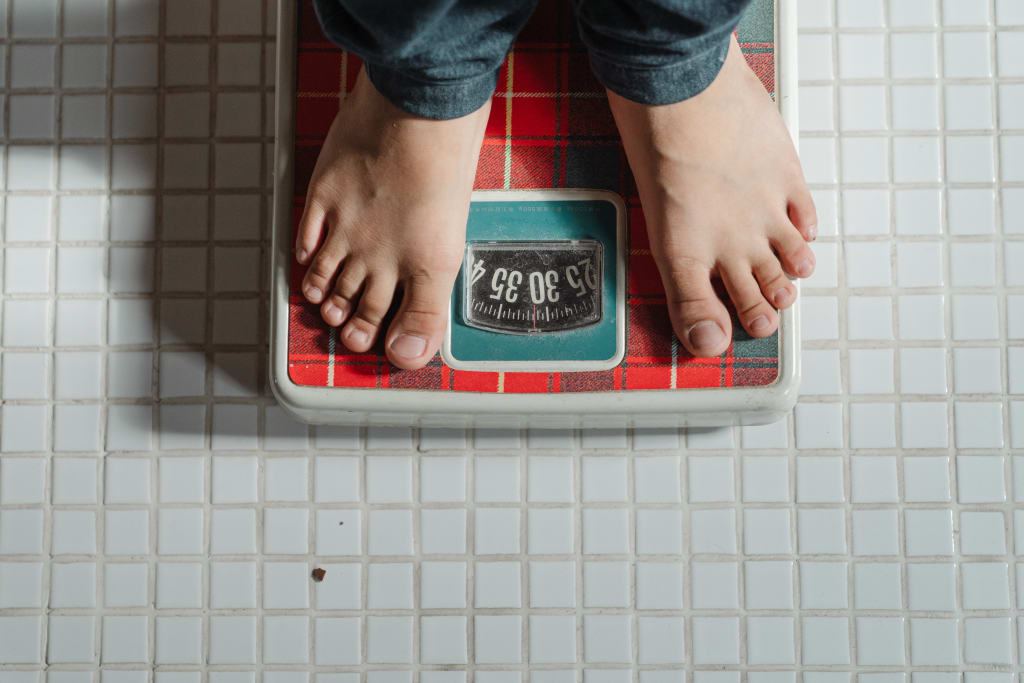
Losing weight can be a daunting task, but with the right approach, it is possible to shed those extra pounds safely and effectively. From diet to exercise, lifestyle changes, and mindset, this ultimate guide will provide you with the secrets to sustainable weight loss.
1. Start with a Plan
The first step to losing weight is to set a goal and create a plan. A realistic goal is to lose 1-2 pounds per week. This can be achieved through a combination of diet and exercise. Set small, achievable goals that will keep you motivated and help you stay on track.
2. Focus on a Healthy Diet
A healthy diet is crucial for sustainable weight loss. Focus on eating a balanced diet that includes whole foods, lean protein, healthy fats, and complex carbohydrates. Avoid processed foods, sugary drinks, and high-calorie snacks. Instead, opt for fruits, vegetables, whole grains, and lean protein sources like chicken, fish, and legumes.
3. Portion Control
Portion control is essential when trying to lose weight. Even healthy foods can lead to weight gain if consumed in excess. Use smaller plates, measure your food, and avoid second helpings. It's also important to eat slowly and enjoy your meals.
4. Stay Hydrated
Drinking plenty of water is important for weight loss. Water helps to flush out toxins, keeps you hydrated, and reduces hunger. Aim to drink at least 8 cups of water per day.
5. Move More
Regular exercise is essential for weight loss. Aim for at least 30 minutes of moderate exercise, five days a week. This can include walking, jogging, cycling, swimming, or strength training. Find an exercise routine that you enjoy, and stick to it.
6. Strength Training
Strength training is an effective way to build muscle, which can help you burn more calories even when you're at rest. Incorporate strength training into your exercise routine, focusing on all major muscle groups.
7. Cardiovascular Exercise
Cardiovascular exercise is essential for burning calories and improving your overall fitness. Choose an activity that you enjoy, and aim to do it for at least 30 minutes, five days a week.
8. Get Enough Sleep
Getting enough sleep is important for weight loss. Lack of sleep can lead to weight gain by disrupting the hormones that regulate appetite and metabolism. Aim for at least 7-8 hours of sleep per night.
9. Manage Stress
Stress can lead to overeating and weight gain. Find healthy ways to manage stress, such as exercise, meditation, or deep breathing.
10. Stay Motivated
Staying motivated is key to achieving your weight loss goals. Surround yourself with a support system of friends and family, track your progress, and reward yourself for reaching milestones.
11. Be Patient
Weight loss is a journey, and it takes time to see results. Be patient, stay focused on your goals, and celebrate your successes along the way.
12. Seek Professional Help
If you're struggling to lose weight, seek professional help. A registered dietitian or certified personal trainer can provide personalized advice and support to help you achieve your weight loss goals.
In conclusion, the key to safe and effective weight loss is a combination of a healthy diet, regular exercise, adequate sleep, stress management, and a positive mindset. Set realistic goals, create a plan, and stay motivated. With time and dedication, you can achieve your weight loss goals and maintain a healthy lifestyle.
Ready to lose weight without giving up your favorite beverage? You might not have to. Click here to learn how to use your morning coffee to kickstart your weight loss journey and achieve your goals.
Disclosure: Some links in this article may be affiliate links. I recommend products that I believe can benefit my readers and that I have personally vetted. By making a purchase through these links, you support my work and invest in a valuable product or service. Thank you for your trust and support.
About the Creator
Keep reading
More stories from Navi Pudhvoth and writers in Education and other communities.
5 Keto-Friendly Snacks to Satisfy Your Cravings
Snacking can be a tricky part of following the keto diet. Many common snack foods, such as chips and cookies, are high in carbohydrates and therefore not keto-friendly. However, there are plenty of delicious and satisfying snack options that are perfectly suited to the keto lifestyle. In this article, we'll explore five keto-friendly snacks that are not only tasty, but also nutritious and easy to prepare.
By Navi Pudhvoth3 years ago in Education
The Human Guide Behind Technical Excellence
Mentorship of skilled technicians plays a decisive role in shaping strong careers and reliable work standards. Technical skill alone does not make a technician capable. Real growth comes from shared experience, steady guidance, and trust built over time. In many industries, mentorship fills the gap between classroom learning and real job demands. It helps technicians move from basic ability to confident performance. This article explores how mentorship supports learning, builds skills, and strengthens the future workforce.
By Michael Gastinel2 days ago in Education
Pioneering Therapies for Untreated Diseases
Medical science has made incredible progress in treating many illnesses. Yet, some diseases remain resistant to conventional therapy. These untreated diseases affect millions of people worldwide, causing long-term disability or shortened lifespans. Pioneering therapies for untreated diseases aim to fill this gap, offering hope where traditional treatments have failed. Scientists, clinicians, and biotech companies are working together to create therapies that are both innovative and effective.
By Dr. Janet Chollet3 days ago in Education
Miss Persephone's Manual to a Seemingly Ordinary Life
Miss Persephone was found at the dining table, her blue eyes swollen, her tears arriving and retreating like the tides of the ocean. Earlier that day, her family had visited her in the retirement home where she had lived for eight years. It was her eightieth birthday.
By Imola Tóth3 days ago in Fiction


Comments
There are no comments for this story
Be the first to respond and start the conversation.