
The Ultimate Guide to Potty Training Your Adorable Puppy
Mastering the Art of Housebreaking: The Ultimate Guide to Potty Training Your Adorable Puppy
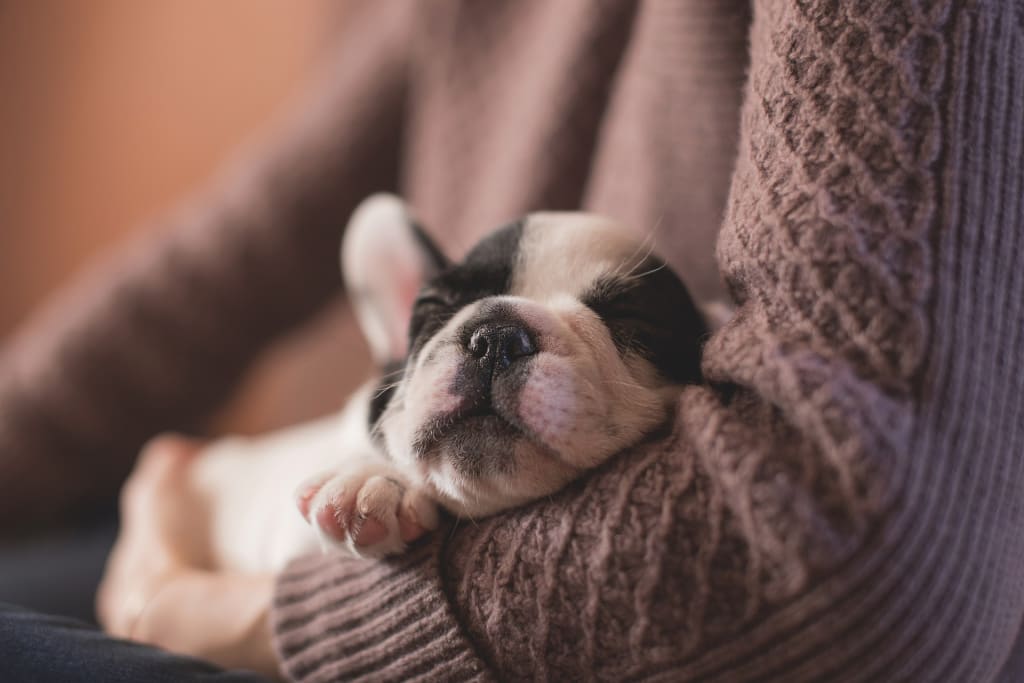
Welcoming a new puppy into your home is an exciting and joyful experience. However, the process of potty training can sometimes feel daunting and overwhelming. In this comprehensive guide, we will walk you through practical tips, effective strategies, and expert advice to help you successfully potty train your furry friend. By following these steps, you’ll be well on your way to a cleaner and happier home.
Understanding the Basics of Puppy Potty Training:
Consistency:
Consistency plays a vital role in puppy potty training because it helps establish clear expectations and reinforces desired behaviors. When you consistently follow the same rules and routines, your puppy learns what is expected of them and can develop a sense of structure. Using consistent cues, such as a specific word or phrase, and consistently directing your puppy to the designated potty area, helps them understand where and when they should eliminate. By being consistent in your approach, you create a reliable and understandable environment for your puppy, which facilitates faster and more effective potty training. Setting Up a Suitable Environment.
Patience:
Patience is key when potty training a puppy because it takes time for them to learn and adjust to the desired behaviors. Puppies are still developing physically and mentally, and accidents are a normal part of the learning process. Being patient allows you to understand that accidents will happen, and it’s essential to remain calm and avoid punishment. Instead, focus on redirecting your puppy to the correct behavior and providing positive reinforcement when they get it right. Patience helps create a positive and stress-free environment, allowing your puppy to feel safe and motivated to learn.
Positive Reinforcement:
Positive reinforcement is a powerful tool for teaching your puppy where and when to eliminate. It involves rewarding your puppy with treats, praise, or affection when they exhibit the desired behavior, such as going potty in the designated area. Positive reinforcement helps your puppy associate the act of eliminating in the appropriate spot with positive outcomes. This association strengthens the desired behavior and encourages them to repeat it. By focusing on positive reinforcement, you create a supportive and enjoyable learning experience for your puppy, building trust and strengthening the bond between you.
Ideal Age to Start Potty Training and Early Intervention:
The ideal age to start potty training a puppy is typically around 8 to 12 weeks old. At this stage, puppies have better bladder and bowel control and are more receptive to learning. Early intervention is crucial because it sets the foundation for proper potty habits. Starting early helps prevent the development of bad habits and makes it easier to establish the desired routines and behaviors. Early potty training intervention also helps prevent accidents and promotes quicker learning and adjustment for your puppy.
Establishing a Routine and Sticking to It:
Establishing a routine is essential for successful potty training. A consistent schedule helps your puppy understand when they should expect potty breaks and when they need to hold their bladder or bowel movements. By following a routine, you create a predictable environment that supports learning and prevents accidents. Sticking to the routine reinforces consistency and provides your puppy with the structure they need to develop good habits.
In my experience, I would take them out every time they wake up from a nap and or every 30 minutes when I was home. See if a neighbor would come over to let your puppy out a few times a day when your at work or hirer a dog walker / sitter.
Selecting an Appropriate Potty Area Indoors and Outdoors:
When potty training your puppy, it’s important to designate specific areas for them to eliminate, both indoors and outdoors. I would walk in they yard with them to where I wanted them to do their business.
Choose a indoor confined area with easy-to-clean flooring, such as tile, linoleum, or sealed hardwood. This helps minimize the mess in case of accidents. You can use puppy pads or artificial grass specifically designed for potty training. Place them in a consistent location within the designated area. Ensure the area is easily accessible for your puppy and away from their eating and sleeping areas.
Select a designated outdoor area where you want your puppy to eliminate long-term. you want to choose an area that is easily accessible and safe for your puppy to reach. Consider a spot with natural grass or gravel, as many puppies are naturally inclined to eliminate on these surfaces. Be mindful of any local regulations or restrictions regarding where dogs are allowed to eliminate.
Introducing Effective Training Techniques:
Positive reinforcement is a powerful tool in puppy potty training. Here’s why it’s so effective:
Treats: Using small, tasty treats as rewards helps reinforce the desired potty behaviors. Give a treat immediately after your puppy eliminates in the appropriate spot. This creates a positive association between the behavior and the reward, motivating your puppy to repeat the behavior.Praise: Verbal praise, such as saying "good job" or using an excited and cheerful tone, is another form of positive reinforcement. Praise your puppy enthusiastically when they eliminate in the designated area. Your puppy will learn to associate your positive feedback with the desired behavior and strive to earn your praise.
Rewards: In addition to treats and verbal praise, you can use other rewards that your puppy finds motivating. This can include favorite toys, playtime, or a special activity they enjoy. The key is to find what motivates your pupp
Feeding times play a crucial role in your puppy's bathroom habits and overall potty training progress. Here's why establishing a regular feeding schedule is important: How Feeding Times Affect Your Puppy's Bathroom Habits: Consistent feeding times help regulate your puppy's digestive system. When you feed your puppy at the same times each day, their body develops a routine for processing food, which can lead to more predictable bathroom habits.
By establishing regular meal times, you can anticipate when your puppy will need to eliminate, making it easier to plan and supervise potty breaks.
The Importance of Monitoring Water Intake: While it's essential to provide your puppy with access to water throughout the day to stay hydrated, monitoring their water intake can help manage their bathroom habits. Be mindful of excessive water consumption right before bedtime or extended periods without access to outdoor potty breaks, as this can increase the likelihood of accidents.
Recommended Meal Times to Create a Predictable Routine: Generally, it is recommended to feed puppies three to four small meals per day until they are around six months old.
Create a consistent schedule by feeding your puppy at the same times each day, spacing the meals out evenly. As your puppy grows and their digestive system matures, you can transition to two meals per day. By establishing a regular feeding schedule, monitoring water intake, and following recommended meal times, you create a predictable routine for your puppy. This routine helps regulate their bathroom habits and allows you to anticipate when they are likely to need potty breaks. Remember to be patient and consistent with potty training, providing positive reinforcement when your puppy eliminates in the appropriate area.
Supervision and Management:
Constant supervision is crucial during the early stages of puppy potty training. Here's why it's important:
The Value of Constant Supervision During the Early Stages: Supervision allows you to closely monitor your puppy's behavior and anticipate their needs. It helps you identify signs that they need to eliminate and intervene promptly by guiding them to the designated potty area. With constant supervision, you can prevent accidents from happening indoors and redirect your puppy to the appropriate spot when necessary. It also provides an opportunity to reinforce positive behaviors and reward your puppy for eliminating in the right place.
Using Confinement Methods such as Baby Gates or Playpens: Confinement methods, like baby gates or playpens, are effective tools for managing your puppy's access to different areas of the house. When you can't directly supervise your puppy, confining them to a safe and puppy-proofed area prevents unsupervised accidents and keeps them contained in a controlled space. Confinement helps create boundaries, reduces the risk of indoor accidents, and allows you to focus on other tasks while still ensuring your puppy's well-being. I personal used a puppy pin inside my house.
Preventing Accidents and Correcting Mistakes without Punishment: It's important to note that accidents are a normal part of the potty training process. Instead of punishment, focus on preventing accidents and redirecting your puppy to the appropriate behavior. Supervision and confinement play a significant role in preventing accidents. By closely monitoring your puppy and confining them when necessary, you can reduce the chances of them eliminating in undesirable areas.
If you catch your puppy in the act of eliminating indoors, interrupt them gently by using a cue or noise to get their attention. Immediately guide them to the designated potty area to finish. Avoid punishment, as it can create fear or anxiety and hinder the training process. Instead, provide positive reinforcement when your puppy eliminates in the appropriate spot. Reward them with treats, praise, and affection to reinforce the desired behavior.
Troubleshooting Challenges:
Potty training can present various challenges along the way. Here are some common issues and how to address them: Addressing Common Issues like Regression or Reluctance to Eliminate Outside:
Regression: If your puppy starts having accidents indoors after making progress, it could be a sign of regression. Review your training routine and ensure consistency. Go back to basics by reinforcing the training steps, providing more frequent potty breaks, and closely supervising your puppy until they regain consistency.
Reluctance to Eliminate Outside: Some puppies may be hesitant to eliminate outdoors due to distractions or discomfort. Be patient and create a positive environment by using familiar cues, providing praise and treats, and finding a quiet and safe outdoor spot. Gradually increase exposure to different environments to help your puppy become more comfortable eliminating outside.
Handling Separation Anxiety and Its Impact on Potty Training:
Separation anxiety can affect a puppy's potty training progress. It may cause them to have accidents when left alone. Gradual desensitization and counterconditioning can help alleviate separation anxiety. Practice short periods of alone time and gradually increase the duration. Create a safe and comfortable space for your puppy when you're away, and consider using calming aids like music or pheromone diffusers.
Dealing with Occasional Accidents and How to Clean Them Effectively: Accidents happen, even during the potty training process. Here's how to handle occasional accidents:
Act quickly: Clean up accidents promptly to prevent lingering smells that may encourage repeat incidents. Blot the area with paper towels to absorb as much liquid as possible. Use an enzymatic cleaner: Regular household cleaners may not completely eliminate the odor, which can attract your puppy to the same spot. Enzymatic cleaners break down the organic compounds in urine or feces, effectively removing the scent. Follow the product instructions: Apply the enzymatic cleaner to the affected area and allow it to soak for the recommended time. Thoroughly rinse or blot the area afterward, following the product instructions. Prevent access to cleaned areas: Restrict your puppy's access to previously soiled areas until they are fully potty trained.
Remember, consistency, patience, and positive reinforcement are key when troubleshooting challenges in potty training. Addressing issues with understanding and implementing appropriate solutions will help you and your puppy overcome obstacles and achieve successful potty training outcomes.
Celebrating Milestones and Success: Recognizing your puppy's achievements and progress. Transitioning to a regular bathroom routine and maintaining consistency to solidify good habits.
Potty training a puppy requires time, effort, and patience, but with the right knowledge and strategies, you can successfully navigate this important milestone. Remember, every puppy is unique, and the process may take longer for some than others. By following the tips and techniques outlined in this guide, you'll be well-equipped to establish a solid foundation for your puppy's future behavior and ensure a harmonious living environment for both of you.
About the Creator
April Stevenson
Hi am April, I’m a wife and a mother of 4. I have many niches and love to share my knowledge with others.
Keep reading
More stories from writers in Education and other communities.
A Deterministic Reference Architecture for Automated Equity Stock Trading Bots
Automated equity stock trading bots are built to study market data, follow trading rules, and place trades quickly and consistently. Behind every reliable trading bot is a well-planned system design that makes sure the bot behaves in a predictable and controlled way. One important design approach used in professional systems is called a deterministic reference architecture. This blog describes what deterministic architecture is, why it is important, and how it helps automated stock trading systems stay stable and trustworthy.
By james halla day ago in Education
Choose Your Own Adventure: St Helena Station
*****Preface***** I have been obsessed with Choose Your Own Adventure stories since I was a kid. I credit them with my love of reading and writing. I've been struggling to get my own kids to embrace words the same way I have but they love video games and our occasional Dungeon's and Dragon's game... which gave me an idea. I'll write an interactive story. So far its working; my middle son loves it and can't wait for the next section to come out.
By Sandor Szaboa day ago in Fiction
📢 Raise Your Voice Thread: 02/05/2026
Our “Raise Your Voice Threads” are hosted most alternating Thursdays at 12PM ET to offer creators more avenues to uncover exceptional stories on Vocal. As we are continuously searching for fresh creators and inspiring stories, this thread provides an opportunity to exchange and discuss the stories that have moved and motivated us on Vocal.
By Raise Your Voice by Vocalabout 17 hours ago in Resources



Comments
There are no comments for this story
Be the first to respond and start the conversation.