
The Ultimate Guide to Hydrostatic Testing Services: Ensure Safety & Performance
Safety & Performance

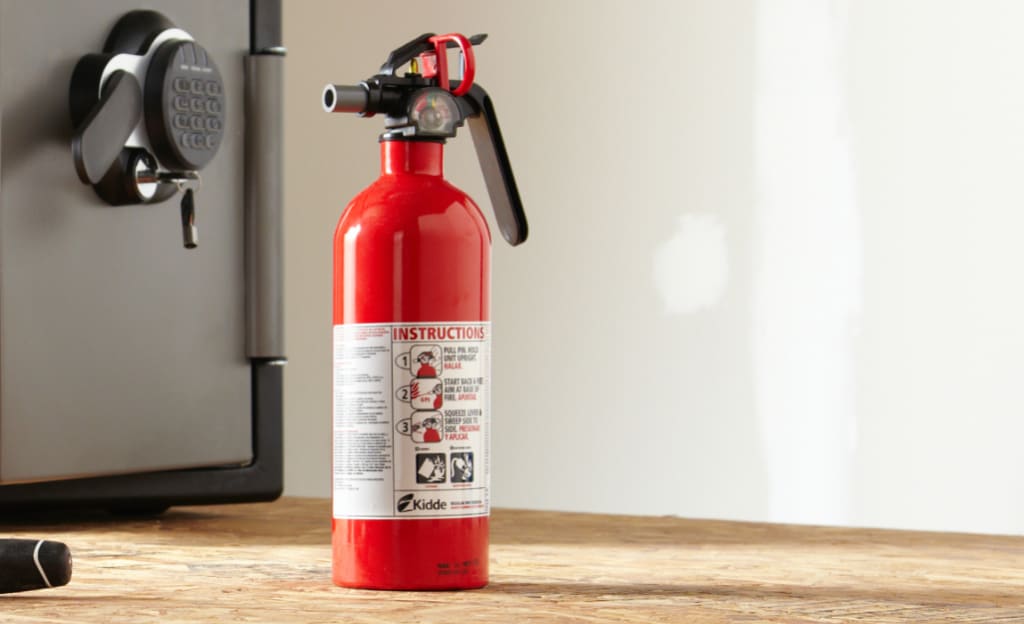
Hydrostatic testing is an essential process used and widely applied in various industries to ensure that equipment functioning under pressure is safe, reliable, and functional. Examples include pipelines, gas cylinders, fire extinguishers, and pressure vessels, among others. It detects the vulnerabilities and possible leaks before the failure or breakdown of the equipment and for the sake of safety standards. In the guide that follows, we would be taking a deeper look into the key points of hydrostatic testing, how it works, the equipment involved, and importance in selecting the right service provider.
What Is Hydrostatic Testing?
Hydrostatic testing is a non-destructive method that does not destroy the pressure vessels, pipelines, etc., used to check for structural integrity of structural elements. The equipment is filled with water or a similar liquid, and some predetermined pressure is established, and leaks, deformations, and even signs of failure, are monitored. This helps to single out weak points that may lead to catastrophic failure in the high-pressure environment.
Key Points:
- Purpose: To demonstrate equipment's ability to withstand its maximum working pressure with leak-tight and structurally sound integrity.
- Industry: It is used primarily in the oil and gas, chemical processing, firefighting, and manufacturing industries.
- Safety Compliance: In many places, regulatory authorities require hydrostatic testing as an assurance that the chosen equipment is safe.
How Does Hydrostatic Testing Work?
The hydrostatic test, though pretty straightforward yet precise process, generally follows the following steps most used for hydrostatic testing:
- Preparation: Remove all gases, fluids, or contaminants inside the test equipment. This is important in having accurate results and safety measures against failure.
- Filling the Equipment: Top-Fill The equipment is then filled with water or another non-compressible liquid. The liquid that is mostly used is water due to its availability and low compressibility.
- Charging and Hydrostatic Test: After charging, high-pressure pump is utilized to pressurize the equipment with the charged liquid. The pressure produced should be higher than the normal working pressure of the equipment. Usually 1.5 times the maximum working pressure of the equipment is taken for most equipments.
- Monitoring for Leaks: A check is run for leaks, pressure drops, or deformations on the equipment. This depends on equipment and industrial standards, though this takes a few minutes to an hour.
- Evaluation and Certification: The equipment is passed and certified for further use if no deformations and leaks are found. If deformations or leaks are present, the deformities and leaks have to be corrected first before doing any test.
Equipment Used in Hydrostatic Testing
To carry out hydrostatic testing, the accurate result and safe performance need proper equipment. One of the most vital types of equipment to be used is the hydrostatic test pump. A hydrostatic pump is made for the pressurization of the liquid in the equipment up to certain required levels for the testing process. According to the size of the equipment tested, test pumps can either be manual, electric, or gas-powered.
Types of Hydrostatic Test Pumps:
- Manual Hydrostatic Test Pumps: Typically are used for smaller applications, like testing residential plumbing or small pressure vessels.
- Electric Hydrostatic Test Pumps: These pumps are more commonly used in industries where larger machinery must be tested. Electric pumps offer steadier pressure and more pleasurable operating over long spans.
- Gas-Powered Hydrostatic Test Pumps: Majorly used in areas where electric supply is not available. These pumps provide very powerful and portable pressure testing solutions.
The Necessity of Hydrostatic Testing:
Safety and Performance Hydrostatic testing serves important purposes, with the primary goal of safeguarding the safety and efficiency of equipment. Here's what makes this process so crucial:
1. Intact Structural Configuration
One of the most important tasks that a hydrostatic test performs is to validate that a pressure vessel or pipeline can endure the pressure intended when it was designed. When the equipment breaks due to overpressure, this triggers some explosions and huge leaks, followed by more money in the process of fixing this mistake.
2. Saves Equipment from Failure
Hydrostatic testing further helps to identify potential weak points before they become problems. This becomes an advanced precautionary measure against unexpected breakdowns and saves businesses time and dollars.
3. Complies with Regulations
Hydrostatic testing in most industries is a legal requirement. Failure to comply with regulations may attract penalties, closure, and even court cases.
4. Equipment Life Cycles
Hydrostatic testing extends equipment life because they detect minor issues and rectify them before it turns out to become serious. Maintenance and testing of equipment mean constant running of the equipment efficiently and safely
5. Conservation of the Environment
In cases of the oil and gas industries, environmental damage can be caused by a leak in the system. Hydrostatic testing prevents leakage since pipelines and pressure vessels are checked to ensure that they do not leak, thus ensuring the safe operation under pressure.
When to Carry Out Hydrostatic Testing
Hydrostatic testing should take place in the following scenarios.
- New Apparatuses: Hydrostatic testing is required as a condition prior to entering service for new pressure vessels, pipelines, and other high-pressure equipment.
- Regular Maintenance: Hydrostatic testing should find its place in regular maintenance, and its focus should be always on ensuring both safety and performance in the long run.
- Testing After Repairs: A pressure vessel or pipeline would need hydrostatic testing after repairs to ensure that it regain its integrity upon the repairs.
- After Long Time of Downtime: If equipment has not been used for a long time, hydrostatic testing must be carried out to determine whether it is still fit for use.
Hydrostatic Testing Service Provider Selection
The right hydrostatic testing service provider ensures the fact that accuracy of your test results and safety are taken care of. When choosing a provider, consider the following:
- Experience and Expertise: They must hold experience with your industry type and the kind of equipment used.
- Certification: Your company should observe the standard of the industry and be certified to perform hydrostatic testing.
- Modern Equipment: All providers should use state-of-art hydrostatic test pumps and equipment for accurate results.
- Reputation: Look for reviews and testimonies check the provider has quality service, good track record, reputation.
Conclusion
Hydrostatic testing is an important service which must be ensured for safety, performance, and compliance of pressure equipment across various industries. Hydrostatic testing through a hydrostatic test pump can prevent costly failures and extends the lifespan of your equipment while protecting people and the environment alike. You should select only good service providers for an efficient job in checking whether all requirements are met.
About the Creator
Deborah Larson
Deborah Larson is a professional writer and lifelong learner who shares her knowledge, insights and creative thoughts through her blog.
Keep reading
More stories from Deborah Larson and writers in Education and other communities.
Extinguisher Guide: Choosing the Right One for Your Home or Business
In the fire protection field, the proper extinguisher is as important as knowing how to use it. Fires tend not to announce themselves, so having a properly placed, properly serviced extinguisher on hand can prevent a problem from becoming a disaster. Whether you are outfitting your home, office, or commercial building, having the proper extinguisher available and regularly serviced is critical. This will enable you to learn about the different types of extinguishers and how to cross-reference them against your particular fire hazards.
By Deborah Larson9 months ago in Education
Rising Graduation Rates Show the Power of Student Support
Education shapes the future of every community. In recent years, schools across the United States have reported rising graduation rates, and this progress tells a powerful story. More students are completing high school and moving toward new opportunities. As a result, educators, families, and community leaders see clear proof that focused support and better teaching methods make a real difference.
By Tom Walter Wake Forest3 days ago in Education


Comments
There are no comments for this story
Be the first to respond and start the conversation.