
The Ultimate Guide to Finding a Cure for Gastric Ulcer: Everything You Need to Know
Understanding, Treating, and Preventing Gastric Ulcers: The Complete Guide
Introduction:
Gastric ulcer, also known as peptic ulcer, is a condition that affects the lining of the stomach, causing a sore or lesion. This condition can be painful and cause discomfort, especially when eating or drinking. It is essential to understand the causes, symptoms, and treatment options available for gastric ulcers to manage and prevent the condition from worsening.
Definition of gastric ulcer:
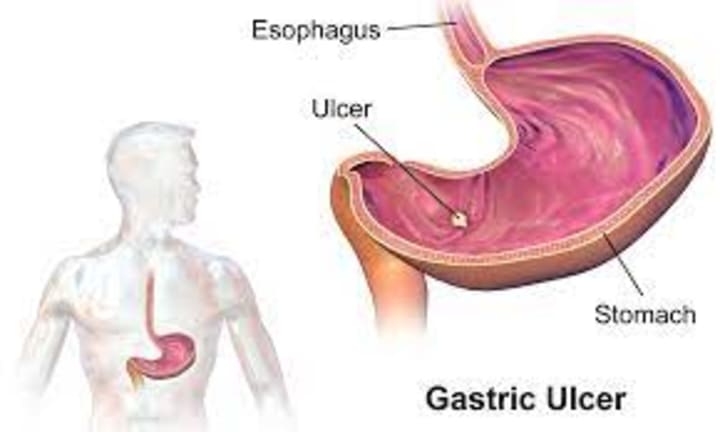
A gastric ulcer is a type of peptic ulcer that forms in the lining of the stomach. This ulcer can cause pain, discomfort, and other complications. In some cases, gastric ulcers can lead to bleeding or perforation of the stomach lining, which can be a medical emergency.
Importance of understanding the condition:
Understanding gastric ulcers is crucial for managing and preventing the condition from becoming severe. Early diagnosis and treatment can help avoid complications such as bleeding or perforation of the stomach lining. By knowing the causes, symptoms, and risk factors associated with gastric ulcers, individuals can take preventive measures to reduce their risk of developing the condition.
Furthermore, with a better understanding of gastric ulcers, individuals can make informed decisions about their lifestyle choices, including diet, exercise, and stress management. This knowledge can help reduce the risk of developing gastric ulcers and improve overall health and well-being.
A gastric ulcer is a sore or lesion that develops in the lining of the stomach. It is caused by the erosion of the mucosal lining of the stomach, which leads to open sores that are painful and can cause serious complications if left untreated.
Symptoms of Gastric Ulcer
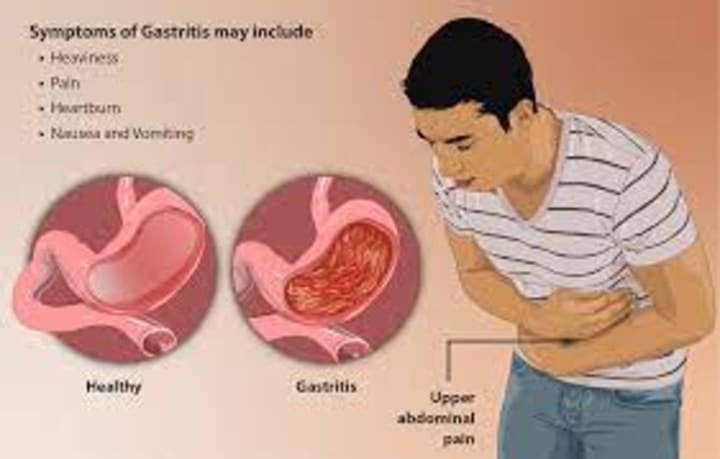
The most common symptoms of a gastric ulcer include abdominal pain, nausea, vomiting, bloating, and loss of appetite. Some people may also experience weight loss, indigestion, and black or bloody stools.
Causes of Gastric Ulcer
Gastric ulcers are caused by a bacterial infection known as Helicobacter pylori (H. pylori), which affects the protective lining of the stomach. Other causes of gastric ulcers include the use of nonsteroidal anti-inflammatory drugs (NSAIDs), stress, and smoking.
Risk Factors for Gastric Ulcer
Certain factors increase the risk of developing a gastric ulcer, including a family history of the condition, alcohol abuse, and chronic use of NSAIDs.
Diagnosis of Gastric Ulcer
The diagnosis of a gastric ulcer involves a physical examination, a review of medical history, and diagnostic tests such as endoscopy, blood tests, and stool tests.
Foods to Eat for Gastric Ulcer
Foods to eat for gastric ulcers include high-fiber foods, lean proteins, and low-fat dairy products. These foods can help to promote healing and reduce inflammation in the stomach.
Lifestyle Changes for Gastric Ulcer
Lifestyle changes for gastric ulcers include quitting smoking, reducing stress, and avoiding alcohol. These changes can help to reduce inflammation in the stomach and promote healing.
Alternative Treatments for Gastric Ulcer
Alternative treatments for gastric ulcers include acupuncture, herbal medicine, and hypnotherapy. These treatments can help to reduce inflammation and promote healing in the stomach.
Acupuncture involves the insertion of thin needles into specific points on the body to stimulate the body's natural healing processes. Herbal medicine involves the use of natural plant extracts to promote healing in the body. Hypnotherapy involves the use of hypnosis to help reduce stress and anxiety, which can contribute to the development of gastric ulcers.
While these alternative treatments may be helpful in managing gastric ulcers, it is important to speak with a healthcare professional before trying any new treatments. Some herbal supplements may interact with prescription medications, and acupuncture and hypnotherapy may not be suitable for everyone.
Gastric Ulcer Complications
Complications of gastric ulcers include bleeding, perforation, and obstruction of the stomach. These complications can be serious and require immediate medical attention.
Bleeding from a gastric ulcer can cause symptoms such as black, tarry stools, vomiting blood, or a feeling of lightheadedness or dizziness. Perforation of the stomach can cause severe abdominal pain and may require emergency surgery. Obstruction of the stomach can cause nausea, vomiting, and difficulty swallowing.
If you experience any of these symptoms, seek medical attention immediately.
How to Prevent Gastric Ulcer
Prevention of gastric ulcers involves avoiding risk factors such as smoking, excessive alcohol consumption, and chronic use of NSAIDs. Eating a healthy diet, managing stress, and treating H. pylori infection can also help to prevent gastric ulcers.
Smoking and excessive alcohol consumption can increase the risk of developing a gastric ulcer by irritating the lining of the stomach. Chronic use of NSAIDs such as aspirin, ibuprofen, and naproxen can also increase the risk of gastric ulcers by interfering with the production of stomach acid.
A healthy diet that includes plenty of fruits, vegetables, whole grains, and lean protein can help to support the health of the stomach lining. Managing stress through techniques such as meditation, yoga, or deep breathing exercises can also help to reduce the risk of developing gastric ulcers.
If you have been diagnosed with an H. pylori infection, it is important to follow your doctor's recommended treatment plan to reduce the risk of developing a gastric ulcer.
Cure for Gastric Ulcer
A gastric ulcer, also known as a peptic ulcer, is a sore that forms on the lining of the stomach or small intestine. It is usually caused by an infection with the bacterium Helicobacter pylori (H. pylori) or by the long-term use of nonsteroidal anti-inflammatory drugs (NSAIDs) such as aspirin and ibuprofen. Symptoms of a gastric ulcer can include abdominal pain, nausea, vomiting, and weight loss.
In this article, we will discuss the conventional and natural treatments for gastric ulcers, as well as tips for preventing the development of this condition.
Conventional Treatments for Gastric Ulcer
Conventional treatments for gastric ulcers include medications that reduce stomach acid production, antibiotics to treat H. pylori infection, and surgery in some cases.
Proton pump inhibitors (PPIs) such as omeprazole and lansoprazole are commonly prescribed to reduce the amount of acid produced by the stomach. This helps to reduce the irritation and inflammation of the stomach lining, allowing it to heal. H2 receptor blockers such as ranitidine and famotidine are also used to reduce stomach acid production.
Antibiotics are used to treat H. pylori infection, which can help to reduce the risk of developing gastric ulcers. Commonly prescribed antibiotics for H. pylori infection include amoxicillin, clarithromycin, and metronidazole.
In severe cases, surgery may be necessary to remove the affected portion of the stomach or to repair a perforation in the stomach lining.
Natural Remedies for Gastric Ulcer
Natural remedies for gastric ulcers can help to reduce inflammation and promote healing in the stomach. Some of these remedies include:
• Probiotics: Probiotics are beneficial bacteria that can help to restore the balance of bacteria in the gut. This can help to reduce inflammation and promote healing in the stomach. Probiotic-rich foods include yogurt, kefir, sauerkraut, and kimchi.
• Licorice root: Licorice root has been shown to have anti-inflammatory properties that can help to reduce inflammation in the stomach. It can be taken in supplement form or as a tea.
• Aloe vera: Aloe vera has been shown to have healing properties that can help to reduce inflammation and promote healing in the stomach. It can be taken in supplement form or as a juice.
• Turmeric: Turmeric has anti-inflammatory properties that can help to reduce inflammation in the stomach. It can be taken in supplement form or added to food as a spice.
• DGL: Deglycyrrhizinated licorice (DGL) is a form of licorice root that has been processed to remove a compound that can cause high blood pressure. It can help to reduce inflammation in the stomach and promote healing.
It is important to speak with a healthcare professional before trying any natural remedies for gastric ulcers. Some supplements may interact with prescription medications, and certain herbs may not be safe for everyone.
Lifestyle Changes for Gastric Ulcer
Lifestyle changes can also help to reduce inflammation and promote healing in the stomach. Some of these changes include:
• Quitting smoking: Smoking can increase the risk of developing a gastric ulcer by irritating the lining of the stomach. Quitting smoking can help to reduce this risk.
• Limiting alcohol consumption: Excessive alcohol consumption can also increase the risk of developing a gastric ulcer.
• Avoiding NSAIDs: Long-term use of NSAIDs such as aspirin and ibuprofen can increase the risk of developing a gastric ulcer by interfering with the production of stomach acid
Preventing Gastric Ulcers
Preventing gastric ulcers involves making lifestyle changes and taking steps to reduce the risk of infection with H. pylori. Here are some tips for preventing the development of gastric ulcers:
• Practice good hygiene: Wash your hands frequently and avoid sharing utensils or cups with others to reduce the risk of infection with H. pylori.
• Limit the use of NSAIDs: If you need to take NSAIDs, talk to your healthcare professional about ways to reduce the risk of developing a gastric ulcer. They may recommend taking the medication with food or using a lower dose.
• Manage stress: Stress can increase the risk of developing a gastric ulcer. Engage in stress-reducing activities such as meditation, yoga, or exercise.
• Eat a healthy diet: A diet rich in fruits, vegetables, and whole grains can help to reduce inflammation in the body and promote healing in the stomach.
• Avoid spicy or acidic foods: Spicy or acidic foods can irritate the lining of the stomach and increase the risk of developing a gastric ulcer.
• Drink plenty of water: Staying hydrated can help to reduce inflammation in the body and promote healing in the stomach.
Conclusion
Gastric ulcers can be a painful and uncomfortable condition, but there are a variety of treatments available to help manage the symptoms and promote healing in the stomach. Conventional treatments include medications that reduce stomach acid production, antibiotics to treat H. pylori infection, and surgery in severe cases. Natural remedies such as probiotics, licorice root, aloe vera, turmeric, and DGL can also help to reduce inflammation and promote healing. Making lifestyle changes such as quitting smoking, limiting alcohol consumption, and avoiding NSAIDs can help to prevent the development of gastric ulcers. By taking steps to reduce the risk of gastric ulcers and treating the condition promptly, individuals can manage the symptoms and promote healing in the stomach.
About the Creator
The Evolution of Cyber Threats: Account Hacking Techniques in 2026 and How to Fortify Your Digital Defenses
The Ever-Changing Landscape of Digital Security As we progress through 2026, the sophistication of account hacking techniques has evolved dramatically, presenting unprecedented challenges to individuals and organizations worldwide. This article examines the cutting-edge methods employed by contemporary threat actors and provides actionable, forward-looking strategies to protect your digital identity. Understanding these threats is no longer optional—it's essential for anyone navigating our interconnected digital ecosystem.
By Alexander Hoffmann5 days ago in Education
Hidden Value in Plain Sight: A Deep Look at Mobile Home Park Investing
Manufactured housing has quietly transformed over the past few decades. What was once misunderstood as low-quality housing has become a practical and well-designed option for millions of residents. Today’s manufactured homes are built under strict standards, offering durability, comfort, and modern features at a fraction of the cost of traditional housing. Mobile home parks, where these homes are placed within managed communities, have emerged as a vital solution to ongoing affordability challenges.
By Manny Khoshbin3 days ago in Education



Comments
There are no comments for this story
Be the first to respond and start the conversation.