
The Ultimate Guide to Digital Marketing: Strategies, Tools, and Best Practices
Mastering Digital Marketing: Strategies, Tools, and Trends for Success in the Digital Era
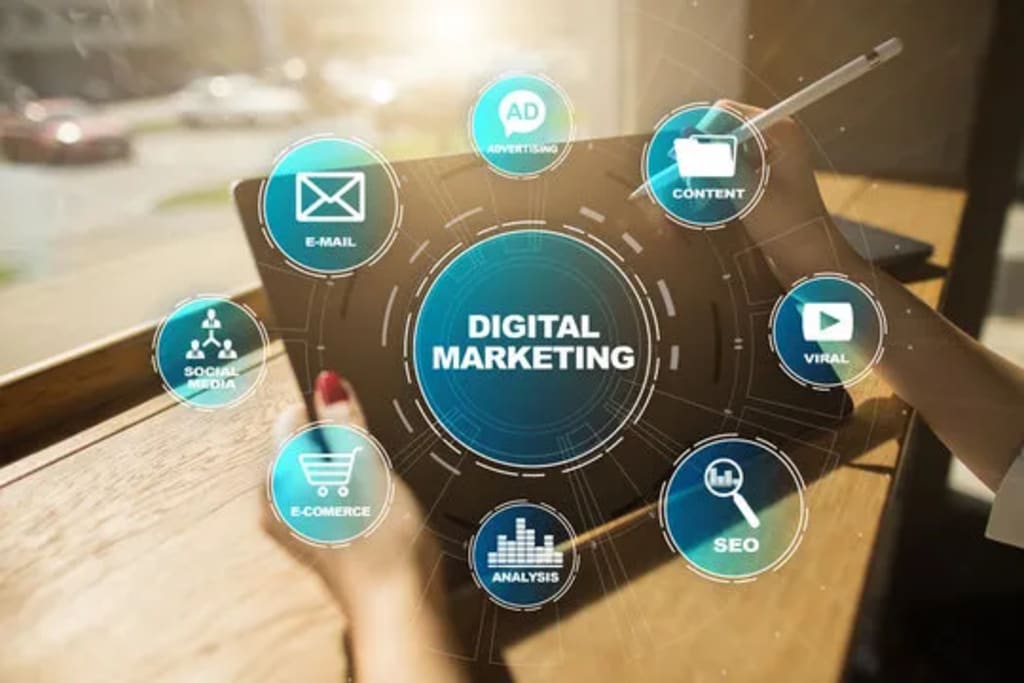
In the digital era, marketing has undergone a seismic shift. Traditional methods, while still relevant, are no longer sufficient to meet the demands of a hyper-connected and competitive landscape. Digital marketing has emerged as the linchpin for businesses seeking to establish a robust online presence, reach a global audience, and drive tangible results. This comprehensive guide explores the intricacies of digital marketing, its core strategies, tools, and best practices to help you navigate and excel in this ever-evolving domain.
What is Digital Marketing?
Digital marketing refers to the use of online platforms, channels, and tools to promote products, services, or brands to a target audience. Unlike traditional marketing, digital marketing leverages data-driven approaches, offering unparalleled insights and personalization opportunities. Key elements of digital marketing include search engine optimization (SEO), social media marketing (SMM), email marketing, content marketing, pay-per-click (PPC) advertising, and more.
The Core Pillars of Digital Marketing
Digital marketing rests on several foundational pillars, each serving a unique purpose in reaching and engaging audiences.
1. Search Engine Optimization (SEO)
SEO is the practice of optimizing your website to rank higher on search engine result pages (SERPs). With over 90% of online experiences starting with a search engine, SEO is crucial for driving organic traffic.
On-Page SEO: Focuses on optimizing individual web pages with relevant keywords, high-quality content, and proper meta tags.
Off-Page SEO: Involves building backlinks from authoritative websites to boost your site's credibility.
Technical SEO: Enhances the backend structure of your website, including page speed, mobile responsiveness, and security.
2. Content Marketing
Content is the backbone of digital marketing. High-quality, valuable content helps attract, engage, and retain customers.
Types of Content:
Blog posts
Infographics
Videos
E-books and whitepapers
Content Strategy: A well-defined content strategy aligns your goals with your audience's needs, ensuring consistent messaging.
3. Social Media Marketing (SMM)
Social media platforms like Facebook, Instagram, Twitter, LinkedIn, and TikTok are powerful tools for building brand awareness and engaging directly with your audience.
Organic vs. Paid Social Media: Organic strategies rely on creating shareable content, while paid campaigns target specific demographics through ads.
Analytics: Track metrics like reach, engagement, and conversions to refine your strategy.
4. Pay-Per-Click (PPC) Advertising
PPC campaigns, such as Google Ads and Facebook Ads, involve paying for each click on your advertisement. This model ensures that your budget is spent on users who show interest in your offerings.
Benefits:
Immediate visibility
Precise targeting
Best Practices: Use A/B testing, compelling ad copy, and optimized landing pages for better ROI.
5. Email Marketing
Despite being one of the oldest forms of digital marketing, email marketing remains highly effective. Personalized, well-timed emails can nurture leads and drive sales.
Types of Campaigns:
Newsletters
Promotional offers
Welcome emails
Automation: Tools like Mailchimp and HubSpot enable automated workflows for greater efficiency.
6. Affiliate Marketing
Affiliate marketing leverages partnerships where affiliates earn a commission for promoting your products. This performance-based approach expands your reach with minimal upfront costs.
7. Influencer Marketing
Collaborating with influencers helps brands tap into established audiences. Authentic endorsements from trusted figures can significantly boost brand credibility.
The Importance of Data in Digital marketing
Data is the lifeblood of digital marketing. It provides insights into customer behavior, campaign performance, and market trends.
Types of Data:
Demographic Data: Age, gender, location, etc.
Behavioral Data: Purchase history, browsing patterns, etc.
Analytics Tools: Google Analytics, Adobe Analytics, and Tableau help you interpret data and make informed decisions.
Personalization Through Data
Personalized marketing, driven by data, improves customer experience. Examples include recommending products based on past purchases or sending birthday discounts.
Digital Marketing Tools You Need to Know
A successful digital marketing strategy relies on the right tools. Here are some essential categories and examples:
SEO Tools: Ahrefs, SEMrush, Moz
Social Media Management: Hootsuite, Buffer, Sprout Social
Email Marketing: Mailchimp, Constant Contact
Content Creation: Canva, Grammarly, Adobe Spark
Analytics: Google Analytics, Hotjar
Building a Digital Marketing Strategy
1. Define Your Goals
Start with clear objectives. Are you looking to increase website traffic, generate leads, or boost sales? Your goals will shape your strategy.
2. Know Your Audience
Develop detailed buyer personas based on demographics, preferences, and behavior. This ensures your campaigns resonate with your target audience.
3. Choose the Right Channels
Not all channels are suitable for every business. For instance:
LinkedIn is ideal for B2B marketing.
Instagram works well for visual-heavy industries like fashion.
4. Content Calendar
A content calendar helps organize your efforts, ensuring consistency and timely execution.
5. Budget Allocation
Allocate your budget across different channels based on their ROI. Monitor and adjust your spending as needed.
Best Practices for Digital marketing
1. Mobile Optimization
With mobile devices accounting for over half of web traffic, ensuring your website and campaigns are mobile-friendly is non-negotiable.
2. Focus on Customer Experience
A seamless user experience (UX) fosters trust and encourages repeat business. Optimize your website's navigation, load speed, and accessibility.
3. Leverage Video Content
Video content has higher engagement rates than other formats. Use it for tutorials, product demos, or testimonials.
4. Experiment and Innovate
The digital landscape evolves rapidly. Stay ahead by experimenting with new trends like voice search optimization, augmented reality (AR), and interactive content.
5. Monitor Competitors
Keep an eye on your competitors' strategies. Tools like SimilarWeb and SpyFu can provide insights into their online activities.
Challenges in Digital Marketing
While digital marketing offers immense opportunities, it also presents challenges:
Ad Fatigue: Overexposure to ads can lead to audience disengagement.
Privacy Concerns: Striking a balance between personalization and data privacy is crucial.
Algorithm Changes: Platforms like Google and Facebook frequently update their algorithms, affecting visibility.
Overcoming Challenges
Diversify your strategies to reduce dependency on any single platform.
Stay updated with industry trends and algorithm updates.
Build a strong brand presence to withstand market fluctuations.
The Future of Digital marketing
The future of digital marketing is poised to be more personalized, automated, and immersive. Key trends to watch include:
Artificial Intelligence (AI): AI-powered tools enhance customer segmentation, chatbots, and predictive analytics.
Voice Search: Optimizing for voice queries is becoming increasingly important with the rise of smart speakers.
Sustainability Marketing: Eco-friendly practices are gaining traction as consumers prioritize sustainability.
Conclusion
Digital marketing is a dynamic and multifaceted field that requires a blend of creativity, strategy, and technical expertise. By understanding its core components, leveraging the right tools, and adopting best practices, businesses can achieve their marketing goals and stay competitive in the digital age. Remember, the key to success lies in continuous learning, adaptation, and putting the customer at the center of your efforts.
About the Creator
Keep reading
More stories from health kart and writers in Education and other communities.
Digital Marketing Academy in Noida: Your Gateway to a Thriving Digital Career
Noida, one of India’s rapidly growing IT and business hubs, has witnessed a surge in demand for digital marketing skills. As more companies shift focus to online platforms, the need for skilled digital marketers has never been higher. Digital marketing academies in Noida are stepping in to fill this gap by offering specialized, hands-on training for aspiring digital marketers and professionals looking to upskill. In this article, we’ll explore the features, benefits, and leading digital marketing academies in Noida, as well as insights into what makes Noida a prime location for digital marketing education.
By health kartabout a year ago in Education
What causes cavities
When a team of archaeologists recently came across some 15,000-year-old human remains, they made an interesting discovery. The teeth of those ancient humans were riddled with holes. Their cavities were caused by the same thing that still plagues us today: specific tiny microbes that live in our mouths.
By Munesh Yadavabout 17 hours ago in Education
Unlock Pinpoint Precision: How to Improve Golf Accuracy and Control With Expert Techniques
Golf is a game of small margins. A shot that veers just a few yards off course can cost you a stroke or even more. While power may seem impressive, accuracy and control are what truly separate average players from skilled ones. These qualities help you land the ball where you want it, avoid hazards, and play with more confidence.
By Daniel Ladner2 days ago in Education


Comments
There are no comments for this story
Be the first to respond and start the conversation.