
"The Ultimate Guide to Building an Emergency Fund"
Discover the Key Steps to Creating an Effective Emergency Fund That Provides Peace of Mind.
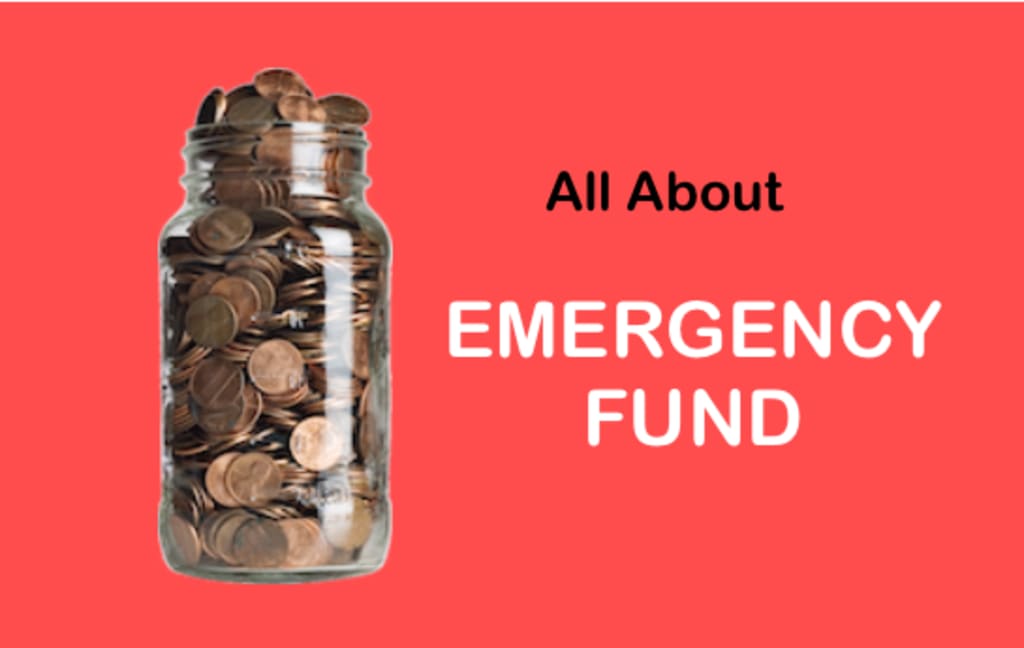
In an unpredictable world, having a robust emergency fund can be your financial lifeline. Whether it's unexpected medical expenses, a sudden job loss, or a major car repair, an emergency fund can help you weather the storm without derailing your financial goals. In this comprehensive guide, we'll walk you through the essential steps to build and maintain a strong emergency fund, ensuring you're prepared for life's unexpected twists.
**Why an Emergency Fund Matters**
An emergency fund is a designated savings account that provides a safety net during unforeseen circumstances. It offers financial security, reduces stress, and prevents you from resorting to high-interest loans or credit cards in times of crisis. By prioritizing an emergency fund, you're taking a proactive step towards achieving financial stability.
**Step 1: Set Clear Goals**
Start by defining your emergency fund goals. Aim to save at least three to six months' worth of living expenses. Calculate your monthly bills, groceries, utilities, and other essentials to determine the target amount. Having a specific goal in mind will keep you motivated and focused on building a substantial safety net.
**Step 2: Create a Budget**
To build your emergency fund, you need a solid financial plan. Craft a budget that outlines your income, expenses, and savings contributions. Identify areas where you can cut back and allocate those savings to your emergency fund. Utilize budgeting tools and apps to track your progress and ensure you're staying on course.
**Step 3: Start Small, Stay Consistent**
Begin by setting aside a small portion of your income for your emergency fund. Even a modest amount, consistently saved, will gradually grow over time. Set up automatic transfers to your emergency fund account to make saving effortless. Consistency is key to building a fund that can truly offer you peace of mind.
**Step 4: Open a Separate Account**
Separate your emergency fund from your regular savings to prevent accidental spending. Opt for a high-yield savings account that earns interest while keeping your funds easily accessible. Research different banks and compare interest rates to find the best option for your needs. An account specifically dedicated to emergencies ensures that you won't be tempted to use it for non-urgent purposes.
**Step 5: give precedence to Debt Management**
While building your emergency fund, address high-interest debts like credit cards and loans. Strive to strike a balance between debt repayment and emergency fund contributions. Once you've paid off high-interest debts, redirect those funds towards your emergency fund. This dual approach helps you manage debt while simultaneously building a safety net.
**Step 6: Embrace Windfalls Wisely**
Use unexpected windfalls, such as tax refunds or bonuses, to give your emergency fund a boost. While it can be tempting to splurge, remember that these windfalls are valuable opportunities to accelerate your financial security. Consider diverting a portion of windfall money into your emergency fund before treating yourself.
**Step 7: Stay Adaptable**
Life is full of surprises, so be prepared to adjust your emergency fund goals and contributions as circumstances change. Major life events like marriage, parenthood, or a new job may require you to reassess your fund's size and purpose. Flexibility ensures that your emergency fund remains relevant and effective throughout different life stages.
**Step 8: Protect Your Fund**
Reserve your emergency fund strictly for genuine emergencies. Avoid tapping into it for non-urgent expenses or discretionary spending. If you do use the fund, make replenishing it a top priority. Safeguarding your fund's integrity guarantees that it will be available when you truly need it.
**Step 9: Review and Reevaluate**
Regularly review your emergency fund progress and adjust your strategy as needed. As your income and expenses fluctuate, your emergency fund strategy may need to evolve. Aim to revisit your emergency fund plan at least once a year to ensure it remains aligned with your financial goals.
In conclusion, building an emergency fund is a vital component of a sound financial strategy. By following these steps and maintaining discipline, you'll create a safety net that provides peace of mind and empowers you to navigate life's unexpected challenges with confidence.
Remember, financial stability is an ongoing journey, and your emergency fund is a crucial part of that journey. Start today, and take control of your financial future.
About the Creator
Keep reading
More stories from Charan Teja and writers in Education and other communities.
"5 Smart Ways to Pay Off Your Student Loans Faster".
Are you among the countless individuals grappling with the weight of student loans? The prospect of repaying educational debt can be daunting, but fear not – there are savvy strategies you can employ to expedite the process. In this article, we'll unveil five intelligent methods to help you shed the burden of student loans swiftly, granting you financial independence sooner than you might think.
By Charan Teja2 years ago in Education
Built to Last: How Smart Leaders Design Businesses for Long-Term Sustainability
This understanding also encourages leaders to examine the relationship between profitability, responsibility, and long-term value creation. As they study emerging trends, they identify risks linked to resource depletion, regulatory changes, and shifting societal priorities. This recognition prompts them to act early and make decisions that balance economic performance with sustainable impact. As leaders adapt their vision to reflect these realities, they position their companies for steady growth in an unpredictable world.
By Alexander Schifterabout 19 hours ago in Education




Comments
There are no comments for this story
Be the first to respond and start the conversation.