
The Truth Behind What’s Really in Processed Foods That Will Shock You
What You’re Eating Isn’t What You Think

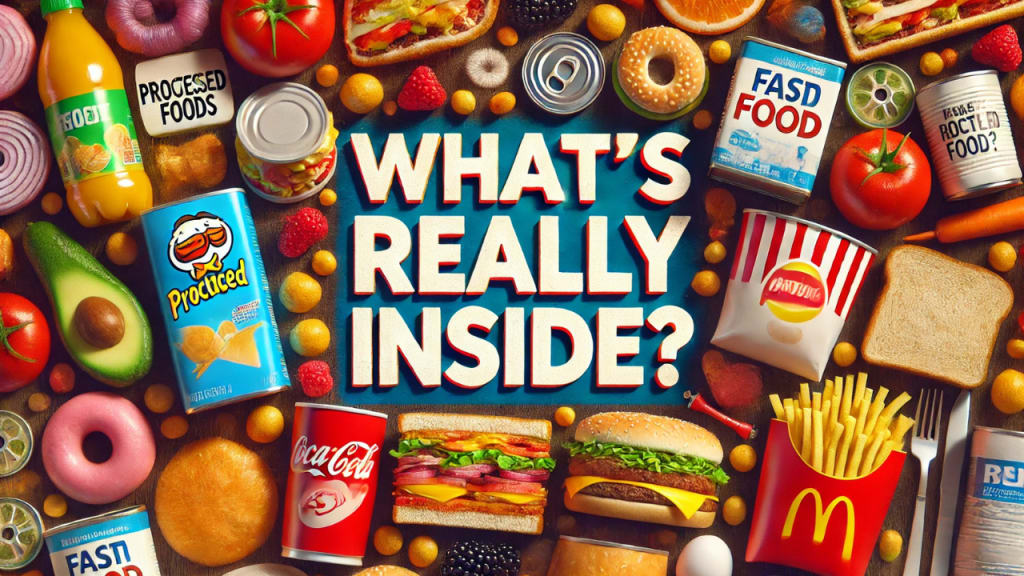
If you've ever glanced at the back of a food package and thought, “What in the world is that?”—you're not alone. Processed foods have become a staple in many people’s diets, but what exactly are we eating when we grab that quick meal or snack? You might think it’s just a bit of convenience, but there’s a lot more lurking inside those brightly colored boxes and bags than you might realize.
Today, we’re pulling back the curtain on processed foods. From sneaky preservatives to hidden sugars, we’ll expose the truth behind what’s really in processed foods—and trust us, it’s going to shock you. Ready? Let’s dive in!
1. The Sneaky Side of Preservatives: Why Are They in Your Food?
First up: preservatives. We’ve all heard about them, but why are they in nearly everything we eat? The answer is simple: shelf life. Without preservatives, the majority of processed foods would spoil within a few days or weeks, making them impractical for mass production. But while these chemicals may keep your food looking fresh, they might be causing more harm than good.
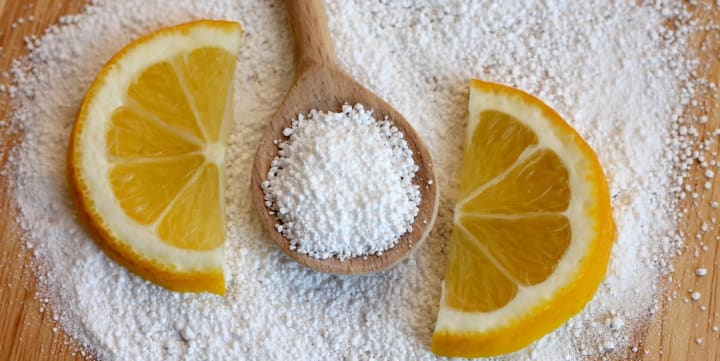
What’s Really Inside?: From sodium benzoate to BHA (butylated hydroxyanisole), these preservatives are designed to extend the life of your food by preventing bacterial growth and oxidation. Unfortunately, some of these preservatives have been linked to health issues, from allergies to potential carcinogenic effects. But don’t panic yet—many companies have started swapping out these chemical preservatives for more natural alternatives, like citric acid or rosemary extract. But before you get too comfortable, make sure to check the label!
2. Hidden Sugars: The Sweet Truth You Didn’t Know
Oh, sugar. It’s the sweet villain in the world of processed foods. We all know it’s bad for us, but what you don’t know might shock you. In processed foods, sugar doesn’t always come in the form of your standard white granules. Oh no—sugar loves to hide behind a myriad of names.
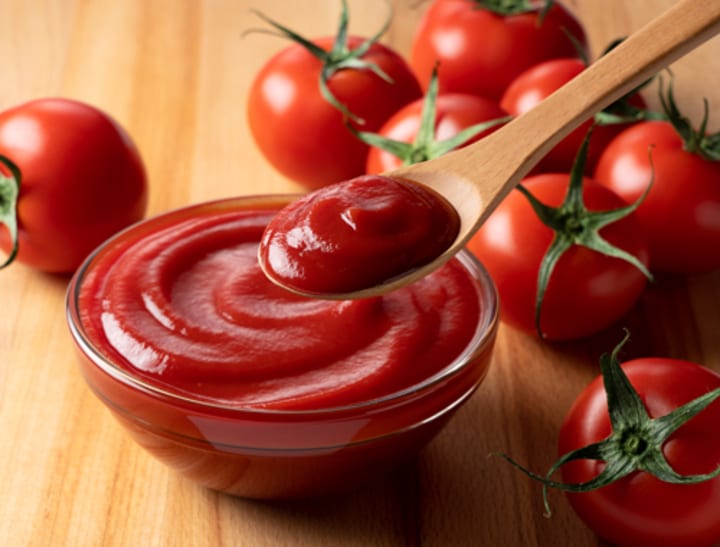
What’s Really Inside?: From high-fructose corn syrup (HFCS) to agave nectar, sugar sneaks its way into nearly every processed food. Even foods that aren’t traditionally sweet—like ketchup, bread, or salad dressing—can be loaded with sugar. The issue here isn’t just the extra calories, but the spike in blood sugar levels, which can lead to obesity, diabetes, and other chronic conditions. So next time you're reading a label, keep an eye out for any of the 56 different names for sugar. (Yes, 56!)
3. Artificial Flavors and Colors: Just What Are They Hiding?
If you’ve ever wondered why processed foods look so...well, perfect, the answer lies in artificial colors and flavors. Those vibrant yellows, reds, and blues that make chips and candies look like they were painted by an artist? Yeah, they’re not natural.
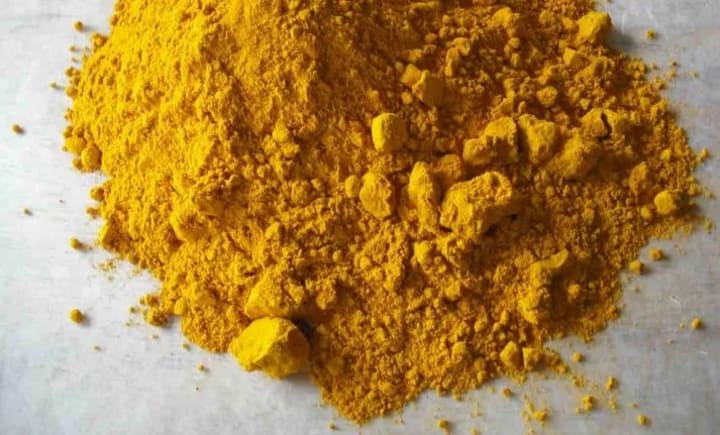
What’s Really Inside?: Artificial flavors and colors are synthetic compounds used to make food look and taste better. From Yellow 5 to Red 40, these dyes are responsible for making your food look as appetizing as it does. However, some of these artificial ingredients have been linked to allergies, hyperactivity in children, and even cancer in animal studies. So, while the food may look great, those bright colors might be hiding a darker truth.
4. The Hidden Fats: Trans Fats and Their Sneaky Ways
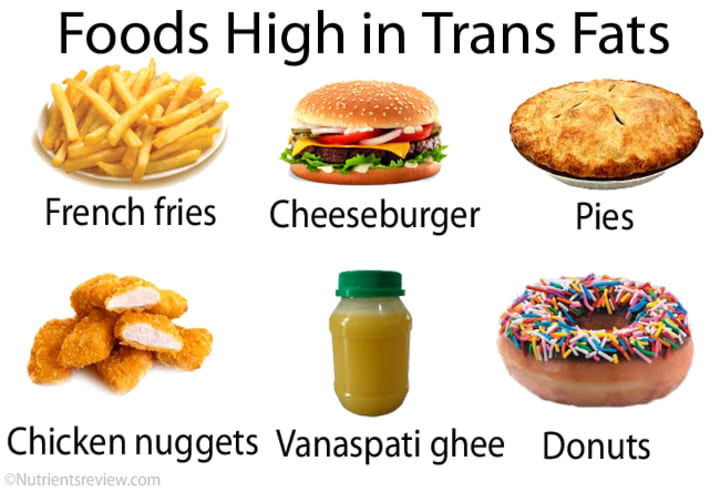
If you’ve heard of trans fats, you know they’re bad. But did you know how incredibly sneaky they can be in processed foods? Trans fats are a type of unsaturated fat that’s been chemically altered to stay solid at room temperature. The bad news? They're linked to heart disease, diabetes, and high cholesterol.
What’s Really Inside?: Trans fats show up in everything from baked goods to microwave popcorn. They’re used in processed foods because they’re cheap, help foods last longer, and provide a satisfying texture. However, these fats are bad news for your arteries. Luckily, many food manufacturers have started phasing out trans fats in favor of healthier alternatives, but they’re still lurking in a lot of your favorite processed snacks.
5. The Truth About Salt: How Much Is Too Much?
Salt—there’s a good chance you’re getting way more than you think. Processed foods are notorious for being packed with salt, and it’s not just for flavor. Salt acts as a preservative and a flavor enhancer, which is why it’s in everything from canned soups to frozen meals.
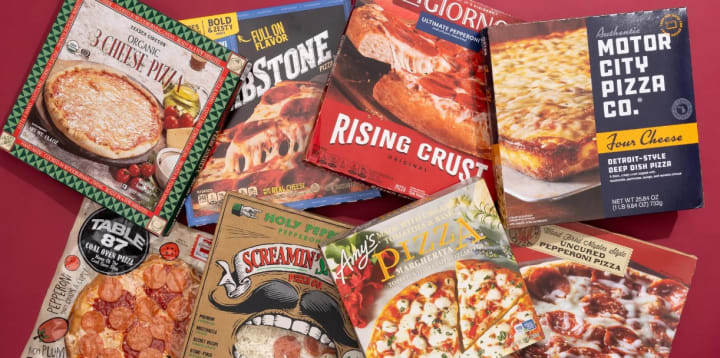
What’s Really Inside?: A can of soup, a box of frozen pizza, and even your favorite breakfast cereal can be loaded with salt. The problem with too much sodium? It can lead to high blood pressure, heart disease, and stroke. In fact, processed foods are one of the largest sources of salt in the average diet. So, if you’re eating processed food regularly, there’s a good chance you're getting more sodium than your body needs. Check your labels—and try to keep your sodium intake in check!
6. The Deceptive ‘Health Halo’ Effect
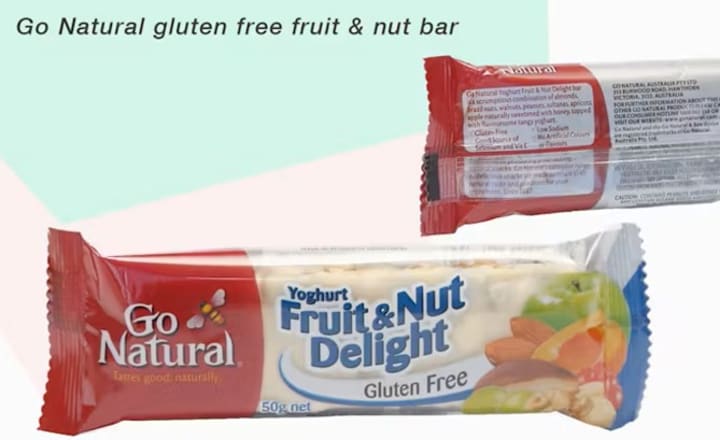
You’ve seen the labels: “Gluten-free,” “Low-fat,” “All-natural.” They all sound great, right? But here's the thing—just because a product has a health claim doesn’t necessarily mean it’s as healthy as you think.
What’s Really Inside?: Many processed foods use these labels to give the impression that they’re healthier options, when in reality, they’re packed with the same unhealthy ingredients we’ve already talked about. For example, a product labeled “low-fat” might be loaded with sugar, and “gluten-free” might mean more refined grains or preservatives. It’s always important to dig deeper than the marketing and check the ingredient list. Just because a product says it’s “healthy” doesn’t always make it true.
7. The Growing Concern of GMOs: Are They Safe?
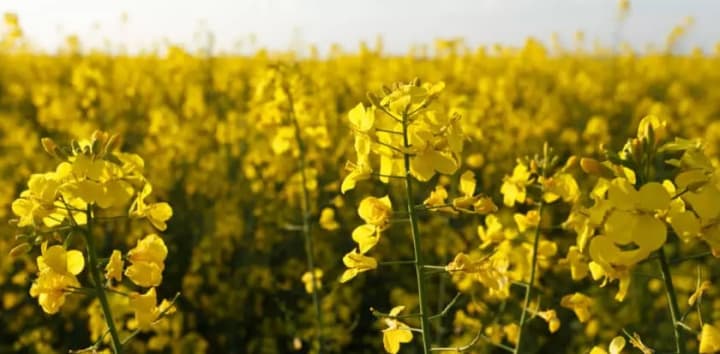
Genetically Modified Organisms (GMOs) have been a hot topic for years, and with good reason. Many processed foods contain ingredients made from genetically modified crops—corn, soy, and canola, to name a few. While GMOs have been shown to increase crop yields and resistance to pests, the long-term health effects of consuming them are still debated.
What’s Really Inside?: GMO ingredients are found in everything from breakfast cereals to snack bars. While some studies suggest GMOs are safe to eat, others warn about potential health risks, including allergies and antibiotic resistance. So, if you're concerned about GMOs, you may want to seek out foods labeled "Non-GMO" or "Organic."
8. The Hidden Dangers of ‘Low-Calorie’ and ‘Diet’ Foods
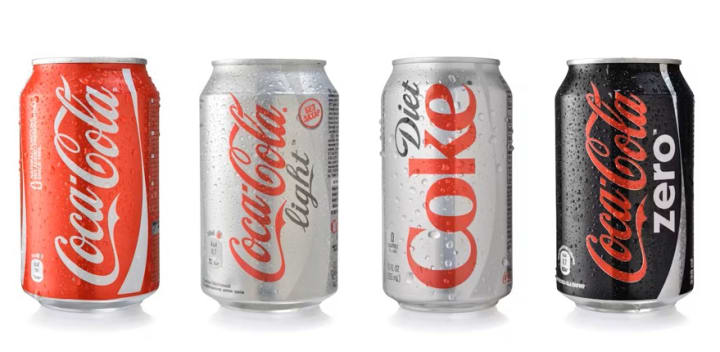
Low-calorie and diet foods are marketed as healthier alternatives to regular processed foods. But here's the thing—just because a food is low-calorie doesn’t necessarily make it healthy. In fact, many of these products are packed with artificial sweeteners, sugar alcohols, and other chemicals that can wreak havoc on your body.
What’s Really Inside?: Diet sodas, low-calorie snacks, and sugar-free treats often contain sweeteners like aspartame, sucralose, and stevia. While they’re lower in calories, these sweeteners can cause digestive issues, headaches, and even increase cravings for sweet foods. The bottom line? Low-calorie doesn’t always mean healthy. Always check the ingredients!
9. The Big Question: Is Processed Food Really That Bad?
Okay, let’s take a deep breath. We’ve talked about a lot of scary stuff when it comes to processed foods. But are they really all that bad? The answer is a little more nuanced. While many processed foods are packed with unhealthy ingredients, not all processed foods are created equal. Some processed foods, like frozen vegetables or canned beans, can be part of a healthy diet. It’s all about balance and making informed choices.
What’s Really Inside?: The key is moderation. While it’s tempting to rely on processed foods for convenience, it’s important to read labels, avoid excessive sugar, sodium, and unhealthy fats, and opt for healthier alternatives when possible. And hey, if you can cook from scratch—more power to you!
How harmful can ultra-processed foods be for us? - BBC News
Conclusion: The Bottom Line on Processed Foods
Processed foods are here to stay, but the truth behind them might make you rethink your next snack. From hidden sugars to sneaky preservatives, processed foods often contain more than you bargained for. But by becoming a label detective and making informed choices, you can navigate the world of processed foods without sacrificing your health. So, next time you pick up a processed meal, take a closer look—it might just shock you!
About the Creator
Keep reading
More stories from Marveline Merab and writers in Education and other communities.
Top 10 Biggest Towns in Kenya by Population and Size (2025)
Kenya is a country rich in culture, commerce, and diversity — and its towns reflect that perfectly. From the bustling streets of Nairobi to the serene shores of Kisumu, Kenya’s urban centers are growing rapidly, shaping the economic and cultural future of the nation.
By Marveline Merab8 months ago in Education
Top 10 SEO Experts In Pakistan In 2026
Introduction Search optimization in 2026 no longer revolves around keywords or isolated ranking tactics. Google’s AI Overviews, entity-based indexing, and answer-first systems have changed how visibility is earned. Search engines now evaluate meaning, credibility, and contextual authority rather than mechanical signals.
By Sajid Ali Shara day ago in Education
Colors and Such
Before I retired in 2020, I worked as a Nursing instructor in one of the nation's largest community colleges. It was a job I thoroughly enjoyed for fifteen years because I had a heart for the students and genuinely wanted to invest in them and their futures.
By Shirley Belk3 days ago in Education



Comments (1)
Wow very interesting good work Thank You ♦️♦️♦️♦️♦️✍️🏆🏆🏆🏆🏆