
The Top Mistakes to Avoid When Hosting a Virtual Event
Key Considerations for Virtual Summit Planning


Introduction
Virtual summits are all the rage these days! Whether you're a coach, content creator, teacher, business, or just an individual, they're a cool way to connect and share your knowledge with the world.
But, hold up! Planning a virtual summit isn't as easy as it seems. Trust me, there are some major pitfalls you don't want to fall into.
That's why I wrote a blog all about the 10 common mistakes to avoid when planning your virtual summit. No need to stress, I've got you covered. With this info, you'll be able to plan a virtual summit that's totally awesome, super informative, and a big success!
Mistake #1: Not Clearly Defining the Purpose and Goals of the Summit

Okay, here's the deal: one of the most crucial steps when planning a virtual summit is figuring out exactly what it's all about.
You need to know why you're holding the summit and what you want to get out of it. This will help guide all your other decisions, like who to invite as speakers, what content to create, and how to promote the event.
For example, if your summit is all about teaching people about a certain topic, then your content, speakers, and marketing should all reflect that. And if you want to generate leads for your biz, then you gotta structure the summit and promote it in a way that gets people to take action.
Here's a few tips for nailing down the purpose and goals:
- Know your main objective
- Figure out who your target audience is
- Decide on the main topics you'll cover
- Set a goal (like more sales or more brand recognition)
With all that, you can craft a short and sweet statement that sums up what your virtual summit is all about.
By making sure you have a clear purpose and goals, your virtual summit will be on track to be a total success!
Mistake #2: Not Having a Strong Speaker Lineup

Speakers are a huge deal when it comes to virtual summits. Attendees decide to join based on who's speaking, so it's key to pick pros in the biz who bring valuable insights and info to the table.
Diversity is also a plus! Having a variety of speakers with different backgrounds and perspectives makes for a way more exciting and engaging event.
But, it's not just about having big names or industry leaders. The speakers gotta fit the theme of the summit and be able to connect with attendees.
Here's some tips for picking the perfect speakers:
- Do your research and find the best fit for the topic
- Look for speakers who are knowledgeable and passionate about the subject
- Make sure there's diversity among speakers
- Set clear expectations and provide support for the speakers
- Stay in touch and keep communication open
By putting in the effort to choose the right speakers who bring the goods, you're setting your virtual summit up for success.
Mistake #3: Not Marketing the Summit Effectively

Promoting your virtual summit is key to its success. Without getting the word out, attendance will suffer and your event might not reach its full potential.
To get the right peeps in the virtual room, it's crucial to understand your target audience and craft a strategy to reach them. This could mean using a mix of marketing tactics like affiliate marketing, social media, email campaigns, and paid ads.
It's also important to build excitement around the summit by highlighting what makes it unique and what attendees can expect to get out of it. But don't go over the top with promises - keep it real and avoid disappointment.
Here's what to keep in mind when putting together your marketing plan:
- Know your target audience
- Determine the most effective marketing channels for that audience
- Create buzz and excitement around the event
- Use a variety of marketing channels to reach your target audience
- Keep the messaging clear and consistent, and avoid over-promising
By following these tips, you'll be able to reach the right people and deliver a killer virtual summit.
Mistake #4: Not Providing Quality Content

Creating top-notch content is a must for any virtual summit. Your audience shows up with high expectations for gaining valuable knowledge and information that can help in their personal or professional lives. It's your job to meet and exceed those expectations!
But let's be real, creating quality content for a virtual event can be tough. You gotta make sure it's interesting, on-topic, and packed with information that aligns with the summit's purpose and goals. And don't forget about your audience's attention span! Keep things snappy, with concise presentations, interactive sessions, Q&A, and panel discussions.
Here are some tips to help create and deliver engaging content:
- Research topics and themes that align with the summit's purpose and goals
- Figure out the key takeaways and learning objectives for each session
- Make sessions interactive and engaging
- Encourage Q&A and networking opportunities
- Give attendees resources and materials to reference after the summit.
By delivering high-quality, actionable, and engaging content, you'll create a virtual summit that wows your audience and earns you positive feedback and glowing reviews.
Mistake #5: Not Providing Opportunities for Networking and Interaction

Networking and making connections are big reasons why people attend summits, whether it's in person or virtual. Folks want to meet other pros in their field, learn from experts, and bounce ideas off each other. But making that happen in a virtual setting can be a bit tricky.
That's why it's important to plan ways for attendees to connect and interact, like virtual networking sessions, Q&A with a social twist, and chat rooms. And don't forget to make sure the tech and platform you use have the right features to make it happen.
Here are some tips to help you create opportunities for networking and interaction:
- Include interactive elements like Q&A, chat rooms, and virtual networking sessions
- Encourage attendees to introduce themselves and share contact info
- Give folks a chance to connect with speakers and other attendees
- Make sure your tech and platform can facilitate interaction and networking
By making it easy for attendees to network and interact, you'll create a sense of community that'll make their experience at the virtual summit memorable and fulfilling.
Mistake #6: Not Having a Strong Technical Setup

Making sure your virtual summit has a solid tech setup is super important. A well-designed site and a smooth technical experience make all the difference for attendees, who should be able to easily access and engage with your content without any hiccups.
Trust me, technical difficulties can be a total bummer and ruin the whole experience.
So, make sure the platform you're using is reliable and user-friendly. It should also have all the features you need to reach your summit goals, like the ability to handle a ton of attendees or the option for interactive Q&A sessions. Zoom is a great choice for these types of features.
And with most people nowadays checking out content on their phones, it's crucial to make sure your content is accessible on different devices and browsers. Do a dry run before the summit to iron out any technical kinks. And don't forget to provide tech support during the event!
Here are a few tips to make sure everything runs smoothly:
- Do a dry run before the summit
- Choose a platform that can handle a lot of attendees
- Pick a platform with all the features you need to reach your goals
- Offer tech support during the event
- Make sure your content is accessible on different devices and browsers
Personally, I've built summit sites on a few platforms, and right now I'm loving Groove. It's an all-in-one platform that lets you build your landing and sales pages, automate speaker presentations, handle checkouts and affiliates, set up email sequences, create membership areas, and more.
You can even test drive Groove by clicking here.
By making sure your tech setup is on point, you can create a virtual summit that runs smoothly and gives your attendees a positive experience.
Mistake #7: Not Providing Enough Support for Attendees

Providing support to your attendees is a big deal when it comes to putting together a virtual summit. People may have questions or need a helping hand with different parts of the event, like accessing content, networking or fixing tech glitches.
So, you want to have a plan for offering support before, during and after the event. This could mean having a support team in place or a go-to person for attendees to reach out to.
When I used to host summits, I was the one attendees could contact with any problems that popped up. And that wasn't a big deal because I always built the site using a stable platform.
It's also smart to have a FAQ section on your summit website and give clear instructions for attendees to access and participate in the event.
Here are some tips for giving top-notch support to attendees:
- Have a dedicated support team or a single point of contact
- Give clear instructions on how to access and engage with the summit's content
- Set up a FAQ section on the summit website
- Offer technical support during the event
- Encourage attendees to reach out if they need anything
By taking care of your attendees, you'll make sure they have a positive experience and can fully immerse themselves in the summit's content.
Mistake #8: Not Following Up with Attendees

Staying in touch with attendees after a virtual summit is key to its success. Not only does it give you a chance to hear their thoughts, but it also keeps the connection going and lets you keep providing value even after the summit is over.
But reaching out to a lot of attendees can be tricky. That's why you need a solid plan for following up, like sending a survey, holding a post-summit Q&A, or sending a follow-up email. And don't forget to use the data you gathered during the summit to personalize your follow-up.
Here are some tips for a successful follow-up plan:
- Send a survey
- Hold a post-summit Q&A
- Send a follow-up email
- Personalize with data from the summit
- Encourage attendees to keep engaging with summit content and resources
By following up, you can gather important feedback, keep the connection going, and keep providing value long after the summit ends. Plus, it's a chance to keep monetizing your list by sending relevant offers every now and then.
Mistake #9: Not Being Flexible and Adaptable

Virtual summits are a new thing, and the world of virtual events is still figuring itself out. So, it's important to stay flexible and ready to roll with the punches. Unexpected challenges can pop up, so you gotta be ready to handle them.
For instance, attendees might face tech issues, speakers could cancel last minute, or something might change in the market that affects the summit's content. To make sure everything runs smoothly, you need to be able to quickly address these problems and make changes if needed.
Here's how to stay flexible:
- Have backup plans in case something goes wrong
- Be open to feedback and willing to make changes
- Be prepared to adjust the agenda or format if needed
- Be proactive about spotting potential challenges and finding solutions
By being flexible and adaptable, you can make sure your virtual summit is a success, no matter what challenges come your way.
Misktake #10: Not Measuring and Analyzing Results

Wanna know if your virtual summit was a hit?
Measure and analyze, baby!
It's key to figuring out what worked and what didn't. You'll wanna track key stats like sign-ups, attendance, engagement, and sales. But don't just look at the numbers. Gather feedback from attendees, check out testimonials, and see what's being said on social media. This will give you a better idea of how the summit was perceived by attendees.
Here are some tips for getting the most out of your results:
- Track attendance, engagement, sales, and satisfaction
- Collect qualitative data, like attendee feedback and testimonials
- See what worked and what didn't
- Use the insights to make better decisions for future events
- Share the results with your team and stakeholders
By measuring and analyzing your virtual summit results, you'll know how successful the event was and what changes you can make for next time.
Conclusion
Virtual summits are a great way to connect with a global audience, but planning one can be tricky. That's why I put together a list of 10 common mistakes to steer clear of when planning your virtual summit.
From lackluster content to technical glitches, these are the pitfalls you don't want to fall into.
By avoiding these mistakes, you'll be well on your way to putting together a top-notch virtual summit that people will love.
Feeling ready to make your virtual summit a huge success?
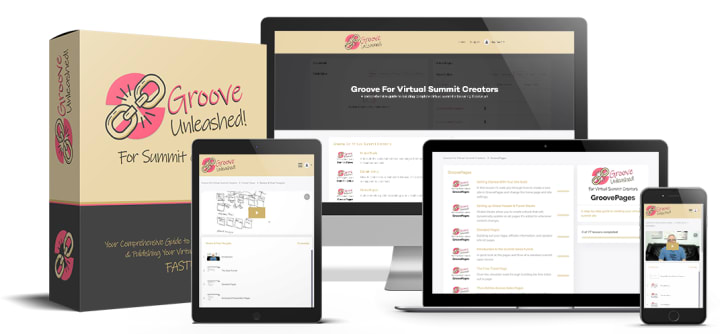
Ready to level up your virtual summit game? Look no further! Our "Groove for Virtual Summit Creators" online course has got you covered.
Learn from an experienced virtual summit host, Tim Cooper, as he walks you through the ins and outs of building high-converting virtual summit sites from start to finish.
You'll get lifetime access to easy-to-follow training videos, resources, templates, and page layouts that'll make creating a professional virtual summit site a breeze.
No more pitfalls holding you back!
Click here to enroll today and start building the virtual summit of your dreams.
About the Creator
Keep reading
More stories from Tim Cooper and writers in Education and other communities.
Colors and Such
Before I retired in 2020, I worked as a Nursing instructor in one of the nation's largest community colleges. It was a job I thoroughly enjoyed for fifteen years because I had a heart for the students and genuinely wanted to invest in them and their futures.
By Shirley Belka day ago in Education
Decoding the Rise and Fall of Global Commodity Markets
Commodity markets have always moved in waves, rising and falling in response to forces that stretch far beyond daily trading activity. These movements can appear chaotic on the surface, yet beneath the volatility lies a structure shaped by economics, human behavior, and long-term investment patterns. From energy and metals to agricultural products, commodities follow cycles that repeat over time, although never in the same way. Understanding these cycles offers clarity in markets often seen as unpredictable.
By Anthony Blumberg4 days ago in Education




Comments
There are no comments for this story
Be the first to respond and start the conversation.