


The Taj Mahal is one of the most iconic monuments in the world.
The design of Taj Mahal is a blend of Islamic, Persian, and Indian architectural styles.
Taj Mahal's white marble changes color at different times of the day and in different seasons.
Taj Mahal's main dome is 73 meters high and is surrounded by four smaller domes.
Taj Mahal's construction cost was estimated to be around 32 million rupees during the Mughal era.
The marble used in Taj Mahal's construction was transported from Makrana in Rajasthan, India.
Taj Mahal's interior chambers are adorned with intricate calligraphy and floral motifs.
The construction of the Taj Mahal began in 1632 and took over 20 years to complete.
Visitors are not allowed to wear shoes inside the Taj Mahal to preserve the marble floors.
The white marble used in the construction of the Taj Mahal was brought from Makrana, Rajasthan.
The Taj Mahal is located in Agra, Uttar Pradesh, India.
The construction of the Taj Mahal began in 1632 and was completed in 1653.
The complex also includes a mosque and a guest house made of red sandstone.
The Taj Mahal has been the subject of many poems, songs, and works of art.
The Taj Mahal attracts millions of tourists from all over the world every year.
In 1983, the Taj Mahal was declared a UNESCO World Heritage Site for its cultural significance.
About the Creator
mohd seraj
The Taj Mahal, considered a symbol of love, is one of the seven wonders.
Keep reading
More stories from mohd seraj and writers in Education and other communities.
KULLU (MANALI)
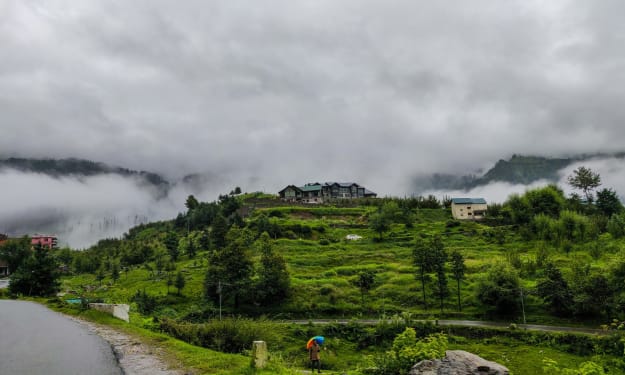
Manali is a wonderful place in India, (Tourist Palaces). That's correct! Manali is a beautiful and popular hill station located in the Kullu district of Himachal Pradesh, India. It is situated at an altitude of 1,950 meters and is known for its scenic beauty, adventure sports, and ancient temples. The town is also famous for its apple orchards, handloom shawls, and handicrafts. Manali is well-connected to the rest of India through road, rail, and air transport, and is a popular tourist destination throughout the year. Its proximity to Leh, Lahaul, and Spiti districts make it a popular base camp for trekking and mountaineering expeditions in the region.
By mohd seraj3 years ago in Education
AI-Driven Drug Discovery: Transforming the Future of Medical Innovation
Developing new medicines has long been one of the most challenging and resource-intensive processes in the healthcare industry. The traditional drug discovery pipeline often involves years of laboratory experiments, extensive data analysis, and multiple stages of clinical trials. Despite these efforts, the majority of potential drug candidates fail before reaching the market. This high rate of failure makes drug development both costly and time-consuming, limiting the speed at which new treatments become available to patients.
By Abba Leffler2 days ago in Education
5 AI Side Hustles You Can Start in 2026 to Make Money Online
Artificial intelligence isn’t just a buzzword—it’s a goldmine for anyone looking to start a side hustle or make extra income online. In 2026, AI tools are more accessible than ever, allowing individuals to automate tasks, create digital products, and provide services that were previously time-consuming or expensive.
By Majus Jasulaitisa day ago in Education
Guard Your Battery
Why are some people so attractive just by standing there? It’s not because they are "likable," but because they don’t need everyone to like them. I realized later that truly charismatic people allow themselves to be criticized, but they never criticize themselves. They never try to please the world; instead, the world stops to watch them.
By Emily Chan - Life and love sharing7 days ago in Poets


Comments
There are no comments for this story
Be the first to respond and start the conversation.