
The Swedish Memory Improvement Sector: Techniques, Champions and Pathways to Enhanced Recall
How To Improve Your Memory In Sweden

1. Introduction: The Landscape of Memory Improvement in Sweden
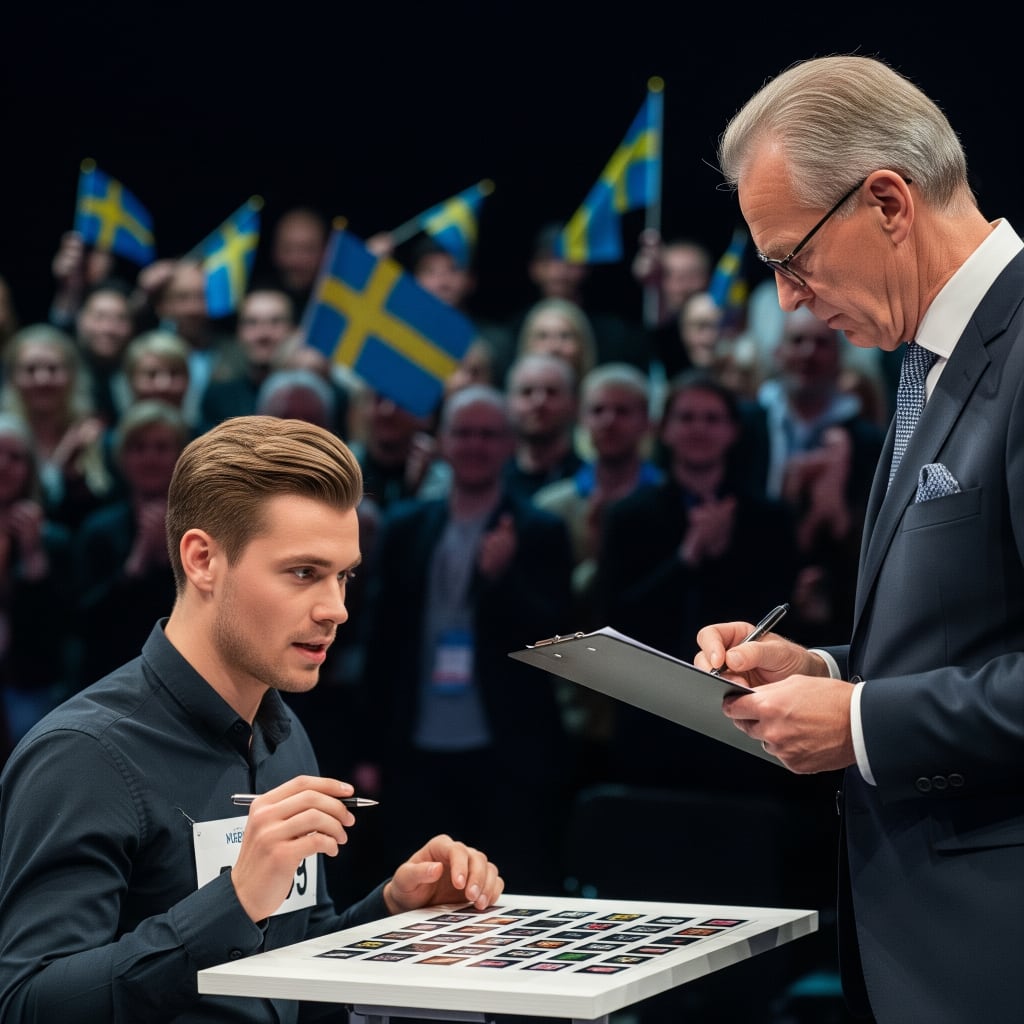
The capacity to effectively learn, retain, and recall information is an invaluable asset in contemporary society. Strong memory skills are fundamental to academic achievement, professional excellence, and enriched daily living. In the global landscape of cognitive enhancement and memory sports, Sweden has emerged as a nation with a significant and dynamic presence. The country has not only produced world-renowned memory champions and innovative educators but has also positioned itself as a host for prestigious international memory competitions, underscoring its commitment to advancing the field. For instance, the city of Lund was selected to host the International Association of Memory (IAM) World Memory Championships in November 2024, an event that attracts the sharpest minds globally and showcases extraordinary mnemonic capabilities.1 This engagement signifies more than individual triumphs; it points towards a broader cultural interest in cognitive development and a national ecosystem supportive of memory improvement.
The prominence of Swedish figures in memory sports and education is often accompanied by a message that these advanced cognitive skills are not merely innate talents but are accessible through dedicated training and the application of specific techniques. This perspective, championed by leading Swedish memory experts, serves to democratize the field, encouraging wider public participation and fostering the growth of the memory improvement sector.4 It suggests a systemic effort within Sweden to not only achieve competitive excellence but also to disseminate knowledge and practical strategies for cognitive enhancement to a broader audience.
This report aims to provide a comprehensive overview of the memory improvement sector in Sweden. It will delve into the profiles of leading Swedish memory champions and educators, explore the dominant memory techniques they employ and teach, and examine the evolution of these methods. Furthermore, the report will highlight resources available for individuals seeking to enhance their memory, including courses, educational programs, and influential books. The role of memory championships in fostering talent and the increasing integration of technology in memory training will also be analyzed. In line with the specific focus requested, this report will concentrate on techniques for improving memory for tasks such as memorizing lists, studying for examinations, and supporting professionals in careers where a robust memory is essential, explicitly excluding nutritional interventions or consumable products.
2. Sweden's Memory Champions: Masters of Recall
Sweden boasts a remarkable cohort of individuals who have achieved national and international acclaim in the world of memory sports. These athletes not only demonstrate prodigious recall abilities but many have also become influential educators, authors, and innovators, significantly shaping the landscape of memory improvement in the country and beyond.
Identifying Sweden's Top Memory Champion (Current Year):
The most recent Swedish Memory Championship (SM i Minne) for which results are available is the SM 2021, where Martin Nilsson secured the title of Swedish Champion.1 The national championships are not always held annually. The IAM World Memory Championship was held in Lund, Sweden, in November 2024.1 In this prestigious international event, the overall winner was Enrico Marraffa of Italy.2 Notably, French-Swedish competitor Sylvain Arvidieu achieved the silver medal, making him the highest-ranking individual with Swedish affiliation in that specific world championship.2 Emma Andersson also secured a medal for Sweden in an individual discipline at this event.2 Thus, the "top Swedish memory champion" can be viewed through the lens of the latest national champion, Martin Nilsson (2021), or the highest-performing Swede in a recent major international event held on home soil, Sylvain Arvidieu (2024).
Profiles of Prominent Swedish Memory Athletes and Educators:
Several Swedish individuals have made indelible marks on the memory sports scene and in memory education. Their careers often illustrate a path from personal mastery of memory techniques to a broader mission of sharing this knowledge.
Jonas von Essen: A highly distinguished figure, Baron Jonas von Essen is a two-time World Memory Champion, securing victories in 2013 and 2014.5 His public demonstrations of memory power are legendary, including memorizing the names of an entire 500-person audience during an appearance on the television show "Talang," and recalling an astounding 24,063 digits of Pi, a European record.4 Beyond competitive achievements, von Essen is a co-founder of memoryOS, an educational technology startup dedicated to developing memory improvement software.8 He has also authored books on memory techniques, including one specifically for schoolchildren, emphasizing that these skills are learnable, a belief rooted in his own journey from an ordinary memory to world-class recall after discovering memory improvement literature.4 His narrative of transformation is a powerful testament to the efficacy of learned memory strategies.
Idriz "Minnet" Zogaj: A five-time Swedish Memory Champion and silver medalist in SM 2021, Idriz Zogaj is a central figure in the Swedish memory community.1 He is the founder and chairman of the Swedish Memory Council (Svenska Minnesförbundet), the organization responsible for promoting memory sports and organizing championships in Sweden.11 Zogaj also coached the Swedish national memory team to a gold medal victory at the World Memory Championships in 2014.11 His contributions extend to authorship, with books like "Minnets ABC" and the children's series "Minnessagor," and app development, including Zogaj Memo Gym, Memotopia, and contributions to Remente.11 Significantly, Zogaj collaborates with Umeå University on research into brain health and memory and developed the "Loci" app specifically for research purposes.11 His widely viewed TEDx talk and lectures for corporations further highlight his commitment to making memory training accessible and applicable in various contexts, with a vision for it to be taught in schools.11
Martin Nilsson: The reigning Swedish Memory Champion from both SM 2019 and SM 2021, Martin Nilsson is also a dedicated teacher of memory techniques and an author.1 Like von Essen, he has showcased his abilities on "Talang," famously memorizing an entire daily newspaper.17 Nilsson played a key role in organizing the 2024 World Memory Championship in Lund.2 His background as an educator directly informs his pedagogical approach, making complex techniques like the Memory Palace engaging and effective for students.18 His participation in a demonstration at the WMC Lund 2024, involving AI and machine learning to interpret his thoughts during memory tasks, points to his engagement with cutting-edge explorations in the field.6
Mattias Ribbing: An International Grand Master of Memory and multiple Swedish Memory Champion, Mattias Ribbing is a prolific author and sought-after speaker.19 His books, such as "Maths Unwrapped" and "Vägen till mästarminne" (The Road to a Master Memory), focus on practical brain training, learning, and performance enhancement.19 Ribbing has delivered lectures and training to prestigious organizations worldwide, including Harvard Business School and Google, emphasizing visualization, understanding, and stress reduction as integral components of memory improvement.19 He also offers online memory training courses, making his expertise broadly available.20
Emma Andersson: A rising star in Swedish memory sports, Emma Andersson secured her first adult World Memory Championship medal in Lund 2024.2 Previously, she was a junior gold medalist at the WMC in Singapore and achieved the title of International Master of Memory (IMM).7 She holds Swedish records in disciplines such as memorizing pictures and historic dates.7
Marwin Wallonius: Known for previous international successes, including setting world records (e.g., 520 digits in 5 minutes) and winning medals at World Memory Championships, Wallonius has been a key member of successful Swedish national teams.7
Sylvain Arvidieu: A French-Swedish athlete, Arvidieu made a significant impact by winning the silver medal at the IAM World Memory Championship in Lund in 2024, representing a strong Swedish presence at the top tier of international competition.2
The careers of these individuals demonstrate a pattern: competitive success often serves as a springboard for educational and entrepreneurial endeavors. This transition from athlete to educator or innovator creates a valuable cycle of knowledge dissemination, where proven techniques are refined, taught, and made accessible through various mediums, including books, lectures, and technology. Furthermore, the Swedish memory community exhibits a strong organizational and collaborative spirit. Figures like Idriz Zogaj and Martin Nilsson are not only top competitors but also pivotal organizers of major national and international events.2 This collective effort is vital for maintaining a robust national infrastructure for memory sports and for successfully hosting large-scale championships. The diverse backgrounds of these champions, such as Martin Nilsson's role as a teacher, often enrich their methods of popularizing memory techniques, making them more relatable and directly applicable to practical learning scenarios, thereby fostering an education-focused evolution of the field in Sweden.
3. Dominant Memory Improvement Techniques in Sweden
The remarkable achievements of Swedish memory athletes and the teachings of its prominent educators are rooted in a set of powerful and often ancient memory techniques. These methods, while not exclusive to Sweden, are actively utilized, refined, and disseminated within the country's memory improvement sector. The trend is towards not only mastering these techniques for competitive purposes but also adapting them for everyday learning, professional development, and overall cognitive enhancement, often amplified by modern technology.
Core Techniques Utilized by Champions and Experts:
A repertoire of well-established mnemonic strategies forms the backbone of memory training in Sweden.
The Method of Loci (Memory Palace): This is arguably the most renowned and powerful technique. It involves creating a mental journey through a familiar location (e.g., one's house, a regular commute) and associating pieces of information to be remembered with specific points or "loci" along this journey.25 Martin Nilsson effectively teaches this method, transforming abstract information into vivid, memorable scenes within a mental palace, making learning more engaging.18 Jonas von Essen is also a proficient user of this technique.10 The memoryOS application, co-founded by von Essen, heavily features "Virtual Mind Palaces" as a core component of its training.26 Idriz Zogaj has discussed its application, noting that some competitors excel using purely imaginary palaces, and his "Loci" app is used in academic research on memory training.13
Visualization: This technique involves creating strong, vivid, and often unusual mental images to represent the information one wishes to memorize.25 The more distinctive and emotionally resonant the image, the more likely it is to be recalled. Mattias Ribbing places significant emphasis on remembering through visualization and fostering deep understanding of the material.21 His book "Maths Unwrapped," for example, employs visualization to make mathematical concepts more tangible and memorable.23 Jonas von Essen's descriptions of using imagery like "chin-bouncing mini-kangaroos" illustrate the highly imaginative and effective nature of this technique.31
Linking and Association: This method involves creating connections between new pieces of information and existing knowledge, or forging a chain of associations between a list of items to be memorized.25 For instance, when remembering names, one might associate a person's facial feature with an image that sounds like their name.27
Storytelling: Weaving disparate pieces of information into a coherent and engaging narrative can significantly improve recall.27 The Memory Palace itself can evolve into a story-like structure where one mentally "shows people around".18
Mnemonics: This is an umbrella term for various memory aids. The techniques listed above, such as the Method of Loci and visualization, are sophisticated forms of mnemonics. Simpler mnemonics include acronyms (e.g., ROY G. BIV for the colors of the rainbow) and rhymes.25
Chunking: This involves breaking down large volumes of information into smaller, more manageable segments or "chunks".25 For example, a long string of numbers is easier to remember if grouped into sets of three or four digits.
Active Recall and Self-Testing: Instead of passively rereading material, active recall involves deliberately trying to retrieve information from memory, for instance, by quizzing oneself.25 This process strengthens neural pathways associated with the information.
Spaced Repetition: This scientifically-backed technique involves reviewing learned material at increasing intervals over time.28 This method combats the natural forgetting curve and helps transfer information into long-term memory. Software like Anki and apps like memoryOS incorporate spaced repetition algorithms.28
Understanding as a Foundation: A crucial element, particularly emphasized by educators like Mattias Ribbing, is that true, lasting memory, especially for complex subjects like mathematics, is built upon genuine understanding rather than mere rote memorization.21 Mnemonics are tools to organize and retrieve understood information, not substitutes for comprehension.
Evolution and Trends in Memory Methods:
The application and teaching of memory techniques in Sweden are not static. There is a discernible evolution towards deeper integration with learning principles and broader accessibility.
A notable trend, championed by educators like Mattias Ribbing, is the shift from rote memorization to understanding-based recall. This involves ensuring a thorough comprehension of material before applying mnemonic strategies, leading to more meaningful and durable learning.21 This maturation of the field moves beyond impressive memory feats to focus on genuine knowledge acquisition.
There is an increasing emphasis on the integration of memory techniques into daily life and professional skills. Experts like Idriz Zogaj and Mattias Ribbing actively promote the practical application of these methods for everyday challenges such as remembering names, learning languages, delivering presentations, and managing information overload in academic and professional settings.11
The democratization of advanced memory techniques through technology is a significant development. The creation of user-friendly apps such as memoryOS, Zogaj Memo Gym, and various online courses makes sophisticated training methods more accessible to a wider audience than ever before.8
A growing connection with scientific validation and research is also apparent. The involvement of figures like Idriz Zogaj with Umeå University in memory research, and the origins of the Cogmed program in neuroscience research at the Karolinska Institute, indicate a trend towards grounding memory training in scientific evidence and utilizing technology as a tool for investigation.11 This suggests a move towards an evidence-based approach that could lead to further refinement and innovation in memory techniques.
Addressing the "Predictive Theme" in Memory Methods:
Regarding a "predictive theme" in memory methods is intriguing. Within the context of cognitive techniques, this does not refer to clairvoyance or forecasting future events. Instead, it likely pertains to how these methods enable individuals to structure information in a predictable way for encoding and retrieval, and to anticipate the flow and organization of complex data.
The Method of Loci inherently provides a predictable structure. By pre-defining a mental route and its landmarks, users create a reliable framework where information can be stored and later retrieved in a specific, anticipated sequence.25 The "location" of each piece of information becomes predictable to the memorizer.
Techniques that emphasize understanding information structure, such as chunking, creating mind maps (a form of visualization), and outlining, help learners to discern patterns, hierarchies, and relationships within a body of knowledge. This understanding can aid in anticipating how different pieces of information connect and what might logically come next in a sequence or argument.25
While somewhat tangential, classical rhetoric, which includes memoria (memory) as one of its five canons, involves organizing speeches and arguments in a logical and persuasive manner. This structured approach creates a somewhat "predictable" flow for the audience, enhancing both comprehension and memorability.36 This is a more abstract connection but highlights the historical link between memory and structured communication. In essence, the "predictive" quality of these memory techniques lies in their ability to impose order and system on information, making its internal structure and retrieval pathways foreseeable and reliable for the person using the technique. There is no indication in the provided materials that these methods are used for prediction in any other sense.
The core memory techniques are, by and large, not new inventions; many, like the Method of Loci, have ancient origins.26 Swedish champions such as Jonas von Essen themselves learned these foundational methods from existing literature.4 The innovation within the Swedish context often lies in how these techniques are taught, adapted, and popularized. This includes developing engaging pedagogical styles, as seen with Martin Nilsson 18, packaging them into accessible and gamified technological formats like memoryOS 28, and applying them to contemporary challenges such as information overload, as addressed by Mattias Ribbing.19
Furthermore, there is an emerging synergy in Sweden between these traditional mnemonic strategies and modern cognitive science research. This collaboration aims to enhance, validate, and potentially evolve these techniques. The work of Idriz Zogaj with Umeå University and the development of the "Loci" app for research purposes 11, alongside Cogmed's foundation in neuroscience research at the Karolinska Institute 35, and Martin Nilsson's participation in an advanced AI-driven memory demonstration 6, all point towards this trend. This suggests a sophisticated approach that seeks to build a more robust, evidence-based foundation for memory training.
A key strategy in the Swedish memory improvement sector for encouraging wider adoption is the emphasis on making these techniques "fun," "engaging," and "entertaining." Jonas von Essen's lectures are known for their humor 31, student feedback on Martin Nilsson's teaching highlights its enjoyable nature 18, and applications like memoryOS employ gamification.28 This focus on the experiential quality of learning addresses the crucial motivational aspect of memory training, which is essential for the sustained practice required to achieve mastery and reap the benefits of an enhanced memory.
4. Memory Improvement for Specific Needs in Sweden
The versatility of memory improvement techniques allows for their application across diverse contexts, from academic pursuits to demanding professional careers. Swedish experts in the field have recognized this, often tailoring their guidance and resources to meet the specific needs of different groups, particularly students and professionals in memory-critical roles.
Techniques for Full-Time Students (Exam Preparation, Memorizing Lists):
Students face the constant challenge of absorbing and retaining vast amounts of information for examinations and coursework. The core memory techniques are exceptionally well-suited to these demands.
Applicable Techniques: The Method of Loci is ideal for memorizing structured information like historical timelines or biological classifications. Visualization and linking can transform abstract concepts or vocabulary lists into memorable mental images. Storytelling can connect disparate facts into a coherent whole. Mnemonics provide shortcuts for lists and sequences. Chunking helps break down dense textbook chapters. Crucially, active recall (self-testing) and spaced repetition are vital for ensuring long-term retention of learned material, moving beyond last-minute cramming.25
Swedish Resources and Experts for Students:
Jonas von Essen has authored a book specifically aimed at schoolchildren, recognizing their unique learning challenges.4
Mattias Ribbing's books, such as "Vägen till maxade betyg" (The Road to Max Grades) and "Fatta matte" (Grasp Maths), directly address student needs, offering strategies to handle academic information effectively and improve learning outcomes.19
Idriz Zogaj champions the idea of integrating memory training into school curricula.11 His children's book series "Minnessagor" and the app Zogaj Memo Gym are designed for younger learners.11
Martin Nilsson's engaging teaching style for the Memory Palace technique has proven effective and enjoyable for students.18
Practical Applications for Students:
Using the Memory Palace to memorize key points for an essay or the steps in a scientific process.
Creating vivid associations and mnemonics for foreign language vocabulary, anatomical terms, or chemical formulas.
Employing spaced repetition software like Anki or the features within memoryOS to systematically review course material throughout a semester, ensuring robust long-term recall for exams.28
The "Teaching Technique," where students explain concepts they have learned to peers, is another powerful method for consolidating understanding and memory.32
Memory Enhancement for Professionals (Careers Where Good Memory is Essential):
Many professions demand a high level of memory performance, whether for recalling client information, technical data, legal precedents, medical knowledge, or delivering complex presentations.
Professional Needs and Relevant Techniques:
Remembering names and faces of clients, colleagues, and contacts is crucial in many fields; visualization and association techniques are directly applicable here.27
The Method of Loci can be invaluable for structuring and delivering presentations without notes, or for recalling product specifications or procedural steps.
Techniques for learning specialized terminology or even new languages can be essential for professionals in international or technical fields.
Swedish Resources and Experts for Professionals:
Idriz Zogaj provides lectures and mental training programs for businesses and organizations, aiming to enhance personal development and memory skills, which can directly benefit areas like sales performance.11
Mattias Ribbing delivers lectures to corporate audiences, including major companies like Google, Nasdaq, and Ericsson, focusing on strategies for managing information effectively, boosting performance, and reducing work-related stress.19
The memoryOS application is marketed towards working professionals to help them learn speeches, remember names, and prepare for qualification exams.26
While initially focused on attention deficits, Cogmed's working memory training could be beneficial for professionals requiring sustained high-level cognitive function and focus.35
Specialized training programs, such as the "Business Brain Train: The Whole Brain Approach To Business Effectiveness" course offered in Stockholm, cater specifically to enhancing cognitive skills in a business context.39
A niche but relevant example is the comprehensive program offered by Swedish Brain to assist foreign medical doctors in preparing for their licensing exams in Sweden, a process that is heavily reliant on memory and learning capacity.40
The Swedish memory improvement sector clearly demonstrates an appreciation for these differentiated needs. Experts often tailor their advice, books, courses, and technological tools to the distinct challenges and goals of students versus working professionals.4 This specialization indicates a mature understanding that a one-size-fits-all approach is less effective than targeted strategies. While the core techniques remain versatile, their application and framing are adapted – for instance, addressing exam anxiety and learning efficiency for students, versus information overload and presentation skills for professionals.
Furthermore, there is a strong emphasis on memory improvement not merely for rote recall, but for broader cognitive benefits that are highly valuable in both academic and professional spheres. These include enhanced focus, reduced stress, and more efficient learning processes.11 Mattias Ribbing's work, for example, explicitly includes "lowering digital stress" and "powering up your focus" 19, while Idriz Zogaj envisions a future generation that can manage stress effectively and maintain good mental health through better understanding of their cognitive functions.11 This holistic perspective positions memory training as a component of overall well-being and peak cognitive performance, broadening its appeal and relevance.
Importantly, the techniques promoted for both students and professionals in Sweden heavily rely on principles of active learning and deep cognitive processing, which align with modern pedagogical best practices. Methods such as active recall, self-testing, and explaining concepts to others necessitate that learners engage profoundly with the material, moving beyond superficial acquaintance.25 The emphasis on understanding material before attempting to memorize it, as advocated by figures like Mattias Ribbing, promotes meaningful learning over rote repetition.21 This indicates that Swedish memory experts are championing more effective, engaging, and sustainable strategies for knowledge acquisition and retention.
5. Learning and Development: Where to Improve Your Memory in Sweden
Individuals in Sweden seeking to enhance their memory capabilities have access to a diverse array of learning resources, ranging from online courses and books by leading experts to academic programs and technologically advanced applications. This ecosystem provides multiple pathways for personal development in memory skills.
Courses and Workshops:
Several Swedish memory experts offer structured learning opportunities:
Mattias Ribbing provides pre-recorded online memory training courses accessible through platforms such as happy-day.se and Framgångsakademin via utbildning.se.20 These courses typically focus on the practical application of memory techniques for everyday information management and accelerating the learning of new subjects.
Idriz Zogaj delivers inspiring lectures and offers corporate training programs tailored for businesses and organizations. These sessions concentrate on personal development, mental training, and the application of memory techniques in professional environments.11 He also has courses available on the global learning platform Udemy.13
Jonas von Essen is known for his engaging lectures where he shares his personal journey from having a typical memory to becoming a world champion, demonstrating simple yet powerful and entertaining memory techniques.31
Cogmed Working Memory Training, originating from research at the Karolinska Institute, is a software-based program delivered through qualified coaches. It is designed to improve working memory and attention, with applications for various groups.35
Specialized professional development courses, such as the "Business Brain Train: The Whole Brain Approach To Business Effectiveness" offered in Stockholm by the Scandinavian Academy Training and Development, target professionals looking to enhance their cognitive effectiveness in a business context.39
Educational Institutions and Programs:
Academic institutions in Sweden also offer avenues for exploring the science of memory:
Lund University provides a course titled "Fundamental Cognitive Neuroscience." This program covers key cognitive functions including memory and attention, and is suitable for both students pursuing academic degrees and professionals in fields like healthcare or education seeking to deepen their understanding of brain function.41
DIS Sweden, a study abroad program based in Stockholm, offers a Neuroscience & Psychology track. Courses within this program, such as "Cognitive Neuroscience of Addiction" and "Neuroscience of Emotion," provide insights into the brain mechanisms underlying various cognitive processes, including memory.42
Umeå University is noted for its connection with Idriz Zogaj, who is involved in brain training science and research at the institution, suggesting it as a center for academic investigation into memory and cognitive training.11
Books by Swedish Experts:
A wealth of knowledge is available through books authored by Swedish memory masters:
Jonas von Essen has written a popular book detailing his methods, as well as a subsequent book specifically for schoolchildren.4 His own journey was significantly influenced by reading books such as Dominic O'Brien's "How to Develop a Brilliant Memory Week by Week" and "Memo" by Norwegian memory expert Oddbjørn By.9
Idriz Zogaj is the author of "Minnets ABC: en grundbok i minnesträning" (Memory's ABC: A Primer in Memory Training) and the "Minnessagor" series for children.11
Mattias Ribbing has a substantial bibliography, including titles like "Maths Unwrapped," "Fatta matte" (Grasp Maths), "Vägen till maxade betyg" (The Road to Max Grades), "Vägen till mästarminne" (The Road to a Master Memory), and "Skärmsmart" (Screen Smart).22
Online Resources and Apps:
Digital tools play an increasingly important role in memory training:
memoryOS: Co-founded by Jonas von Essen, this app offers interactive lessons, gamified exercises, and features "Virtual Mind Palaces" to teach and practice memory techniques.8
Zogaj Memo Gym and Memotopia: These are applications developed by Idriz Zogaj, with Zogaj Memo Gym targeting children from the age of three for brain training exercises.11
Remente: An app focused on goal setting and mental wellbeing, co-founded by Idriz Zogaj, indicating a broader approach to cognitive health.14
Anki: While not Swedish in origin, Anki is a widely used and highly recommended flashcard application that employs spaced repetition. It is often used by students and memory learners in conjunction with techniques like the Memory Palace to reinforce learning.33
The Swedish landscape for learning memory techniques is characterized by a multi-modal approach. Experts effectively combine traditional formats, such as books and in-person lectures, with modern digital offerings like online courses and sophisticated mobile applications.4 This diverse range of resources caters to varied learning preferences, financial considerations, and levels of commitment, reflecting an adaptation to the digital age while still valuing established methods of knowledge transfer.
Furthermore, these learning opportunities span a spectrum, from introductory materials designed for the general public to specialized academic programs and targeted professional development courses. Books and apps often aim for broad accessibility 15, while university courses like Lund's "Fundamental Cognitive Neuroscience" offer deeper academic insight.41 Corporate training provided by figures such as Zogaj and Ribbing 11, and specific courses like the "Business Brain Train" 39, address distinct professional requirements. This breadth indicates a mature ecosystem capable of supporting various levels of interest and expertise in memory improvement.
It is also noteworthy that Swedish memory experts are not confined to teaching within Sweden; they are internationally recognized figures who share their knowledge on a global stage. Mattias Ribbing has lectured at prominent international institutions like Harvard Business School.19 Jonas von Essen has participated in international media and academic collaborations, including helping Charles Darwin University in Australia create a memory course.4 Idriz Zogaj's influential TEDx talk has garnered millions of views worldwide, and he has delivered lectures internationally, for example, in Kosovo.13 This international engagement significantly elevates the profile and impact of Swedish expertise in the field of memory improvement.
6. The Swedish Memory Championship Scene
Memory championships play a pivotal role in the Swedish memory improvement sector, serving as platforms for showcasing exceptional talent, driving the development of techniques, and fostering public interest in cognitive sports. Sweden has a robust national championship scene and has also made significant contributions as a host and competitor in international arenas.
National Championships (Svenska Mästerskapen i Minne - SM):
The Swedish Memory Championship (SM) is the premier national event for memory athletes. It is organized by the Swedish Memory Council (Svenska Minnesförbundet), which was founded in 2008 by Idriz Zogaj with the primary mission of promoting and disseminating memory sports throughout Sweden.11 These championships are crucial for identifying and nurturing national talent, providing a competitive environment for athletes to test their skills.
The SM 2021 saw Martin Nilsson emerge as the champion, with Idriz Zogaj taking silver and Noa Michael bronze.1
In the SM 2019, Martin Nilsson also claimed the gold medal.2 These events not only determine the national champion but also often see national records being challenged and broken, pushing the boundaries of memory performance in Sweden.
Sweden's Role in International Competitions:
Sweden has distinguished itself both by hosting major international memory events and through the outstanding performances of its athletes on the world stage.
Hosting: A significant recent event was Sweden's hosting of the IAM World Memory Championships in Lund in November 2024.1 This prestigious competition, organized by key figures from the Swedish memory community including Idriz Zogaj and Martin Nilsson, brought together elite memory athletes from around the globe, placing Sweden firmly on the map as a key hub for mind sports.
Participation and Success: Swedish memory athletes have consistently achieved remarkable success in international competitions.
Jonas von Essen is a two-time World Memory Champion.5
Idriz Zogaj not only competed internationally but also coached the Swedish national team to a gold medal at the World Memory Championships in 2014.11
Emma Andersson has won medals at the World Memory Championships, including her first adult WMC medal in Lund 2024 and a junior gold in Singapore.2
Marwin Wallonius has achieved world records and medals at World Memory Championships.7
Sylvain Arvidieu, a French-Swedish competitor, secured the silver medal at the World Memory Championship in Lund 2024.2
The Swedish National Team has also demonstrated collective strength, winning team gold in the 2014 WMC and achieving team silver in other instances.7
Memory Disciplines:
Memory championships are multifaceted events, typically comprising ten different disciplines designed to test various aspects of an athlete's memory. These often include memorizing vast quantities of numbers within an hour, recalling 5-minute sequences of numbers, spoken numbers (read at one digit per second), 30-minute binary digits, the order of multiple decks of playing cards within an hour, random lists of words, matching names to faces, recalling fictional historic dates, and memorizing abstract images or random concrete images.5 Jonas von Essen, for example, broke four Swedish national records at one event in disciplines including words, names and faces, historic dates, and speed cards.43
Impact of Championships:
These competitive events have a far-reaching impact beyond the immediate results.
They serve as a powerful platform for showcasing the extraordinary capabilities of the trained human mind, often inspiring awe and curiosity.1
Championships attract significant media attention and public interest, which helps to popularize memory techniques and the concept of memory training as a learnable skill.2
The competitive environment encourages the ongoing development, refinement, and sharing of memory training methods among athletes and coaches.
The consistent success of Swedish memory athletes on the international stage significantly enhances the credibility and visibility of the entire memory improvement sector within Sweden and globally. World Champion titles, such as those held by Jonas von Essen 5, and team victories 11 act as compelling endorsements for the efficacy of the methods practiced and taught by Swedish experts. This success, in turn, attracts media coverage 2, inspires a new generation of aspiring memory athletes and learners, and positions Swedish memory specialists as authorities in the field, leading to international opportunities for lectures, collaborations, and the adoption of Swedish-developed resources like memoryOS.4
Hosting major international championships, such as the World Memory Championship in Lund, represents a strategic endeavor to further cement Sweden's status as a key player in the global mind sports community. Such events bring international talent, media, and attention to the country 1, and often include ancillary activities like public lectures and demonstrations, thereby stimulating local interest and participation.2 The involvement of regional promotional bodies like Visit Skåne and Lund Municipality in supporting these championships suggests an understanding of the broader economic, cultural, and reputational benefits that accrue from being associated with such high-profile intellectual competitions.6
It is also worth noting that the landscape of memory sports includes different organizing bodies, such as the World Memory Sports Council (WMSC) and the International Association of Memory (IAM).5 This can sometimes lead to multiple "world champions" in a given year. While this fragmentation might appear complex, it can also create more opportunities for athletes to compete, gain recognition, and for different standards or event styles to emerge. The Swedish Memory Council's decision to align with the IAM for the Lund 2024 World Championship 1 reflects a strategic choice within this international framework.
7. Technology and Gadgets in Swedish Memory Training
Technology has become an increasingly integral component of the memory improvement landscape in Sweden, with Swedish experts not only utilizing existing tools but also actively spearheading the development of innovative applications and software. These technological advancements aim to make memory training more accessible, engaging, and effective for a diverse audience.
The Rise of Memory Apps and Software:
A variety of digital tools are available, many with direct links to Swedish memory champions and researchers.
memoryOS: This application is prominently associated with two-time World Memory Champion Jonas von Essen, who is a co-founder.4 memoryOS offers a gamified approach to memory training, featuring interactive lessons (reportedly by von Essen), an educational 3D game environment centered around "Virtual Mind Palaces," and incorporates scientifically recognized principles like spaced repetition and patented game mechanics.26 The app's core technology, "Mind Palace Virtual Transfer," is designed to help users construct and utilize memory palaces more effectively for a wide range of memorization tasks, from names and speeches to academic subjects and languages.26 Pre-launch user data suggested significant improvements in recall ability and speed after relatively short demo sessions.26 However, user reviews present a mixed picture: while the underlying memory techniques are generally acknowledged as legitimate and effective, some users have reported issues with the app's usability, customer service, and subscription models. Conversely, other users have praised its immersive experience and positive impact on their memory skills.45
Apps by Idriz Zogaj: Idriz Zogaj has been involved in the creation of several applications aimed at memory training and cognitive well-being:
Zogaj Memo Gym: An app specifically designed for children aged three and older to engage in brain-training exercises.11
Memotopia: A memory game also developed under Zogaj's guidance, intended to make memory practice enjoyable.13
Loci App: This application was developed by Zogaj for a more specialized purpose: to be used in scientific memory training research conducted at Umeå University, highlighting a commitment to evidence-based approaches.13
Remente: Zogaj co-founded this app, which focuses on broader mental wellbeing and goal setting, suggesting an understanding of memory as part of overall cognitive health.13
Cogmed Working Memory Training: This software program originated from neuroscience research at the esteemed Karolinska Institute in Stockholm, developed by Torkel Klingberg.35 Cogmed provides a series of challenging computerized exercises designed to improve working memory capacity. It has been marketed for individuals with ADHD, those recovering from stroke or traumatic brain injury (TBI), and also for general cognitive enhancement.35 The scientific evidence regarding Cogmed's efficacy and the transferability of its benefits to real-world tasks has been a subject of ongoing discussion, with some studies demonstrating positive effects while others have questioned the durability and breadth of these improvements.35
Anki: Although not developed in Sweden, Anki is a highly popular open-source flashcard program that utilizes spaced repetition algorithms. It is widely recommended and used by students and memory learners globally, including in Sweden, often in conjunction with other mnemonic techniques like the Memory Palace to reinforce learning and combat forgetting.33
Usage by Memory Champions and Educators:
A defining characteristic of the Swedish memory scene is that its leading figures are not merely consumers of technology but are proactive creators and innovators. Jonas von Essen's role in memoryOS and Idriz Zogaj's development of multiple apps demonstrate a direct translation of competitive expertise and pedagogical experience into technological solutions.8
Technology serves multiple functions in this context:
Training and Practice: Apps provide structured, interactive exercises and novel ways to practice established techniques, such as navigating virtual memory palaces.
Knowledge Dissemination: Digital platforms allow experts to reach a global audience, making advanced memory training accessible beyond the confines of traditional books and in-person lectures.
Scientific Research: Specialized applications like Zogaj's "Loci" app are employed as tools in academic studies to investigate the mechanisms of memory, the effects of training, and to validate techniques.13
Use Of Technology and Devices For Memory Improvement:
In the context of modern memory training, the primary devices are the ubiquitous smartphones and tablets that run these specialized memory improvement applications.
The research material mentions a "Random Number Generator for training Working Memory" (RNG v1.0), which is a piece of software rather than a distinct physical gadget.5
The advanced demonstration at the WMC Lund 2024, where Martin Nilsson's thoughts were reportedly "read" using AI and machine learning during memory tasks 6, represents a cutting-edge technological interface. However, this is currently in the realm of research and public demonstration rather than a commercially available gadget for personal memory improvement.
Beyond standard computing devices (smartphones, tablets, computers) used to access software and apps, the provided information does not detail any unique, specific physical gadgets employed by Swedish memory champions for their training regimens.
The Swedish memory sector showcases a strong trend of integrating traditional, time-tested mnemonic techniques with modern, often gamified, technology. This fusion, exemplified by champions like Jonas von Essen developing sophisticated apps such as memoryOS 26, aims to transform how these cognitive skills are learned and practiced. Features like "Virtual Mind Palaces" 26 and interactive, gamified lessons 28 are designed to make complex techniques like the Method of Loci more intuitive, engaging, and less intimidating than purely traditional learning methods might be for some individuals. This represents a significant evolution from technology as a passive information delivery system (e.g., e-books) to technology as an active, interactive training environment.
Moreover, the application of technology in the Swedish memory field extends beyond individual training tools to encompass scientific research and broader mental well-being initiatives. Idriz Zogaj's "Loci" app, developed for research at Umeå University 13, signifies a dedication to scientifically validating and deepening the understanding of memory training processes. His involvement with Remente 14, an app focused on mental wellbeing, further suggests that memory skills are increasingly viewed as integral to a larger ecosystem of cognitive and mental health. The origins of Cogmed in rigorous neuroscience research at the Karolinska Institute also support this trend towards evidence-informed technological solutions.35 This multifaceted use of technology—for training, research, and holistic cognitive enhancement—points to a sophisticated and forward-looking approach within the Swedish memory improvement sector.
However, while technology offers considerable advantages in terms of accessibility, engagement, and potentially personalized learning, it is also important to acknowledge potential limitations. User feedback, such as the mixed reviews for memoryOS regarding app usability and customer support 45, indicates that even when the underlying techniques are sound, the quality of the technological interface and user experience can significantly impact adoption and satisfaction. Similarly, the ongoing scientific debate concerning the efficacy and transfer effects of programs like Cogmed 35 highlights that technological delivery does not automatically guarantee universal or far-reaching benefits. This suggests that while technology is a powerful and transformative tool, critical evaluation of specific products and their pedagogical effectiveness remains essential. The human element of coaching, understanding foundational principles, and sustained, mindful practice continues to be key to successful memory improvement.
8. Conclusion: Harnessing Swedish Memory Expertise for Personal Growth
The memory improvement sector in Sweden stands out as a vibrant and innovative field, characterized by world-class champions who have transitioned into influential educators, a strong emphasis on learnable techniques, and a progressive integration of technology to make these skills more accessible. The nation's contributions to memory sports and cognitive training offer valuable lessons and practical pathways for individuals seeking to enhance their own memory capabilities.
Recap of Key Findings:
This report has highlighted several crucial aspects of the Swedish memory improvement landscape:
Sweden has produced internationally recognized memory champions like Jonas von Essen, Idriz Zogaj, Martin Nilsson, and Mattias Ribbing, who are also dedicated educators and innovators.
Core, effective memory techniques such as the Method of Loci (Memory Palace), advanced visualization, systematic linking and association, and spaced repetition are central to the training and teachings within Sweden.
There is a discernible evolution in the application of these methods, with a growing emphasis on deep understanding of material as a prerequisite for memorization, and a focus on practical applicability in academic, professional, and daily life.
A rich ecosystem of learning resources is available, spanning books authored by Swedish experts, in-person and online courses, specialized academic programs, and sophisticated technological tools like memoryOS and other training apps.
National and international memory championships, including those hosted in Sweden, play a vital role in promoting the field, showcasing talent, and driving the refinement of techniques.
Technology, particularly through apps and software, is being leveraged not only for training but also for research and broader cognitive well-being.
Empowerment through Knowledge:
A powerful and recurring message from Swedish memory champions, notably Jonas von Essen, is that an enhanced memory is not an exclusive gift but an attainable skill.4 Their own journeys often serve as compelling evidence that with the right techniques, dedication, and practice, anyone can significantly improve their ability to learn and recall information. This perspective is empowering, as it shifts the locus of control to the individual and demystifies the process of memory enhancement.
Call to Action/Encouragement:
Individuals interested in improving their memory are encouraged to explore the wealth of resources and techniques discussed in this report. Whether for academic success, professional advancement, or personal enrichment, the strategies championed by Swedish experts offer a proven toolkit. A practical approach would be to start with foundational techniques like visualization and simple association, gradually progressing to more structured methods such as the Memory Palace. Exploring technological aids like spaced repetition software or comprehensive training apps can further support and accelerate this learning journey. The key is consistent practice and finding the methods that best suit one's learning style and goals.
The Future of Memory Improvement in Sweden:
The Swedish memory improvement sector is dynamic and forward-looking. The ongoing integration of cutting-edge technology, the commitment to scientific research to validate and refine techniques, and the continued dedication to education suggest a field that will continue to evolve and contribute to our understanding of human cognitive potential. The focus on making these skills accessible and applicable to a wide audience indicates a trajectory towards broader societal benefit, moving beyond the realm of competitive sports to empower individuals in all walks of life.
The Swedish model, where competitive excellence in memory sports fuels a broader mission of education and technological innovation, offers a compelling example of how specialized cognitive skills can be translated into widely accessible solutions. This fosters a societal interest in cognitive enhancement and underscores the value of lifelong learning. The defining characteristic of the Swedish approach appears to be the "democratization" of memory skills—making them understandable, learnable, and relevant to everyday challenges. This philosophy moves beyond elite competition to champion the cause of cognitive empowerment for all, suggesting a cultural appreciation for nurturing the potential of the human mind. By drawing on the expertise and resources emerging from Sweden, individuals have a clear opportunity to unlock their own memory potential and reap the manifold benefits that accompany a sharper, more reliable mind.
References
(Note: The following references are to the internal snippet IDs provided in the research material. For actual publication, full Harvard referencing with URLs and access dates would be required for web sources.)
43 World Memory Championships. (n.d.). World Wide.
5 Wikipedia. (n.d.). World Memory Championships.
1 Svenska Minnesförbundet. (n.d.). Home Page.
2 Cision News. (n.d.). Svenska Minnesförbundet Press Releases.
8 Wikipedia. (n.d.). Jonas von Essen.
8 Wikipedia. (n.d.). Jonas von Essen. 8
35 Wikipedia. (n.d.). Cogmed.
38 Cogmed. (n.d.). Home Page.
24 Happy-day.se. (n.d.). Minnesträning med Mattias Ribbing.
11 Sveriges Talare. (n.d.). Idriz Zogaj.
15 Bokus. (n.d.). Minnets ABC: en grundbok i minnesträning.
17 YouTube. (n.d.). Martin Nilsson on Talang.
19 MySpeaker Finland. (n.d.). Mattias Ribbing.
22 Amazon.com. (n.d.). Books by Mattias Ribbing.
4 memoryOS. (n.d.). Jonas von Essen.
25 memoryOS. (n.d.). Best Ways and Proven Techniques to Memorize.
12 Cision News. (n.d.). Världens bästa minne ska koras i Lund. 2
3 Mynewsdesk. (2024). VM i minne: Nu gör världens skarpaste hjärnor upp i Lund.
6 Mynewsdesk. (2024). VM i minne: Nu gör världens skarpaste hjärnor upp i Lund. 3
9 Apple Books. (n.d.). How to Develop a Brilliant Memory Week by Week.
4 memoryOS. (n.d.). Jonas von Essen. 4
14 Kickstarter. (n.d.). Memotopia by Idriz Zogaj.
13 Udemy. (n.d.). Idriz Zogaj Profile.
18 Nobel Prize Museum. (2024). Martin Nilsson Breakout Session PDF.
34 AnkiWeb. (n.d.). Anki Home Page.
28 Apple App Store. (n.d.). memoryOS - Improve Memory Skills.
45 Reddit. (n.d.). r/memoryOS - Is memoryOS a scam?
46 YouTube. (n.d.). memoryOS Review Compilation.
44 Wikipedia. (n.d.). List of world championships in mind sports.
10 Scribd. (n.d.). Jonas von Essen Interview Transcript.
13 Udemy. (n.d.). Idriz Zogaj Profile. 13
30 Reddit. (n.d.). r/memorypalace - Real vs. Imaginary Memory Spaces.
41 Lund University. (n.d.). Fundamental Cognitive Neuroscience Course.
42 St. Mary's College of Maryland. (n.d.). DIS Sweden Neuroscience & Psychology Program.
29 Apple App Store. (n.d.). memoryOS - Improve Your Memory. 28
26 memoryOS. (n.d.). Mind Palace Virtual Implant.
8 Wikipedia. (n.d.). Jonas von Essen. 8
5 Wikipedia. (n.d.). World Memory Championships. 5
7 Cision News. (n.d.). Svenska Minnesförbundet Press Releases (VM i Minne keyword). 2
20 Utbildning.se. (n.d.). Förbättra ditt minne - Mattias Ribbing.
4 memoryOS. (n.d.). Jonas von Essen. 4
31 Helio. (2019). Jonas von Essen – Become the memory master.
16 Innovation Centre Kosovo. (2016). The Art of Memory (Lecture by Idriz Zogaj).
27 YouTube. (n.d.). Memory Techniques Explanation (related to Idriz Zogaj).
32 Amen Clinics. (n.d.). Smart Memory Tricks to Help You Remember Anything.
18 Nobel Prize Museum. (2024). Martin Nilsson Breakout Session PDF. 18
23 Amazon.com. (n.d.). Maths Unwrapped by Mattias Ribbing.
21 Adapnation.io. (n.d.). #115: Boost Your Memory & Learning Skills ~Mattias Ribbing.
39 Scandinavian Academy Training and Development. (n.d.). Business Brain Train Course.
40 Swedish Brain. (n.d.). Package for Doctors.
33 The Med Focus. (n.d.). Memory Techniques Every Med Student Should Master.
37 YouTube. (n.d.). Memory Techniques for Med School (Anki integration).
36 Rydstedt, R. (n.d.). Retorik PDF. (Source on rhetoric and memory)
1 Minnesforbundet.se (summarized in research). (n.d.). Latest Swedish Memory Championship results.
Works cited
- Svenska Minnesförbundet, accessed June 10, 2025, https://minnesforbundet.se/
- Svenska Minnesförbundet - Cision News, accessed June 10, 2025, https://news.cision.com/se/svenska-minnesforbundet?k=Svenska+Minneslandslaget
- www.mynewsdesk.com, accessed June 10, 2025, https://www.mynewsdesk.com/se/visit-lund-ab/pressreleases/vm-i-minne-nu-goer-vaerldens-skarpaste-hjaernor-upp-i-lund-3354612#:~:text=Lund%20%C3%A4r%20v%C3%A4rdstad%20f%C3%B6r%20VM,som%20h%C3%A5lls%20under%20tre%20dagar.
- Memory Master: The Remarkable Story of Jonas von Essen - memoryOS, accessed June 10, 2025, https://memoryos.com/jonas-von-essen
- World Memory Championships - Wikipedia, accessed June 10, 2025, https://en.wikipedia.org/wiki/World_Memory_Championships
- VM i minne: Nu gör världens skarpaste hjärnor upp i Lund - Mynewsdesk, accessed June 10, 2025, https://www.mynewsdesk.com/se/visit-lund-ab/pressreleases/vm-i-minne-nu-goer-vaerldens-skarpaste-hjaernor-upp-i-lund-3354612
- Svenska Minnesförbundet - Cision News, accessed June 10, 2025, https://news.cision.com/se/svenska-minnesforbundet?k=VM+i+Minne
- Jonas von Essen - Wikipedia, accessed June 10, 2025, https://en.wikipedia.org/wiki/Jonas_von_Essen
- How to Develop a Brilliant Memory Week by Week: 50 Proven Ways to Enhance Your Memory Skills (Unabridged) - Apple Books, accessed June 10, 2025, https://books.apple.com/us/audiobook/how-to-develop-a-brilliant-memory-week-by-week-50/id1551401799
- Jonas Intervju | PDF | Memory | Mnemonic - Scribd, accessed June 10, 2025, https://www.scribd.com/document/744854716/jonas-intervju
- Mental Träning på Elitnivå Med Svenske Minnesmästaren Idriz Zogaj - Sveriges Talare, accessed June 10, 2025, https://www.sverigestalare.se/talare/idriz-zogaj
- Världens bästa minne ska koras i Lund - Svenska Minnesförbundet - Cision News, accessed June 10, 2025, https://news.cision.com/se/svenska-minnesforbundet/r/varldens-basta-minne-ska-koras-i-lund,c3967873
- Idriz Zogaj | Captain of the Swedish National (gold winning) Memory Team | Udemy, accessed June 10, 2025, https://www.udemy.com/user/idriz-zogaj/
- Memotopia by Idriz Zogaj - Kickstarter, accessed June 10, 2025, https://www.kickstarter.com/projects/331231057/memotopia/creator
- Minnets ABC - en grundbok i minnesträning - Idriz Zogaj - Ebok (9789187573293) | Bokus, accessed June 10, 2025, https://www.bokus.com/bok/9789187573293/minnets-abc-en-grundbok-i-minnestraning/
- The Art of Memory (Lecture by Idriz Zogaj) - Innovation Centre Kosovo, accessed June 10, 2025, https://ickosovo.com/events/all-events/the-art-of-memory-lecture-by-idriz-zogaj
- Martin Nilsson bästa minnesmästaren i Talang - någonsin - YouTube, accessed June 10, 2025, https://www.youtube.com/watch?v=A19LSUbSDr0
- 0S/C/Z 1T/D 2N 3M 4R 5L 6G/J 7K 8V/F 9P/B - Nobel Prize Museum, accessed June 10, 2025, https://nobelprizemuseum.se/wp-content/uploads/2024/10/Martin-Nilsson-Breakout-session.pdf
- Mattias Ribbing - MySpeaker Finland, accessed June 10, 2025, https://myspeaker.fi/en/keynote-speakers/mattias-ribbing/
- Förbättra ditt minne - Mattias Ribbing, Framgångsakademin - utbildning.se, accessed June 10, 2025, https://www.utbildning.se/kurser/framgangsakademin/forbattra-ditt-minne-mattias-ribbing-1613295
- 115: Boost Your Memory & Learning Skills ~Mattias Ribbing, Memory Champion, accessed June 10, 2025, https://adapnation.io/115-memory-mattias-ribbing/
- Mattias Ribbing: Books - Amazon.com, accessed June 10, 2025, https://www.amazon.com/Books-Mattias-Ribbing/s?rh=n%3A283155%2Cp_27%3AMattias%2BRibbing
- Maths Unwrapped: Ribbing, Mattias: 9781473696129 - Amazon.com, accessed June 10, 2025, https://www.amazon.com/Maths-Unwrapped-Mattias-Ribbing/dp/1473696127
- Minnesträning med Mattias Ribbing fr. 999 kr | Köp på happy-day.se, accessed June 10, 2025, https://www.happy-day.se/minnestraning-med-mattias-ribbing
- Memory Strategies: Best Ways, Proven Techniques to Memorize - memoryOS, accessed June 10, 2025, https://memoryos.com/article/best-ways-and-proven-techniques-to-memorize
- Immerse Yourself: Gamified eLearning with 3D Gaming - memoryOS, accessed June 10, 2025, https://memoryos.com/mind-palace-virtual-implant
- 3 Techniques to Train Your Brain Like a Mental Athlete - YouTube, accessed June 10, 2025, https://www.youtube.com/watch?v=NWdZWsi8ok0
- memoryOS・Improve Memory Skills 4+ - App Store, accessed June 10, 2025, https://apps.apple.com/us/app/memoryos-improve-memory-skills/id1553283646
- memoryOS: Improve Your Memory on the App Store, accessed June 10, 2025, https://apps.apple.com/is/app/memoryos-improve-your-memory/id1553283646
- Real vs. Imaginary Memory Spaces : r/memorypalace - Reddit, accessed June 10, 2025, https://www.reddit.com/r/memorypalace/comments/1kukfly/real_vs_imaginary_memory_spaces/
- JONAS VON ESSEN - Become the memory master - Helio, accessed June 10, 2025, https://helio.se/en/magazine/jonas-von-essen-become-memory-master/
- Smart Memory Tricks To Help You Remember Anything - Amen Clinics, accessed June 10, 2025, https://www.amenclinics.com/blog/smart-memory-tricks-to-help-you-remember-anything/
- Memory Techniques Every Med Student Should Master - MedFocus, accessed June 10, 2025, https://themedfocus.com/blogs/blog/memory-techniques-every-med-student-should-master
- Anki - powerful, intelligent flashcards, accessed June 10, 2025, https://apps.ankiweb.net/
- Cogmed - Wikipedia, accessed June 10, 2025, https://en.wikipedia.org/wiki/Cogmed
- Rudolf Rydstedt - Retorik - skepnader, accessed June 10, 2025, https://skepnader.wordpress.com/wp-content/uploads/2016/03/rydstedt_retorik.pdf
- How I Memorized Everything & Aced Medical School | 3 Memory Techniques - YouTube, accessed June 10, 2025, https://m.youtube.com/watch?v=J1dYrFwg5Hg
- Cogmed, accessed June 10, 2025, https://www.cogmed.com/
- Course: Business Brain Train: The Whole Brain Approach To Business Effectiveness, accessed June 10, 2025, https://scandinavianacademy.net/en/training-courses.php/Management-Training-Courses/Business-Brain-Train:-The-Whole-Brain-Approach-To-Business-Effectiveness/Stockholm-(Sweden)/2025-09-22
- Package for doctors - Swedish Brain, accessed June 10, 2025, https://www.swedishbrain.se/package-for-doctors/
- Fundamental Cognitive Neuroscience - Lund University, accessed June 10, 2025, https://www.lunduniversity.lu.se/lubas/i-uoh-lu-VMFB38
- DIS Sweden Neuroscience & Psychology Program – Office of International Education - St. Mary's College of Maryland, accessed June 10, 2025, https://www.smcm.edu/ie/study-abroad/programs/europe/dis-sweden-neuroscience-program/
- World Wide - The World Memory Championships, accessed June 10, 2025, https://www.worldmemorychampionships.com/world-wide/
- List of world championships in mind sports - Wikipedia, accessed June 10, 2025, https://en.wikipedia.org/wiki/List_of_world_championships_in_mind_sports
- Is MemoryOS a scam? - Reddit, accessed June 10, 2025, https://www.reddit.com/r/memoryOS/comments/1i4s60k/is_memoryos_a_scam/
- memoryOS Reviews & User Testimonials - YouTube, accessed June 10, 2025, https://www.youtube.com/watch?v=30Nr4JzUR7A
About the Creator
Alexander Hyogor
Psychic clairvoyant fortune teller on future self aware artificial intelligence effect on your work career business and personal relationships to marriage.
Keep reading
More stories from Alexander Hyogor and writers in Education and other communities.
Taking the Lead: Empowering Female Students in Umeå's Dating Scene
Umeå, a dynamic university city in northern Sweden, offers a vibrant academic environment. For female students, however, navigating the dating landscape can present unique considerations. While the city's overall population maintains a relatively balanced gender ratio, the student body at Umeå University, particularly at the bachelor's and master's levels, shows a significant leaning towards women (approximately 64% female to 36% male).
By Alexander Hyogor9 months ago in Education
What Should Be Your Main Focus During an Online Limited Radiology Tech Program
Well, the short answer is that there is not a single module that you should strictly focus on. If you want to become a X-ray technician, you need to develop both technical and soft skills.
By Meaghan Howeabout 10 hours ago in Education
NCLEX Study Plan: A Step-by-Step Guide for Nursing Students
Preparing for the NCLEX-RN is one of the most important milestones in the nursing students’ career. This is because the NCLEX is the final step before nursing students can become licensed nurses. However, it is not as easy as simply reading nursing textbooks and taking notes from class lectures. This is because the NCLEX is designed to test the nursing students’ clinical judgment and decision-making skills.
By Sulcus Learning2 days ago in Education
Hottest in the Office
Dear Rafi, You’re very distracting to work around. For the first second I saw you the other day, I thought you were some type of executive. It took a moment to realize no, you were just the new guy, dressed up for the job he wants. Be still, my heart.
By Gabriel Shamesa day ago in Pride



Comments