
The Story of Nat Turner
non-fiction story


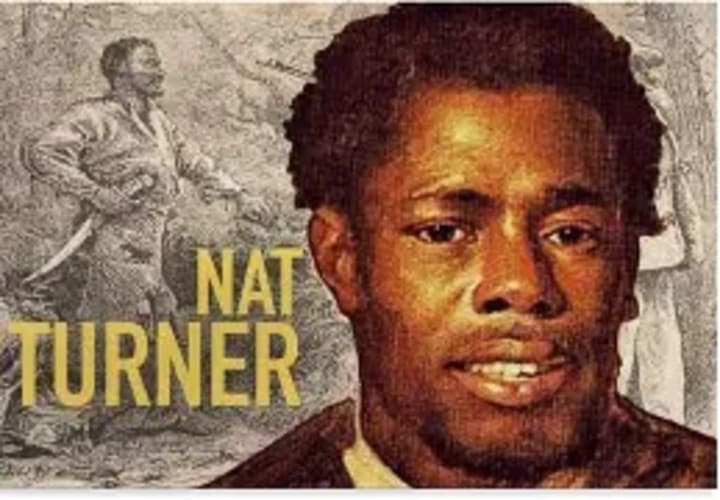
Nat Turner was born into slavery on October 2, 1800, in Southampton County, Virginia. From a young age, he was known for being unusually observant and intelligent, often studying people, nature, and the world around him. Those around him believed he had a special spiritual calling. As he grew older, Turner became a preacher among enslaved people, sharing messages of hope and faith during a time of deep suffering and injustice.
Visions and Religious Beliefs
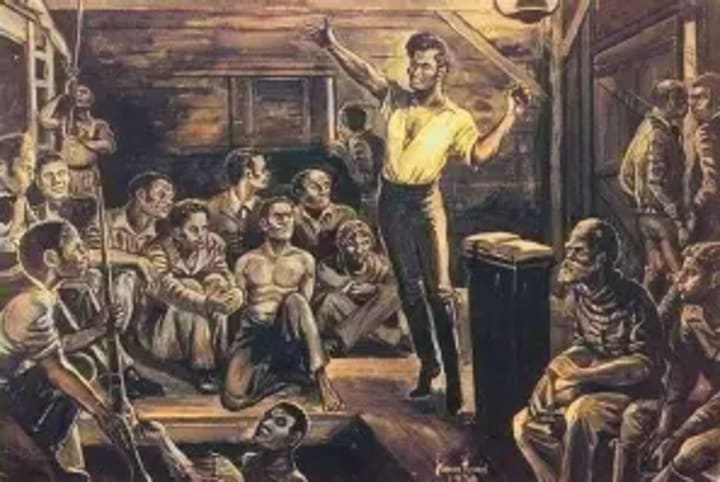
Turner believed he received visions and signs from God that showed him truths others could not see. These visions convinced him that he had been chosen to lead his people out of bondage. Over time, he came to believe that he was destined to take action against slavery itself.

The Rebellion
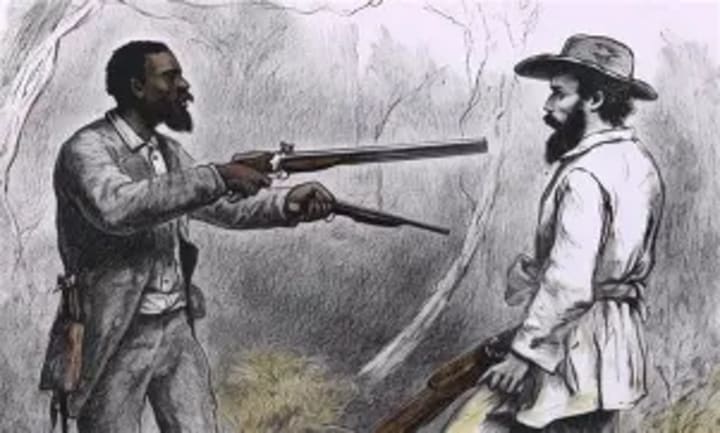
In August 1831, Turner led what would become one of the most significant slave uprisings in American history. Over the course of four days, he and a group of enslaved and free Black men moved through Southampton County. The violence that unfolded resulted in the deaths of 55 white men, women, and children. While Turner’s group saw themselves striking against an oppressive system, the uprising sparked fear and fury across the region.
In retaliation, state militias and mobs killed around 120 Black men, women, and children — many with no connection to the rebellion at all.
Capture, Trial, and Execution
Turner managed to hide for several weeks after the rebellion, but he was eventually captured in October 1831. After a short trial, he was convicted of leading an insurrection. On November 11, 1831, he was executed by hanging in Jerusalem, Virginia. Before his death, he shared his account of events with a local attorney, Thomas Ruffin Gray, who published *The Confessions of Nat Turner* later that year.
Marriage and Children
Historical records on Turner’s family life are limited, as is the case for many enslaved people, but it is known that he married and had children. The deeper details of his family relationships were not always recorded, yet his role as a husband and father remains part of his full story.
Legacy
Nat Turner’s rebellion shook the United States. In the South, it led to harsher laws controlling the lives of enslaved people and restricting Black education, movement, and assembly. In the North, it intensified debates about slavery and pushed the nation closer to the conflicts that would eventually lead to the Civil War.
Today, Turner is remembered in many different ways. Some view him as a symbol of resistance against an inhumane system. Others struggle with the violent nature of the uprising. What remains certain is that his actions left a lasting impact on American history.
In Popular Culture
Turner’s story has appeared in many forms of art and scholarship. Films, novels, music, and theater productions have explored his life, his motivations, and the world he lived in. Scholars continue to debate and analyze his legacy, ensuring that his story remains part of national discussions about race, resistance, and justice.
Just tell me what format you need.
About the Creator
Organic Products
I was born and raised in Chicago but lived all over the Midwest. I am health, safety, and Environmental personnel at the shipyard. Please subscribe to my page and support me and share my stories to the world. Thank you for your time!
Keep reading
More stories from Organic Products and writers in Education and other communities.
The Story of Black History Month
In the early 1900s, history books in the United States told an incomplete story. The contributions, struggles, and achievements of Black Americans were largely ignored or erased. One man recognized that this absence was not accidental—and that correcting it was essential for the future of the nation.
By Organic Products about 2 hours ago in Education
Role of Technology in Modern Islamic Education
Islamic education has always been a cornerstone of Muslim life, guiding children and adults alike in spiritual, moral, and academic growth. Traditionally, learning took place in mosques, madrasas, or homes with direct guidance from teachers.
By Arslan Shahbaz6 days ago in Education
Quiet Power and the Role of Privacy Architecture in the World’s Most Expensive Homes
Invisible fortresses now define the highest level of residential luxury. In the world’s most expensive homes, owners no longer seek attention or display. They seek control, calm, and protection. Privacy architecture makes this possible. It shapes homes that guard personal life without appearing closed or aggressive.
By Inspirata Group2 days ago in Education



Comments
There are no comments for this story
Be the first to respond and start the conversation.