
The Simulation Universe Hypothesis: Exploring the Possibility of Living in a Digital World
Simulation

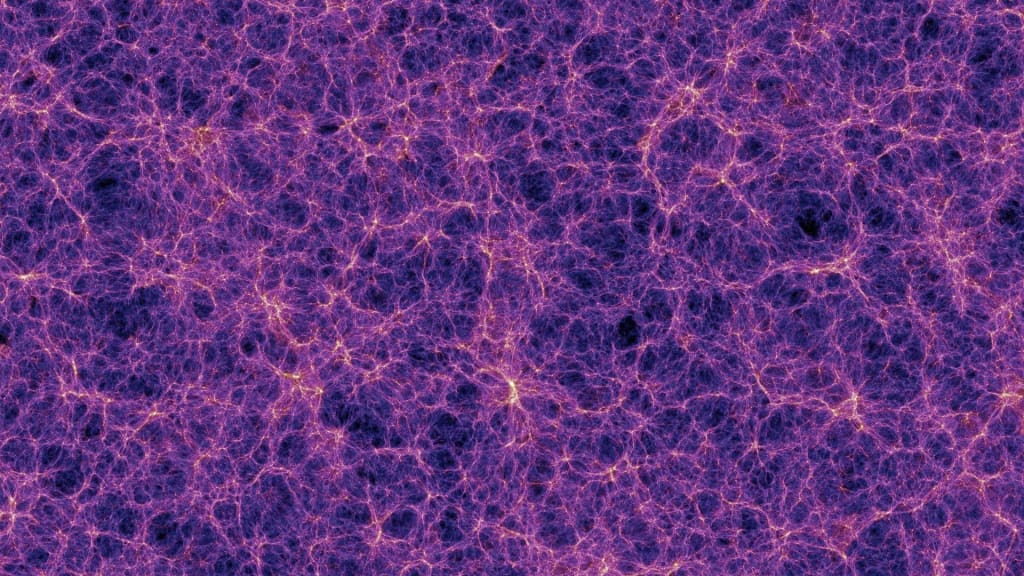
The simulation universe hypothesis is a topic that has gained popularity in recent years. According to this hypothesis, the universe we live in may be a simulation or virtual reality. This idea has caused many people to question the nature of reality and to explore the possibility that we may be living in a digital world.
The concept of a simulated universe is not new. The idea was first proposed by philosopher Nick Bostrom in 2003. Bostrom argued that if it is possible for a civilization to create a simulation of a universe, it is likely that they would do so. He posited that there could be billions of simulated universes and that we could be living in one of them.
The simulation hypothesis has been supported by many scientists, including Elon Musk, who has said that there is a "one in billions" chance that we are living in base reality. However, there is still no concrete evidence to prove that the universe is a simulation.
One of the arguments for the simulation hypothesis is the idea that as technology continues to advance, we will be able to create simulations that are indistinguishable from reality. If we are able to create such simulations, it is possible that a more advanced civilization has already done so and we are living in their simulation.
Another argument for the simulation hypothesis is the idea that our universe seems to be based on mathematical laws and principles. Some scientists have suggested that this suggests that the universe may be a computer program or simulation.
However, there are also arguments against the simulation hypothesis. One argument is that the universe seems to be too complex and unpredictable to be a simulation. Another argument is that the simulation hypothesis is unfalsifiable, meaning that it cannot be tested or proven false.
Despite the lack of concrete evidence, the simulation hypothesis continues to generate interest and speculation. Many people are fascinated by the idea that our reality may not be what it seems, and that we may be living in a simulated world. This concept has been explored in popular culture, including in movies like The Matrix, and has sparked debates and discussions about the nature of reality.
In conclusion, the simulation universe hypothesis is a fascinating and thought-provoking concept. While there is no concrete evidence to prove that the universe is a simulation, the idea has generated interest and speculation among scientists, philosophers, and the general public. As technology continues to advance, it is possible that we may one day be able to answer the question of whether we are living in a simulated universe or in base reality.
The implications of the simulation hypothesis are vast and far-reaching. If the universe is a simulation, it raises questions about the purpose of our existence and who or what is behind the simulation. It also brings up the possibility of multiple simulations and the potential for us to create our own simulations in the future.
One potential benefit of the simulation hypothesis is the idea that if we are living in a simulation, we may be able to hack the system or find ways to manipulate our reality. This could lead to advances in technology, medicine, and other fields.
However, there are also potential dangers to the simulation hypothesis. If we are living in a simulation, it raises the possibility of glitches or errors in the system, which could have catastrophic consequences. It also raises the question of whether we have free will or if our actions are predetermined by the simulation.
Overall, the simulation universe hypothesis is a complex and fascinating concept that continues to generate interest and debate. While we may never know for certain whether we are living in a simulation, the idea challenges us to question our assumptions about reality and to explore the limits of what is possible.
About the Creator
DRD
a asted life
Reclaiming Lilith: A Symbol of Female Empowerment and Rebellion
Lilith is a figure from ancient mythology, known as a demon or goddess depending on the culture and time period. Her story has evolved and been interpreted in various ways throughout history, with her symbolism taking on new meanings in different contexts.
By DRD3 years ago in Confessions
How to Balance Internal & External Port Loads on a Fibre Channel Network Switch
Modern data centers depend on steady storage performance every hour of the day. As your workloads grow your storage traffic also grows and that traffic must move smoothly across your switching layer.
By Harry Cmaryabout 6 hours ago in Education



Comments
There are no comments for this story
Be the first to respond and start the conversation.