
The Silent Threat During Pregnancy: Understanding and Managing Preeclampsia
Protecting Mothers and Babies from a Potentially Devastating Condition
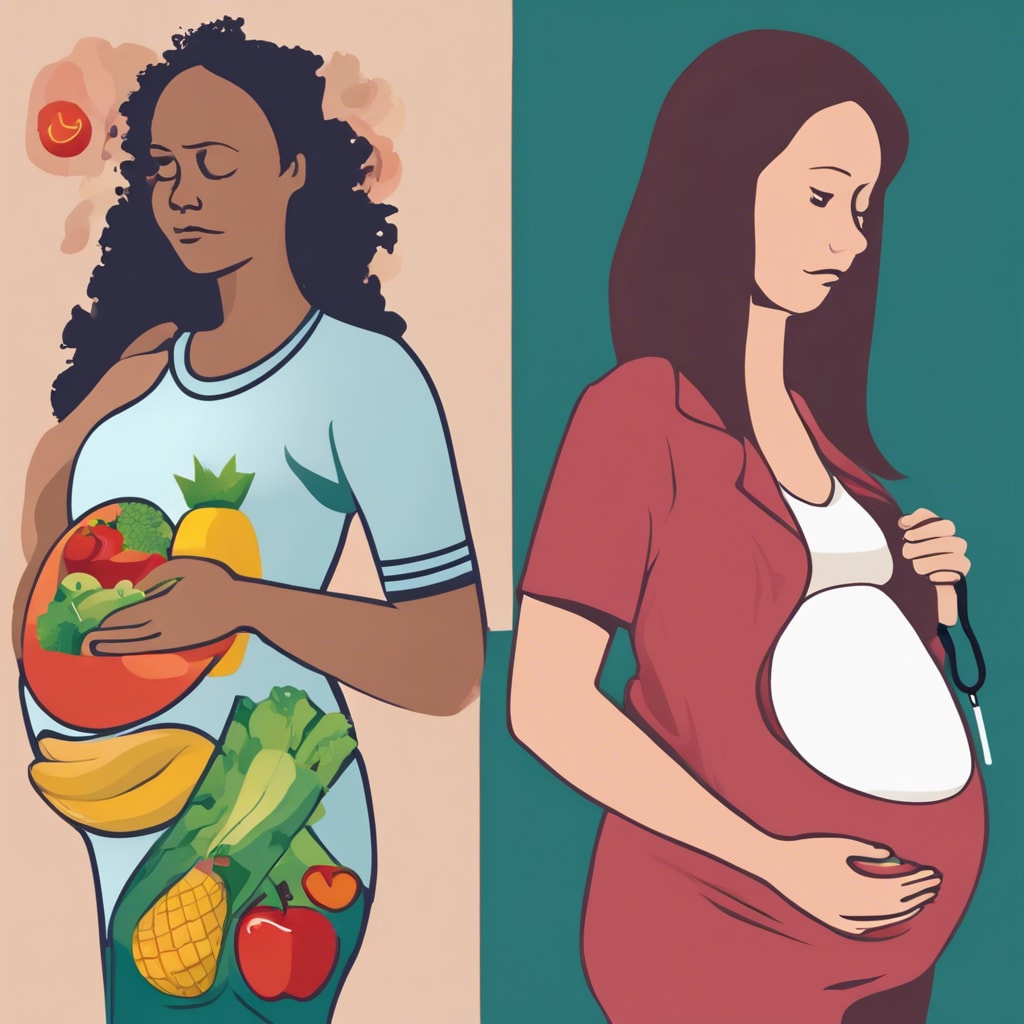
The Silent Threat During Pregnancy: Understanding and Managing Preeclampsia
Preeclampsia, a pregnancy complication characterized by high blood pressure and potential damage to organs, can cast a shadow over an otherwise joyful time. While the dramatic portrayal of Lady Sybil Crawley's death from preeclampsia in "Downton Abbey" might seem like a relic of the past, this condition still poses a significant risk to mothers and babies today. However, with proper awareness and management, preeclampsia can be effectively addressed, ensuring a healthy outcome for both mother and child.
Understanding Preeclampsia: Prevalence and Symptoms
Affecting approximately 5-8% of pregnancies, preeclampsia typically develops after the 20th week of gestation. While some women experience no noticeable symptoms, others may exhibit a combination of:
- Headaches: Often severe and persistent, these headaches can be a red flag for preeclampsia.
- Nausea and Vomiting: While nausea is common during pregnancy, sudden and frequent vomiting can be a sign of preeclampsia.
- Excessive Swelling: Significant swelling in the hands, face, and ankles, particularly if it appears suddenly, warrants investigation for preeclampsia.
Beyond the Surface: Potential Complications of Preeclampsia
Preeclampsia can also lead to more serious, unseen complications affecting the mother's internal organs, including:
- Liver Damage: Elevated liver enzymes can indicate damage caused by preeclampsia.
- Kidney Damage: Preeclampsia can impair kidney function, leading to protein in the urine, a hallmark symptom.
Elevated Blood Pressure: The Hallmark Sign
One of the defining characteristics of preeclampsia is high blood pressure. A reading of 140/90 mmHg or higher, measured on two separate occasions at least four hours apart, suggests preeclampsia. This high blood pressure can restrict blood flow to the placenta, potentially hindering the baby's growth and development.
Risk Factors for Preeclampsia: Who's More Susceptible?
Several factors can increase a woman's risk of developing preeclampsia. These include:
- Age: Women over 40 have a higher risk compared to younger women.
- Race: Black women are disproportionately affected by preeclampsia compared to other racial groups.
- Medical History: Existing conditions like obesity, diabetes, and chronic kidney disease increase the risk.
- Family History: A family history of preeclampsia makes a woman more susceptible.
- Geographic Location: While the reasons are unclear, studies suggest a higher risk in the southern United States, potentially linked to higher obesity and diabetes rates in these regions.
Taking Charge of Your Pregnancy: Early Detection and Management
The key to managing preeclampsia lies in early detection. Regular prenatal care offers the opportunity for doctors to monitor blood pressure and assess other potential signs of the condition. If preeclampsia is diagnosed, treatment options vary depending on the severity of the condition and the stage of pregnancy. Here's what you can expect:
- Close Monitoring: Frequent blood pressure checks, blood tests, and ultrasounds become crucial to monitor the mother's health and the baby's well-being.
- Medication: Medications may be prescribed to manage blood pressure and potentially help prevent seizures, a complication known as eclampsia.
- Early Delivery: In severe cases, delivering the baby early might be necessary to safeguard both mother and child.
Open Communication: The Importance of Advocacy
Preeclampsia Awareness Month, held every May, serves as a vital reminder for expecting mothers and their families to be proactive. Here are some key steps to take charge:
- Know the Symptoms: Familiarize yourself with the signs and symptoms of preeclampsia.
- Open Communication with Your Doctor: Discuss your individual risk factors and voice any concerns you might have during prenatal visits.
- Speak Up for Yourself: Don't hesitate to speak to your doctor if you experience any concerning symptoms.
The Cutting Edge of Preeclampsia Research: Unveiling New Possibilities
While early detection and management are crucial, advancements in research offer promising possibilities for the future of preeclampsia:
- Biomarkers for Earlier Diagnosis: Researchers are actively exploring potential biomarkers in the blood or placenta that could facilitate earlier and more accurate diagnosis of preeclampsia. These biomarkers might be specific proteins, genetic markers, or changes in circulating cell-free DNA.
- The Gut Microbiome Connection: Emerging research delves into the potential link between the gut microbiome, the trillions of bacteria residing in the gut, and preeclampsia. An imbalanced gut microbiome might contribute to the development of the condition. Studies are ongoing to investigate this connection and determine if manipulating the gut microbiome could offer new preventive strategies.
Preventive Measures on the Horizon: Preliminary research investigates potential preventive measures for preeclampsia, particularly for high-risk women. These include:
- Low-Dose Aspirin Therapy: Studies suggest that low-dose aspirin therapy initiated early in pregnancy might be beneficial for some high-risk women. However, it's important to consult with your doctor, as aspirin use during pregnancy can have potential risks and isn't suitable for everyone.
- Dietary Interventions: Research is exploring the potential role of dietary modifications in reducing the risk of preeclampsia. This might involve focusing on a diet rich in fruits, vegetables, whole grains, and lean protein, while limiting processed foods, added sugars, and unhealthy fats. Maintaining a healthy weight before and during pregnancy may also be a contributing factor.
It's important to remember that these preventive measures are still under investigation and require further study before becoming standard practice. However, ongoing research offers a glimmer of hope for potentially preventing preeclampsia in the future.
Conclusion
Preeclampsia is a serious pregnancy complication, but with early detection, proper management, and ongoing research advancements, it can be effectively addressed. By staying informed, advocating for yourself during prenatal care, and understanding the latest advancements in research, you can empower yourself to navigate your pregnancy journey with confidence and prioritize the health and well-being of both yourself and your precious baby.
About the Creator
suren arju
Hi there! I'm Suren, your startup guide. Entrepreneur, writer, dreamer - I share insights, tips & stories to fuel your startup journey. Ready to explore, learn & win together? Join me & let's redefine how we launch, learn & leap!
Keep reading
More stories from suren arju and writers in Education and other communities.
The Silent Threat: Unveiling the Dangers and Management of High Blood Pressure (Hypertension)
The Silent Threat: Unveiling the Dangers and Management of High Blood Pressure (Hypertension) High blood pressure, often referred to as hypertension, is a surprisingly common condition. Statistics from the American Heart Association (AHA) show that nearly one in three adults in the United States have hypertension, making it a significant public health concern. But despite its prevalence, many people lack a clear understanding of what high blood pressure means, its potential consequences, and how to manage it effectively.
By suren arju2 years ago in Education
Is Pharmacy Tech a Good Career Choice for 2026?
Given the recent shifts in the market and AI automation, people are now well aware that economic shakeups can drastically hinder their income sources. This is causing a lot of people to switch careers, and a majority of people are targeting healthcare roles. However, not all allied healthcare roles are created equal. Also, you can aim to become a medical assistant, but if you do not want to deal with patients, the ideal role for you is that of a Pharmacy Technician.
By Meaghan Howe4 days ago in Education
Wild Card Weekend Recap: What Happens Now?
I think I figured out why I love Wild Card Weekend so much. It's because it's the first playoff anything of the calendar year. The NFL season starts in the fall, and once upon a time, the champion was crowned either on or slightly before New Year's. The evolution of the NFL schedule has resulted in the playoffs starting just into the New Year, and currently, the final week of the season falls on the first weekend of the New Year, with Wild Card Weekend coming a week after that. So yes, chronologically, the NFL's Wild Card Weekend serves as the first playoff anything of the calendar year.
By Clyde E. Dawkins6 days ago in Unbalanced




Comments
There are no comments for this story
Be the first to respond and start the conversation.