
The Silent Erosion: Social Media’s Impact on Young Minds in Canada and Africa
How Social Media Is Quietly Undermining Young Minds in African and Canadian Classrooms
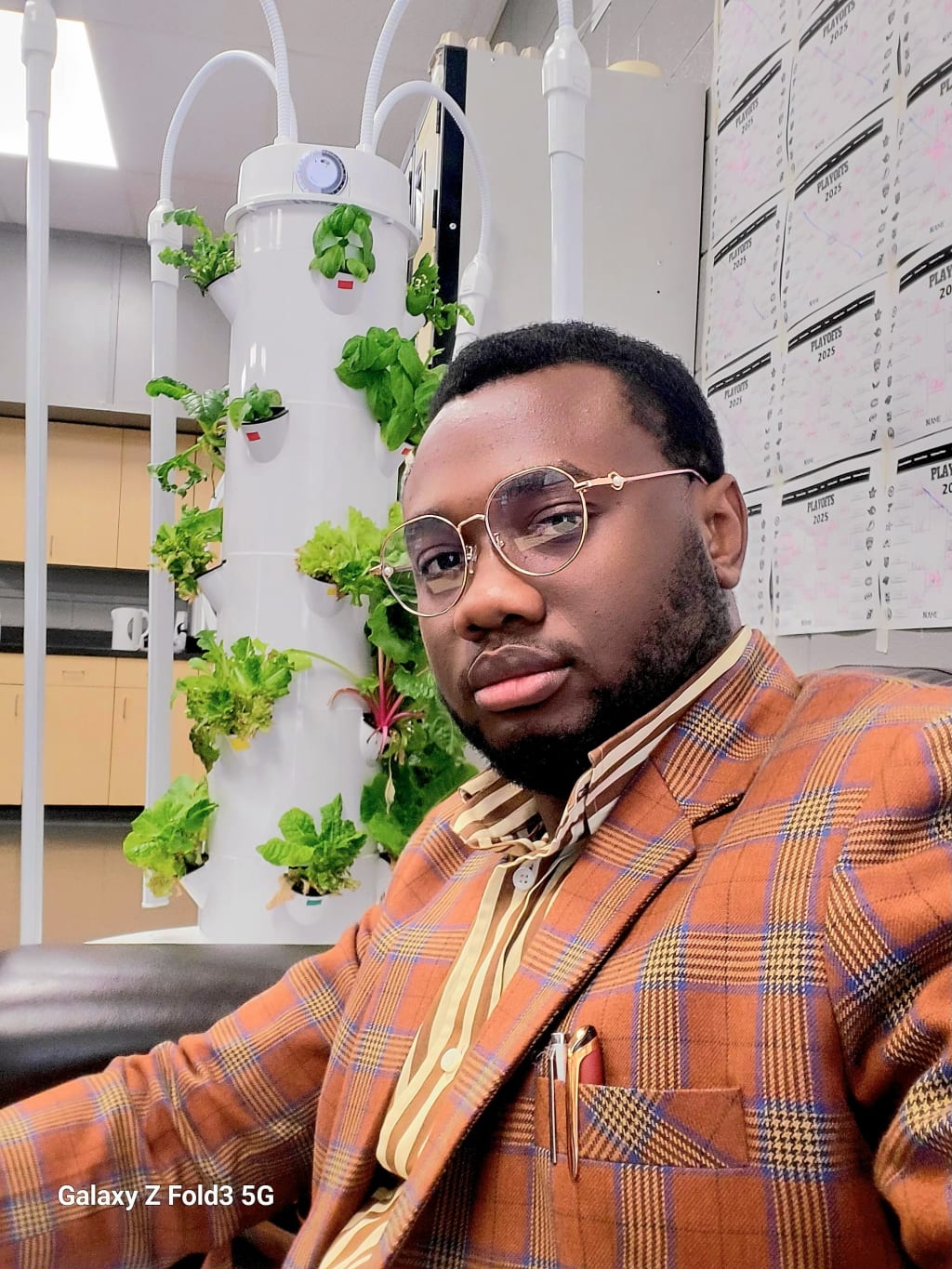
The Silent Erosion: Social Media’s Impact on Young Minds in Canada and Africa
Emeke Emmanuel
Winnipeg, Manitoba
Email: [email protected] | Phone: 204-293-0229
Abstract
Social media’s grip on the younger generation is tightening—silently reshaping how they think, feel, and relate to the world. As an educator with extensive experience teaching across institutions in both Canada and Africa, I have witnessed firsthand the slow but steady erosion of attention, curiosity, and emotional wellness among students. This essay is a reflection and a caution: a plea to educators, policymakers, and parents to recognize that social media is not just a distraction—it is becoming a dominant force in shaping the intellectual and emotional futures of emerging minds across continents.
Introduction
Over the past decade, I have taught in classrooms in Winnipeg, Lagos, and other educational communities in Canada and Africa. In these varied yet strikingly similar environments, one factor continues to raise concern: the overpowering influence of social media on student behavior, academic performance, and emotional health. The promise of connectivity has devolved into dependency. For many students, scrolling has replaced studying, and validation from strangers has become more important than introspection and intellectual growth.
Intellectual Decline in Real-Time
As an instructor, I’ve seen brilliant students gradually lose their spark. The attention span of young learners has dramatically shortened. Assignments are rushed, critical thinking is evaded, and discussions are surface-level—often echoing viral content rather than original thought. Social media rewards speed, virality, and visibility; education, on the other hand, requires patience, depth, and often, silence. The two are at odds, and students are caught in the middle.
A Generational Shift in Identity
Social media platforms have become more than tools—they are identity markers. Many young people define themselves by what they post, how they’re perceived, and who follows them. The danger here is subtle but significant: the performative replaces the personal, and the curated self erodes the authentic self. For students, especially those navigating adolescence and young adulthood, this distortion can severely delay emotional maturity and academic confidence.
Africa and Canada—A Shared Vulnerability
Though continents apart, African and Canadian students face the same threat in different hues. In African contexts, where digital literacy is still evolving, students are especially vulnerable to misinformation and digital addiction. In Canada, the issue lies more in overstimulation and emotional disconnection. Regardless of geography, the common thread is clear: the rise of social media is weakening intellectual rigor and self-awareness among young learners.
The Cost of Convenience
The convenience of having information at our fingertips has made deep learning feel unnecessary to many students. Why memorize or analyze when Google and TikTok can provide instant answers? The danger here is not in using these tools—but in replacing the learning process with shortcuts that weaken critical faculties. This over-reliance on digital tools is leading to an erosion of academic discipline and the courage to think independently.
Conclusion: Reclaiming the Future of Learning
This is not a call to demonize social media—it is a call to return to intentional learning. As educators, parents, and leaders, we must help students reclaim their minds. The stakes are high: if the current trajectory continues, we risk losing a generation of thinkers, creators, and leaders to the noise of distraction.
Let us challenge the systems, encourage digital discipline, and reinstate the values of deep reading, quiet reflection, and thoughtful conversation. The future of African and Canadian education depends on it.
About the Creator
MY LONGEST FLIGHT EVER
I want to write about my longest flight ever and the sickle cell boy. I would want to start with the excitement of boarding the plane, an international flight from Lagos to Addis Ababa this was quite exciting because I met other Africans, the process of screening was quite rigorous. We had to screen from one table to the other table and boarded the plane.
By EMEKE AZU3 years ago in Confessions
Turning a History Lesson Into an Escape Room Game
History is often taught through lectures, textbooks, and timelines — methods that can feel dry and distant. But what if students could experience history instead of just reading about it? One of the most engaging ways to do this is by transforming a history lesson into an escape room game. This interactive approach combines problem-solving, teamwork, and storytelling to make history memorable and exciting.
By Games Mode On2 days ago in Education
Ai Basics Everyone Should Know for the Future
Artificial Intelligence (AI) is no longer a distant concept reserved for scientists or tech companies. It’s already shaping how we work, learn, communicate, and make decisions. From recommendation systems on streaming platforms to AI assistants that help write emails, analyze data, or generate images, AI has quietly become part of everyday life.
By Anthony Bahamondea day ago in Education


Comments
There are no comments for this story
Be the first to respond and start the conversation.