
The Shocking Truth About the Easter Island Statues' Hidden Secrets
Mysterious Easter Island Statues
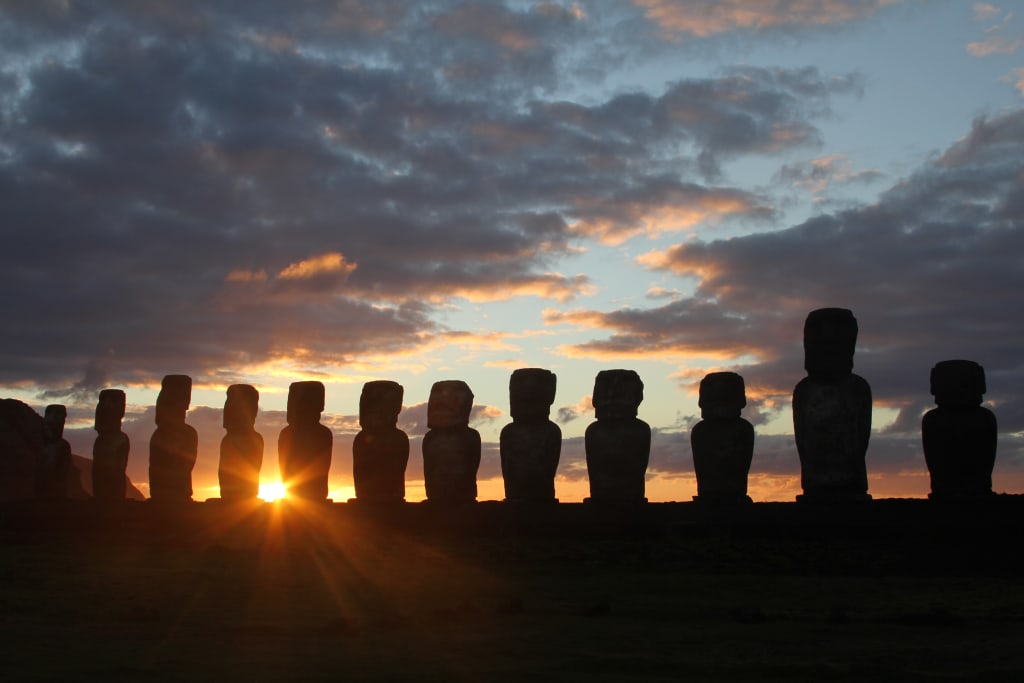
If you're fascinated by the mysterious Easter Island statues, commonly known as moai, you probably know they're famous for their towering heads. But did you know that they also have bodies? In this blog post, we'll explore the truth behind some myths and reveal the fascinating details of Easter Island's monumental sculptures. Get ready to uncover the secrets of the moai!
Introduction: The Mystery of the Easter Island Heads
The massive and mysterious stone statues on Easter Island, known as moai, have long fascinated people around the world. Many know them as the "Easter Island Heads", but what lies beneath their iconic topknots has remained a mystery for years. However, recent discoveries have revealed that statues actually have bodies as well. The origins and purpose of these statues continue to be a source of debate and intrigue, and the story of Easter Island and its statues is one that fascinates people to this day. In this blog, we will explore the fascinating world of the moai, and delve into the mysteries surrounding them.
The Rapa Nui People and Their Ancestral Statues
The Rapa Nui people, who inhabited Easter Island centuries ago, left behind an impressive legacy in the form of their ancestral statues. These towering figures, known as moai, were carved from volcanic rock and represent the ancestors of the Rapa Nui people, who likely created a new statue every time an important elder passed away. The moai are considered to be some of the most impressive examples of Polynesian sculpture and are a testament to the incredible technical skills of the Rapa Nui people. Despite their impressive size and weight, the statues were transported across great distances and erected on massive platforms called ahu. The moai continues to fascinate visitors to Easter Island and offer a glimpse into the rich cultural history of the Rapa Nui people.
The Number of Moai on Easter Island
According to archaeologists, there are approximately 1,000 moai on Easter Island, but only 887 have been officially documented. These massive statues, ranging from just a few feet tall to almost 30 feet in height, were created by the Rapa Nui people between 1400 and 1650 AD. Each moai was believed to represent an important ancestor and served as a commemorative tribute. The sheer number of moai on the small island is a testament to the incredible technical skills of the Rapa Nui people. Even today, the moai continues to captivate people from all over the world, serving as a source of intrigue and wonder about the fascinating history and culture of Easter Island.
The Discovery of Bodies Beneath the Statues
After years of speculation and wonder, archaeologists confirmed what they had long suspected: the Easter Island heads have bodies! As a part of the Easter Island Statue Project, researchers from UCLA excavated two of the iconic Moai statues and discovered that each one had a full body buried beneath the soil. This groundbreaking discovery has shed new light on the technical skills of the Rapa Nui people who carved these massive figures from rock, as well as their cultural beliefs and practices. The shifting sediment and soil over time led to the torsos being buried up to their shoulders, causing confusion for earlier attempts to study the statues. However, with modern technology and precise excavation techniques, we can now see these statues in a whole new light.
The Truth Behind the Easter Island Heads: They Have Bodies!
The Easter Island heads, also known as Moai, have fascinated people for centuries. However, what many don't realize is that these famous statues actually have bodies buried beneath the ground! Archaeologists discovered as early as 1914 that the statues were attached to buried torsos, but it wasn't until more recent years that photos began circulating showing bodies being unearthed from beneath the heads. The shifting soil and sediment on the island have caused the bodies to become buried, giving the illusion that the heads are all that remain. Despite this, the truth is that the Rapa Nui people who carved these incredible statues had the technical skill to create monolithic figures that included both a head and a body. The Easter Island Statue Project has been working to study and preserve these incredible works of art, providing further insight into the fascinating history and culture of the Rapa Nui people.
The Shifting Soil and Sediment That Buried the Torsos
The mystery of the Easter Island statues has been compounded by the fact that many have been buried beneath the soil. Over time, shifting soils and sediment have accumulated around the statues, leading to the burial of their torsos. This has led to the popular misconception that statues are only heads. However, archaeologists have long known that the bodies of most of the sculptures still exist, buried beneath more than 15 feet of soil. This spectacular geological disaster is responsible for hiding the full extent of these monolithic sculptures. Despite this, the discoveries made by researchers on Easter Island have only added to the fascination surrounding the Rapa Nui people and their incredible technical skills.
The Origin of the Name “Easter Island Heads”
The name "Easter Island Heads" is a misnomer, as the statues found on the island are not just heads, but full-bodied figures. The origins of the name can be traced back to the first recorded European visitor, Dutch explorer Jacob Roggeveen, who arrived on the island on Easter Sunday, April 5th, 1722. The name stuck and became widely accepted by the Western world, despite the fact that the Rapa Nui people have always referred to the carvings as "Moai," meaning statue or figure. While the name may have been misleading, the iconic and mysterious statues continue to draw visitors to the remote island today.
The Easter Island Statue Project: Studying and Preserving the Statues
The Easter Island Statue Project is a team of archaeologists from UCLA dedicated to the study and preservation of the island's famous stone statues. Through their work, they have been able to uncover many new discoveries about the moai, including the fact that several of the statues have bodies buried underground. By using advanced techniques such as 3D imaging and drone surveys, the team hopes to gain a better understanding of how the statues were constructed and how they have been affected by erosion and other environmental factors. They also work closely with the Rapa Nui people to ensure that the statues are appropriately cared for and preserved for future generations to enjoy. Their work is an important contribution to the ongoing fascination with Easter Island and its statues.
The Incredible Technical Skills of the Rapa Nui People
The technical skills of the Rapa Nui people were truly remarkable. They carved these massive statues – some weighing up to 180 tons – using only stone tools. The islanders discovered many methods to cut the soft tuff stone of the quarry, including using wooden wedges to break off pieces of rock and fire to heat and cool the stone, which could cause it to split.
The Rapa Nui also knew how to transport the massive statues from the quarry to their final resting places along the coast. They used ropes made from palm trees and logs as rollers to move the statues from one place to another. The incredible craftsmanship of the Rapa Nui people is truly amazing, and it makes these statues all the more awe-inspiring.
Conclusion: The Unending Fascination of Easter Island and Its Statues
In conclusion, the Easter Island statues continue to amaze and fascinate people all over the world.
Despite the discovery of buried bodies beneath the iconic heads, there is still much to learn about the Rapa Nui people and their incredible technical skills. Thanks to the Easter Island Statue Project, the statues are being studied and preserved for future generations to appreciate. The mystery surrounding the island and its statues only adds to the intrigue of this unique and remote destination. It's no wonder that visitors from all over the world are drawn to Easter Island to witness these monolithic wonders for themselves.
About the Creator
Market Impact Estimation and Slippage Control in Automated Stock Trading
Automated stock trading has changed the way people trade in today’s markets. With the help of algorithms and clear rules, traders can buy and sell stocks faster and with more discipline. Even so, every trading system faces two real challenges: market impact and slippage. Learning how these work and how automated systems handle them helps traders build smarter and more reliable strategies.
By james hallabout 15 hours ago in Education
Building Stronger Schools Through Student Mental Health Support
Schools across the United States face a growing responsibility to support students with anxiety and depression. Academic pressure, social media influence, family stress, and uncertainty about the future affect students at younger ages than ever before. Therefore, schools must recognize that mental health directly shapes learning outcomes, behavior, and long-term well-being. When students feel emotionally supported, they engage more fully in class and build stronger relationships. As a result, mental health care should stand alongside academic instruction as a core school priority.
By Martin Karp2 days ago in Education




Comments
There are no comments for this story
Be the first to respond and start the conversation.