
The Science of Atomic Chain Reaction: Understanding Nuclear Energy
Exploring the Basics of Fission and Fusion and Their Implications for Energy Production

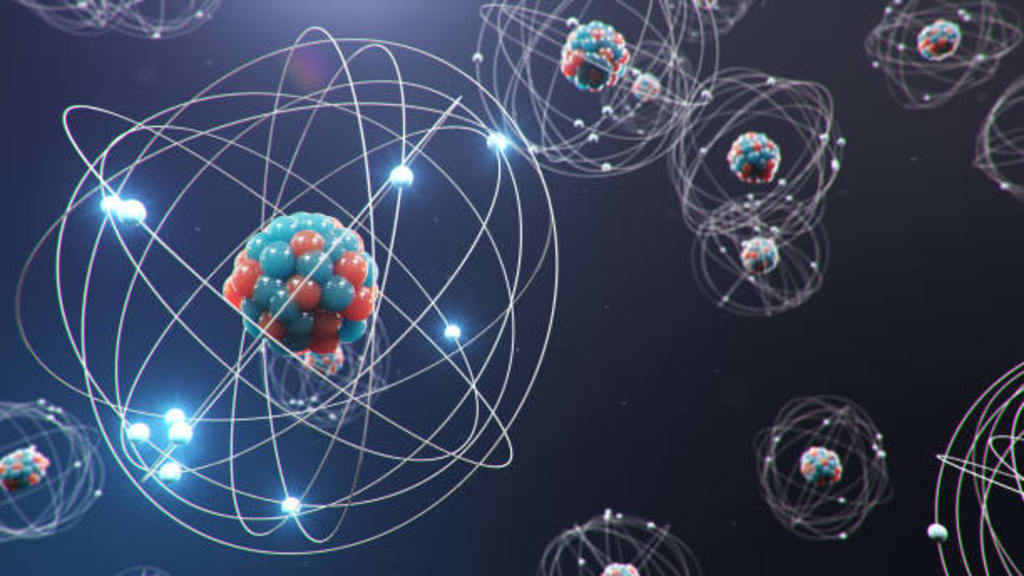
In today's world, ENERGY is a crucial component of modern life. Whether it is for transportation, electricity, or heating, we rely on various sources of energy to power our daily lives. One of the most important sources of energy is nuclear energy, which is generated through atomic chain reactions. However, the concept of atomic chain reaction is often misunderstood or even feared by many people. This article will explore the science behind atomic chain reactions, including the difference between fission and fusion, and how they can be harnessed for energy production.
What is an Atomic Chain Reaction?
An atomic chain reaction is a process in which a single reaction sets off a sequence of further reactions. In the case of nuclear energy, this refers to the splitting of atomic nuclei (fission) or the merging of atomic nuclei (fusion), which results in the release of enormous amounts of energy. This energy can be harnessed and used for a variety of purposes, including electricity generation.
Fission vs. Fusion
Fission and fusion are two different processes that can trigger atomic chain reactions. Fission is the process of splitting an atomic nucleus into two smaller nuclei, which results in the release of energy. This process can occur spontaneously or through the absorption of a neutron. When a neutron is absorbed by a nucleus, the nucleus becomes unstable and splits into two smaller nuclei, releasing energy in the process. This energy can be used to heat water and generate steam, which in turn drives turbines to produce electricity.
On the other hand, fusion is the process of combining two atomic nuclei to form a heavier nucleus. This process releases even more energy than fission, but it is much more difficult to achieve. In order for fusion to occur, the nuclei must be heated to extremely high temperatures and pressures, which is why it is often referred to as "the power of the sun." Scientists are still working on developing ways to harness fusion for energy production, but it is still a long way from being commercially viable.
The Chain Reaction
In order for an atomic chain reaction to occur, certain conditions must be met. For fission to occur, a nucleus must absorb a neutron and become unstable. If the nucleus is heavy enough, it will split into two smaller nuclei, releasing additional neutrons in the process. These neutrons can then go on to split other nuclei, releasing even more neutrons, and so on. This is how a chain reaction is initiated.
However, in order for the chain reaction to continue, certain conditions must be met. The most important condition is that there must be enough fissile material present to sustain the reaction. Fissile material is any material that can undergo fission, such as uranium-235 or plutonium-239. If there is not enough fissile material present, the chain reaction will eventually slow down and stop.
Another important condition is that the neutrons released by the fission reaction must be slowed down in order to increase their chances of being absorbed by another nucleus. This is usually accomplished by surrounding the fissile material with a moderator, such as water or graphite, which slows down the neutrons and increases their chances of being absorbed.
Implications for Energy Production
The implications of atomic chain reactions for energy production are enormous. Nuclear power plants generate about 10% of the world's electricity, and they have the potential to generate much more. Nuclear power is also a relatively clean source of energy, as it does not produce greenhouse gases or other pollutants. However, nuclear energy also has its downsides. The most obvious downside is the potential for accidents, such as the Chernobyl disaster or the Fukushima disaster. These accidents have had devastating consequences for the environment and human health, and they have led to increased scrutiny of nuclear energy.
There are also concerns about nuclear waste, which is radioactive and can remain dangerous for thousands of years. Finding a safe and reliable way to store nuclear waste is a major challenge for the industry.
Despite these challenges, nuclear energy remains an important source of power for many countries. The use of nuclear power is expected to grow in the coming years, as countries seek to reduce their reliance on fossil fuels and combat climate change.
Conclusion
Atomic chain reactions are a powerful force of nature, and they have the potential to provide us with a nearly limitless source of energy. However, they also come with significant risks and challenges. Understanding the science behind atomic chain reactions is essential for anyone interested in energy production, as it helps us to weigh the benefits and risks of this technology.
As we continue to develop and refine nuclear energy technology, it is important to keep safety and environmental concerns at the forefront. By doing so, we can harness the power of atomic chain reactions to meet our energy needs while minimizing the risks to ourselves and the planet.
About the Creator
Aadithyan
With a love for exploring the world and a passion for sharing my experiences through words, my articles is a window into my life and a source of inspiration for those seeking adventure. From travel tips to personal stories
How Fleet Management Technology Is Transforming the Rental Industry
The rental industry has experienced a major transformation in recent years, driven largely by advancements in fleet management technology. Businesses that manage vehicles, equipment, or other rentable assets are increasingly turning to digital solutions to streamline operations, reduce costs, and improve customer experience. What once required manual tracking, paperwork, and constant supervision can now be handled efficiently through intelligent software platforms.
By Ava Bennetta day ago in Education
A Beginner’s Guide to Microsoft Advertising
When people talk about online advertising, one platform usually gets most of the attention. For a long time, I assumed that was the only real option. Later, while researching search marketing tools, I discovered another system called Microsoft Advertising.
By supun fernando2 days ago in Education



Comments
There are no comments for this story
Be the first to respond and start the conversation.