
The Science Behind Yoga
What Research Says?

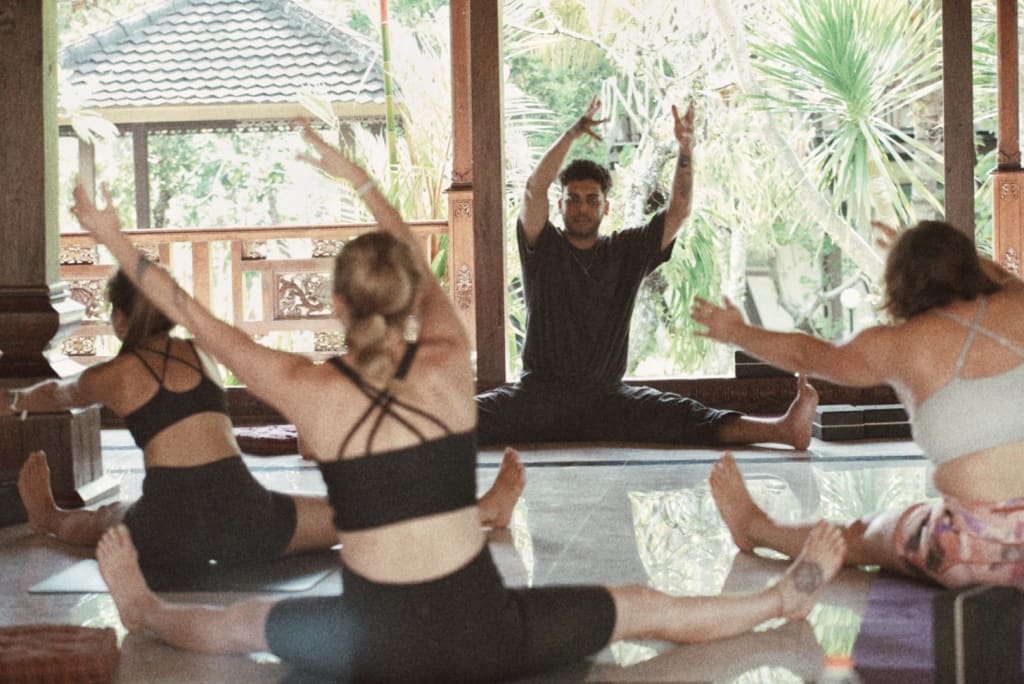
In recent years, yoga has gained widespread popularity not just as a physical exercise but as a holistic practice that promotes mental, emotional, and spiritual well-being. At Maa Shakti Yog Bali, we have witnessed firsthand the transformative power of yoga in the lives of our students. But beyond personal experiences and ancient wisdom, modern science has started to shed light on the mechanisms behind yoga's benefits. This blog delves into the science behind yoga and what current research says about this ancient practice.
1. Yoga and Physical Health
Yoga is often associated with flexibility and balance, but its impact on physical health goes much deeper. Research has shown that regular yoga practice can lead to:
Improved Cardiovascular Health: Studies have found that yoga can reduce blood pressure, lower cholesterol levels, and improve heart rate variability, which are all markers of heart health. A study published in the Journal of Preventive Cardiology highlighted that yoga might be as effective as brisk walking or cycling in improving cardiovascular risk factors.
Better Respiratory Function: Pranayama, the practice of controlled breathing in yoga, has been shown to enhance lung capacity and respiratory function. Research indicates that pranayama can be particularly beneficial for individuals with asthma and other respiratory conditions.
Pain Management: Yoga has been found to be effective in managing chronic pain conditions such as arthritis, back pain, and migraines. A study from Harvard Medical School revealed that yoga can be a potent tool for chronic pain relief, often reducing the need for pain medication.
2. Yoga and Mental Health
Beyond the physical, yoga is renowned for its profound effects on mental well-being. The practice of yoga has been linked to
Reduction in Anxiety and Depression: Numerous studies have shown that yoga can significantly reduce symptoms of anxiety and depression. The combination of physical postures, breath control, and meditation helps activate the parasympathetic nervous system, which promotes relaxation and stress relief.
Enhanced Cognitive Function: Yoga has been associated with improved memory, attention, and cognitive function. Research published in the Journal of Alzheimer’s Disease suggests that yoga and meditation may even slow down the progression of cognitive decline in older adults.
Stress Reduction: Yoga has been proven to lower cortisol levels, the body’s primary stress hormone. A study conducted by the National Institutes of Health found that yoga practitioners had lower levels of stress and anxiety compared to non-practitioners.
3. Yoga and Emotional Well-being
Emotional health is a critical aspect of overall well-being, and yoga can play a pivotal role in fostering emotional resilience. Scientific research supports the following benefits:
Improved Mood and Emotional Regulation: Yoga encourages mindfulness, which helps individuals become more aware of their emotions and reactions. Studies show that yoga can increase levels of gamma-aminobutyric acid (GABA), a neurotransmitter associated with improved mood and reduced anxiety.
Increased Self-Awareness: Through the practice of yoga, individuals develop a heightened sense of self-awareness and self-compassion. Research indicates that this self-awareness can lead to better emotional regulation and a more positive outlook on life.
4. Yoga and Spiritual Growth
While science may not fully quantify spiritual experiences, research has explored how yoga can contribute to a deeper sense of connection and purpose:
Enhanced Mind-Body Connection: Yoga fosters a profound connection between the mind and body, promoting holistic well-being. This mind-body awareness is believed to be central to the spiritual growth that many practitioners experience.
Mindfulness and Meditation: The meditative aspects of yoga encourage a focus on the present moment, which can lead to spiritual awakening and a deeper understanding of one’s purpose in life. Research supports the idea that regular meditation can lead to changes in brain structure, enhancing areas associated with empathy, self-awareness, and compassion.
5. Integrating Science and Tradition at Maa Shakti Yog Bali
At Maa Shakti Yog Bali, we blend the ancient wisdom of yoga with modern scientific insights to offer a comprehensive approach to wellness. Our curriculum is designed to not only teach the physical postures but also to deepen understanding of the mental, emotional, and spiritual benefits of yoga. We believe in the power of yoga to transform lives, and we are committed to sharing this knowledge with our students.
Conclusion
The science behind yoga is increasingly being recognized in research, confirming what yogis have known for centuries: yoga is a powerful tool for enhancing physical health, mental well-being, emotional balance, and spiritual growth. Whether you are a seasoned practitioner or new to yoga, the evidence supports incorporating yoga into your daily routine for a healthier, happier life.
At Maa Shakti Yog Bali, we invite you to explore the profound benefits of yoga through our Yoga Teacher Training programs in Bali, where ancient traditions meet modern science.
Namaste.
About the Creator
maashaktiyogbali
Yoga Alliance Registered Yoga School In Bali
After serving with our yoga courses in India for several years, we started the institute in Bali with the same ideology.
Keep reading
More stories from maashaktiyogbali and writers in Education and other communities.
Yoga Retreats
In today's fast-paced world, finding time for self-care and reflection can feel like a luxury. This is where yoga retreats come in—a haven of peace where you can reconnect with your body, mind, and soul. Whether you're a seasoned yogi or just starting your journey, a yoga retreat offers the perfect escape to rejuvenate and deepen your practice. But with so many options available, how do you choose the right one? Let’s dive into what you can expect from a yoga retreat and how to select the ideal experience for you.
By maashaktiyogbaliabout a year ago in Education
Smart Home Plumbing Habits That Protect Your Pipes
Owning a home brings pride and comfort. It also brings responsibility. Plumbing is one of the most critical systems in any house. Small mistakes can lead to leaks, damage, and high repair costs. This guide shares essential plumbing tips every homeowner should know. The goal is to help you avoid trouble and keep your home running smoothly.
By Lickety Split7 days ago in Education
Best Advice for Home Buying in 2026
If you're considering buying a home in 2026, this is probably the top advice you could have. Whether this is your first home or your last home or anywhere in between, some of these things might be a given, some you probably already know, but some are important for 2026. Regardless, here's the best advice for home buying in 2026.
By Tammy Eminetha day ago in Education



Comments
There are no comments for this story
Be the first to respond and start the conversation.