
The Role of Nutrition in Anti-Aging and Longevity
According to research, some foods and dietary habits can have anti-aging and longevity-promoting effects. For example, antioxidants, found in many fruits, vegetables, and nuts, protect cells against damage from molecules called free radicals, which can cause damage to cells and contribute to aging.


Introduction
As we get older, nutrition becomes even more important for maintaining overall health and well-being. A diet deficient in certain nutrients can hasten to age and raise the risk of age-related chronic diseases. Adequate nutrition is crucial for maintaining a healthy body and mind.
According to research, some foods and dietary habits can have anti-aging and longevity-promoting effects. For example, antioxidants, found in many fruits, vegetables, and nuts, protect cells against damage from molecules called free radicals, which can cause damage to cells and contribute to aging. Omega-3 fatty acids, which are found in fatty fish, can reduce inflammation and improve heart health, while vitamins and minerals such as vitamin D, vitamin B12, and calcium are important for maintaining strong bones and overall good health.
On the other hand, a diet rich in processed foods added sugars, and saturated fats can worsen inflammation, encourage weight gain, and increase the risk of developing chronic illnesses like diabetes, heart disease, and cancer. In order to age optimally, proper nutrition and a healthy diet are essential.
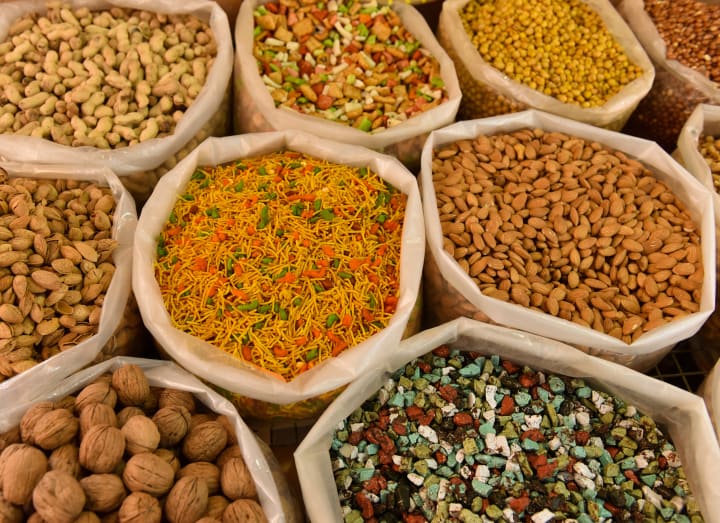
The effects of poor nutrition on the age
Poor nutrition can speed up the aging process and put people at higher risk for age-related chronic diseases. Telomere shortening is one way that inadequate nutrition can hasten aging. Telomeres, the protective caps on the ends of chromosomes, are essential to aging. Telomeres naturally shorten with age, which prevents cells from dividing. Studies have shown that inadequate nutrition, particularly a diet low in antioxidants and other anti-aging nutrients, can result in shorter telomeres and a higher risk of age-related diseases like cancer and heart disease.
Another way that poor nutrition can accelerate aging is through chronic inflammation. Although inflammation is a normal reaction to injury or infection, when it persists over time, it can speed up aging and a number of age-related diseases. Inflammation in the body can be exacerbated by a diet high in processed foods, added sugars, and saturated fats, which increases the risk of age-related diseases like diabetes, heart disease, and cancer.
In addition to this, poor nutrition can also accelerate aging through oxidative stress. When the body's capacity to combat free radicals and its ability to produce them are out of balance, oxidative stress results. When this occurs, free radicals can damage cells and contribute to aging. Antioxidants, which can be found in many fruits, vegetables, and nuts, can reduce oxidative stress and slow down the aging process.
Lastly, micronutrient deficiencies resulting from poor nutrition can also contribute to aging. Throughout our lives, vitamins and minerals like calcium, vitamin D, and vitamin B12 play critical roles in preserving our health and well-being. A diet deficient in fruits, vegetables, and whole grains, however, can result in micronutrient deficiencies, which can slow down aging and raise the risk of age-related diseases.
In conclusion, it is obvious that a healthy diet is necessary for aging and general health to occur at their best. A diet high in nutrient-dense foods like fruits, vegetables, whole grains, and lean proteins is essential for promoting health and longevity, as is consuming little processed food, added sugar, and saturated fat.

Certain nutrients have been shown to have anti-aging effects and promote longevity. The following are some examples of these anti-aging nutrients:
Antioxidants: These are compounds that protect cells against damage from molecules called free radicals. Examples of antioxidants include vitamin C, vitamin E, beta-carotene, and selenium. These can be found in fruits and vegetables like berries, oranges, spinach, kale, and sweet potatoes
Omega-3 fatty acids: These are a type of healthy fat that can reduce inflammation and improve heart health. Omega-3s can be found in fatty fish such as salmon, sardines, and anchovies, as well as in plant sources like flaxseeds and chia seeds.
Vitamin D: It plays a vital role in maintaining strong bones and overall good health. It is synthesized by the skin when exposed to sunlight and is also found in fatty fish, egg yolks, and mushrooms
Vitamin B12: It is important for maintaining healthy nerve cells and red blood cells. it can be found in animal-based food like fish, meat, dairy, and eggs
Calcium: It is an essential mineral for maintaining strong bones, teeth, and healthy muscles. It can be found in dairy products, leafy green vegetables, and fortified foods.
Resveratrol: found in red wine, grapes, berries, and peanuts, it has been found to protect cells from damage and potentially boost lifespan
Sirtuin-activating compounds: found in foods like turmeric, olive oil, and dark chocolate, they have been shown to activate a group of genes known as sirtuins, which may promote longevity
It's crucial to remember that a balanced and varied diet will provide a variety of these anti-aging nutrients and support optimal health. This includes a variety of fruits, vegetables, and whole grains. However, it is always advisable to speak with a licensed healthcare provider before making any significant dietary changes or supplementing your diet.
The Mediterranean diet and longevity
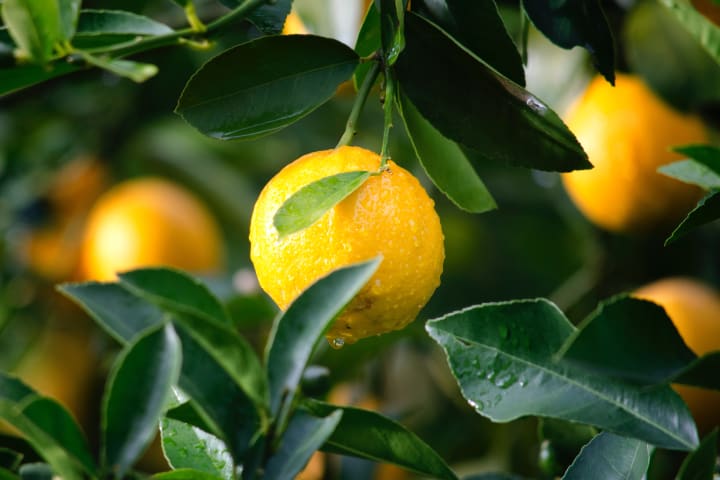
"The Mediterranean diet is often considered one of the best diets for longevity." An abundance of fruits, vegetables, whole grains, lean proteins, healthy fats like olive oil, and small amounts of fish and wine are the hallmarks of this diet, which is prevalent in nations like Greece, Italy, and Spain.
Research has shown that following a Mediterranean diet can have a number of health benefits, including a reduced risk of heart disease, cancer, and diabetes. One of the reasons why the Mediterranean diet is so beneficial is that it is rich in anti-aging nutrients such as antioxidants, omega-3 fatty acids, and monounsaturated fats. These nutrients have been shown to have anti-inflammatory properties, support healthy aging and longevity, and shield cells from harm.
The Mediterranean diet is rich in nutrient-dense foods as well as fiber, which can help people stay at a healthy weight and fend off chronic diseases. Also, it puts an emphasis on plant-based foods, which are low in calories and high in essential micronutrients.
Another reason why the Mediterranean diet is so beneficial is that it is relatively low in processed foods, added sugars, and saturated fats, all of which can contribute to inflammation and chronic disease. Instead, the Mediterranean diet focuses on whole, nutrient-dense foods that are known to promote health and longevity.
In conclusion, a large body of scientific research supports the Mediterranean diet as a sustainable, healthy eating pattern. It is the ideal dietary pattern for promoting health and longevity because it places a strong emphasis on nutrient-dense foods, healthy fats, and little to no processed food. Nevertheless, it is always advisable to speak with a licensed healthcare provider before making any significant dietary changes.
specific components of the Mediterranean diet that promote health and longevity
The abundance of foods that are nutrient-dense and support health and longevity is a hallmark of the Mediterranean diet. The following are some specific components of the Mediterranean diet that are particularly beneficial:
Fruits and vegetables: The Mediterranean diet is rich in fruits and vegetables, which are excellent sources of vitamins, minerals, antioxidants, and fiber. Fruits and vegetables such as tomatoes, bell peppers, onions, olives, and berries are all staples of the Mediterranean diet and are associated with reduced risk of chronic diseases.
Whole grains: Whole grains such as wheat, barley, and oats are also important components of the Mediterranean diet. These grains are a rich source of fiber, vitamins, and minerals, and have been shown to reduce the risk of heart disease, type 2 diabetes, and cancer.
Lean proteins: The Mediterranean diet is characterized by a high intake of fish, and a moderate intake of poultry, eggs, and legumes. These are considered lean proteins and are associated with a reduced risk of heart disease.
Healthy fats: The Mediterranean diet is rich in healthy fats, particularly monounsaturated fats such as olive oil. These fats have been shown to have anti-inflammatory effects, lower cholesterol levels, and reduce the risk of heart disease.
Herbs and spices: The Mediterranean diet heavily relies on herbs and spices to flavor food. Herbs such as basil, parsley, rosemary, and oregano, and spices like garlic and cumin are rich in antioxidants and anti-inflammatory compounds
Wine: Moderate wine consumption is also a component of the Mediterranean diet and has been associated with reduced risk of heart disease, due to its antioxidant effects
To get the most benefits from the Mediterranean diet, it's crucial to remember that it places an emphasis on variety and moderation rather than focusing on any one particular aspect in particular. Additionally, it's crucial to always seek the advice of a licensed healthcare professional before making any significant dietary changes. Visit Keto Recipes to find delicious and healthy anti-aging recipes, as well as to learn more about the importance of diet in anti-aging and longevity.
Other dietary patterns and longevity
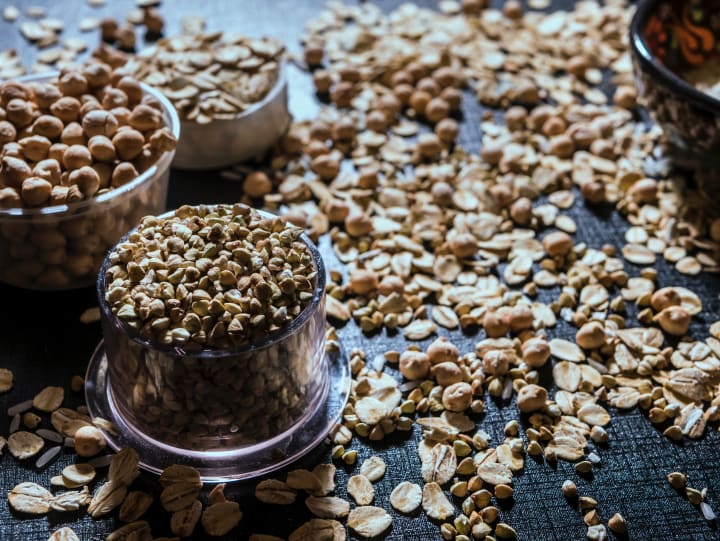
"Other dietary patterns, in addition to the Mediterranean diet, have been linked to longevity and overall health." Below are some examples of these dietary patterns and the specific foods and nutrients that make them beneficial:
Plant-based diets: Plant-based diets that are high in fruits, vegetables, whole grains, and legumes are rich in antioxidants, fiber, vitamins, and minerals. These nutrients have been shown to reduce inflammation, lower the risk of chronic diseases, and promote healthy aging.
Okinawa diet: This dietary pattern is traditional in the Okinawa region of Japan and is characterized by a high intake of vegetables, sweet potatoes, and soy products, as well as moderate amounts of fish and seafood. The diet is low in saturated fat, and this, combined with the nutrient-rich foods it includes, has been associated with a reduced risk of chronic diseases and increased longevity.
Low-Carb, High-Fat diet: High-fat foods, like avocados, nuts, seeds, olive oil, and fatty fish provide an array of essential fatty acids, vitamins, and minerals that are beneficial for health and longevity.
Intermittent fasting: Some studies have shown that intermittent fasting can improve insulin sensitivity, promote healthy aging and reduce inflammation.
It's important to keep in mind that these diets are not exclusive of one another and can combine components from each other. But in general, these diets focus on nutrient-dense whole foods rather than processed foods and minimize added sugars and saturated fats. Additionally, it's always important to consult a qualified healthcare
Conclusion

You can promote health and longevity by including anti-aging nutrients in your diet, according to experts. Here are some recommendations to help you do so:
Eat a variety of fruits and vegetables daily: These foods are excellent sources of vitamins, minerals, antioxidants, and fiber. Aim for at least 5 servings of fruits and vegetables per day.
Include whole grains in your diet: Whole grains such as wheat, barley, and oats are great sources of fiber, vitamins, and minerals. Try to incorporate whole grains into meals by using whole-grain bread, pasta, and cereals.
Consume lean proteins: Fish, poultry, and legumes are all great sources of lean protein. Aim for at least 2 servings of fish per week, and try to include legumes in meals at least 2-3 times per week.
Use healthy fats in cooking and dressings: Olive oil, avocado, and nuts are all great sources of healthy fats. Use them in cooking and salad dressings to add flavor and healthy fats to meals.
Add herbs and spices to your meals: Herbs such as basil, parsley, rosemary, and oregano, and spices like garlic and cumin are rich in antioxidants and anti-inflammatory compounds.
Incorporate a moderate amount of red wine: Red wine, in moderation, has been linked to a reduced risk of heart disease due to its antioxidant effects.
Consider supplementation. If you are unable to get enough of a particular nutrient through diet alone, consider taking a supplement, but always check with a qualified healthcare professional first.
Keep in mind that the key to including anti-aging nutrients in your diet is to gradually switch to a more nutrient-dense diet. Making small, gradual changes will help you establish a healthy pattern and make them easier to maintain.
It's crucial to keep in mind that nutrition is only one factor in determining longevity and general health. Other lifestyle factors like regular exercise, stress management, and getting enough sleep also play a crucial role.
Exercises that improve brain function and mental health include stretching, resistance training, and cardiovascular exercise in addition to assisting with maintaining a healthy weight.
Stress management can also play an important role in promoting health and longevity. Chronic stress has been associated with a higher risk of chronic conditions like diabetes and heart disease. Utilizing stress-reduction strategies like yoga, meditation, and deep breathing can help lower stress levels and improve health and well-being.
Getting enough sleep is also crucial for overall health, as it helps the body repair and regenerates. The amount of sleep required will vary from person to person, but generally, 7-8 hours of sleep per night is recommended for adults.
In summary, nutrition plays an important role in promoting health and longevity, but it is just one piece of the puzzle. The best way to achieve overall health and well-being is to combine a healthy diet with consistent exercise, stress reduction, and enough sleep. Before making any significant changes to your lifestyle, it is always advisable to speak with a trained healthcare professional.
Don't just take our word for it; see for yourself! Visit our website to learn more about the role of nutrition in anti-aging and longevity and to find delicious and healthy recipes that are packed with anti-aging nutrients.
(Disclaimer regarding affiliate links) You may find some of the products linked in this article to be useful. We will receive a commission if you choose to buy any of the products after clicking on one of these links.
About the Creator
Voyce Co.
We enjoy the written word because we are ardent writers. Our writing aims to engage readers with a distinct perspective, whether it be via the creation of gripping narratives or the presentation of thought-provoking ideas.
How the Sun Affects Asteroid Paths: Gravity, Radiation Pressure, and Orbital Changes Explained
Introduction: The Silent Influence of the Sun ☀️ Every night, thousands of asteroids quietly move through space. Most of them orbit harmlessly between Mars and Jupiter in the asteroid belt. Others travel closer to Earth, following paths shaped by invisible forces.
By shahkar jalal2 days ago in Education
The Overlooked Consequences of Weak Healthcare Program Planning
Healthcare programs are created to expand access to care, improve patient outcomes, and strengthen public health systems. Governments, hospitals, nonprofits, and health organizations invest significant resources into developing programs that address disease prevention, treatment, and community wellness. When these initiatives are carefully planned and strategically executed, they can transform healthcare delivery and improve the quality of life for entire populations.
By Evyatar Nitzany6 days ago in Education




Comments
There are no comments for this story
Be the first to respond and start the conversation.