
The Role of Metal Additive Manufacturing in Defense and Military
Transforming Defense: The Impact of Metal Additive Manufacturing on Modern Military Operations
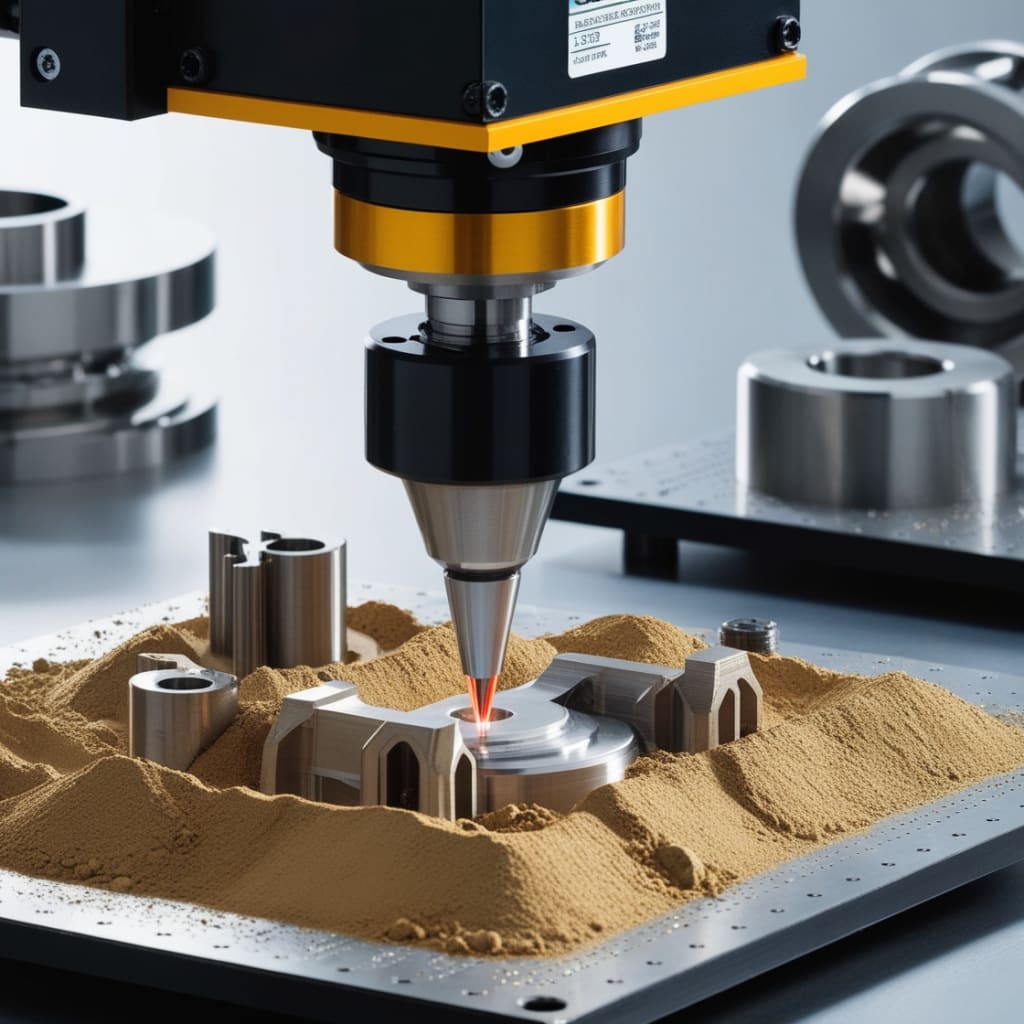
In the rapidly evolving landscape of modern defense and military operations, technological advancements are crucial to maintaining an edge. Among these innovations, metal additive manufacturing (AM), commonly known as 3D printing with metals, has emerged as a game-changer. This transformative technology is reshaping how defense and military sectors approach equipment production, maintenance, and innovation.
1. Revolutionizing Equipment Production
Traditional manufacturing methods often involve complex processes and long lead times, especially for specialized or custom parts. Metal additive manufacturing, however, offers a revolutionary approach by enabling on-demand production. This capability is particularly valuable for the defense sector, where quick turnaround times can be critical.
Rapid Prototyping and Production: Metal AM allows for rapid prototyping of parts and equipment. This means that prototypes can be produced quickly and modified iteratively, reducing the time required for testing and deployment.
Complex Geometries: Unlike traditional methods, which may struggle with complex designs, metal AM can produce intricate geometries and internal structures that are both lightweight and robust. This capability is crucial for developing advanced weaponry and other military equipment with enhanced performance characteristics.
2. Enhancing Supply Chain Efficiency
The defense supply chain is notoriously complex and often faces challenges related to logistics, storage, and transportation of spare parts and equipment. Metal additive manufacturing provides a solution by enabling localized production and reducing dependency on extensive supply chains.
On-Demand Manufacturing: With metal AM, parts can be produced on-site or in close proximity to the point of use, significantly reducing the need for extensive warehousing and long-distance shipping.
Reduced Inventory Costs: The ability to produce spare parts on demand helps reduce the inventory burden, lowering costs associated with maintaining large stocks of equipment and components.
3. Improving Maintenance and Repairs
Maintenance and repair of military equipment are critical to ensuring operational readiness. Metal additive manufacturing plays a vital role in this area by providing more efficient and effective solutions for repairing and upgrading existing equipment.
Field Repairs: Metal AM can be used to produce replacement parts in the field, allowing for rapid repairs and reducing downtime. This is especially useful in remote or challenging environments where traditional supply chains may be disrupted.
Upgrades and Customizations: Metal AM enables the modification and upgrading of existing equipment by allowing for custom parts that enhance performance or adapt to new requirements without the need for entirely new systems.
4. Driving Innovation and Experimentation
Innovation is at the heart of military advancement, and metal additive manufacturing fosters a culture of experimentation and rapid iteration. This technology allows for the testing of new ideas and designs without the constraints of traditional manufacturing methods.
Advanced Materials and Designs: Metal AM enables the exploration of new materials and composite structures, pushing the boundaries of what is possible in terms of strength, durability, and functionality.
Collaborative Development: The technology encourages collaboration between engineers, designers, and military personnel, leading to innovative solutions that address specific needs and challenges.
5. Enhancing Strategic Capabilities
Strategic advantages in defense and military operations often hinge on technological superiority. Metal additive manufacturing contributes to this by enabling the development of advanced, high-performance systems that can provide a competitive edge.
Customization for Specialized Missions: Metal AM allows for the production of highly specialized equipment tailored to unique mission requirements, enhancing the effectiveness of military operations.
Rapid Deployment of New Technologies: The agility of metal AM means that new technologies can be deployed quickly, ensuring that military forces stay ahead of adversaries with the latest advancements.
Conclusion
Metal additive manufacturing is transforming the defense and military sectors by offering new capabilities in equipment production, maintenance, and innovation. Its ability to rapidly produce complex parts, streamline supply chains, and support field repairs makes it an invaluable asset in modern military operations. As technology continues to advance, the role of metal AM in defense will likely expand, driving further improvements in efficiency, capability, and strategic advantage. Embracing this technology not only enhances current operations but also lays the groundwork for future advancements in defense and military readiness.
About the Creator
dm3dtechnology
We, DM3D, are an advanced digital manufacturing company where we use our patented blown-powder metal Directed Energy Deposition (DED) technology coupled with fully integrated machining.
Keep reading
More stories from dm3dtechnology and writers in Education and other communities.
Best Metal 3D Printing Services Compared: A Detailed Analysis
Metal 3D printing, also known as metal additive manufacturing, has revolutionized the manufacturing industry. With its ability to create complex and precise metal parts, it’s no wonder businesses across industries are turning to this technology. Choosing the best metal 3D printing service, however, can be overwhelming given the variety of options available. This blog provides a detailed analysis to help you make an informed decision.
By dm3dtechnologyabout a year ago in 01
Staying Active at the Gym: How to Avoid Burnout and Stay Consistent
Staying active at the gym offers many physical and mental benefits, but maintaining consistency can be challenging, especially when burnout appears. Many people start with excitement and strong motivation, yet after a few weeks, the pressure to perform or the demands of a busy life can lead to fatigue, boredom, or frustration. Avoiding burnout is essential for long-term success. A healthy fitness routine should support your well-being, not drain your energy or enthusiasm. With the right strategies, you can stay consistent, maintain a positive mindset, and enjoy your workouts for years to come.
By Keith Brautigam2 days ago in Education


Comments
There are no comments for this story
Be the first to respond and start the conversation.