
The Role of Cloud in Enabling Remote and Hybrid Work Models
How Cloud Solutions Power Flexibility, Collaboration, and Productivity in the Modern Workplace

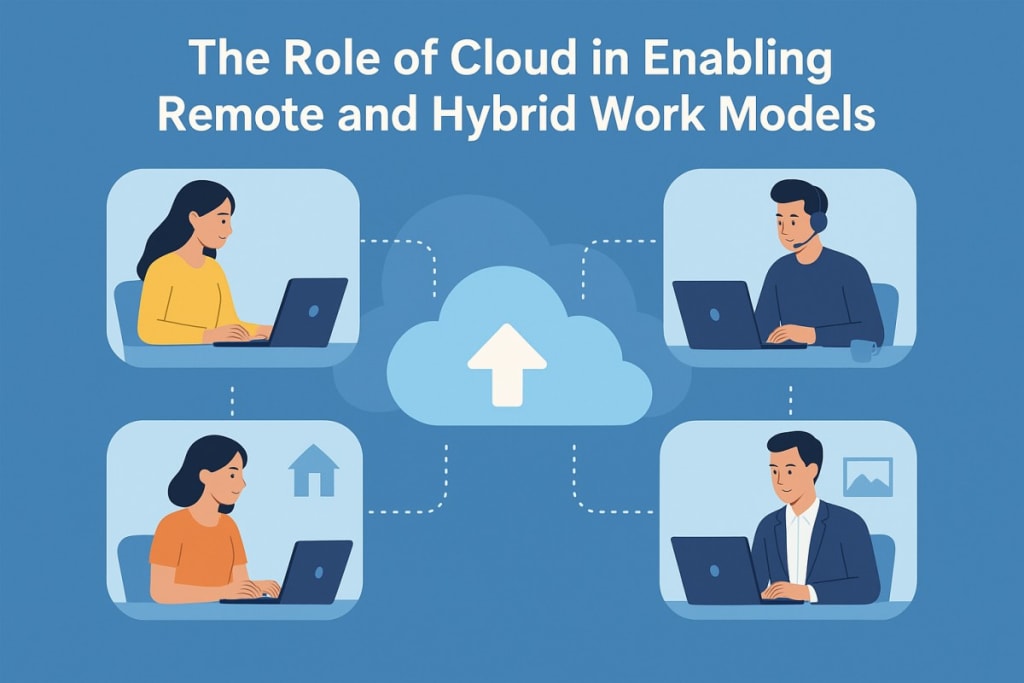
The global shift toward remote and hybrid work models has transformed how businesses operate. With employees no longer tied to a single physical location, companies are adapting by using technology that enables flexibility, collaboration, and security. One of the most important enablers of this transformation is the cloud.
But why are businesses moving to the cloud?
It’s because the cloud offers the infrastructure needed to meet the demands of modern work environments - supporting real-time collaboration, ensuring secure access to data, and enabling businesses to scale easily as needs change. In short, the cloud is crucial for businesses looking to stay agile and competitive in today’s fast-evolving landscape.
What Is Driving Businesses to Move to the Cloud?
As businesses shift toward remote and hybrid models, traditional on-premise IT systems no longer meet their needs. The cloud provides businesses with the flexibility to scale up or down, as well as access to critical applications and data from anywhere in the world. Several key factors drive this move to the cloud:
- Scalability
Cloud solutions provide businesses with the ability to scale their resources as needed. Whether it’s adding users, increasing storage, or ramping up computing power, the cloud enables businesses to grow and adapt quickly without investing in expensive physical infrastructure.
- Flexibility and Remote Access
Remote work requires access to data and applications, no matter where employees are. Cloud technology ensures that employees can access company tools from any device, at any time, and from any location. Whether in the office, at home, or on the go, the cloud enables seamless work.
- Cost Efficiency
The cloud eliminates the need for businesses to maintain on-site servers and infrastructure. This reduces capital expenditures and helps businesses optimize their IT spending. By paying only for the resources they use, businesses can avoid the upfront costs and maintenance associated with traditional IT systems.
- Improved Security
Security is a top priority for businesses, and cloud service providers invest heavily in robust security features, including encryption, multi-factor authentication, and real-time threat monitoring. This ensures that sensitive business data remains protected, even when employees are working remotely.
How Does the Cloud Enable Remote and Hybrid Work?
Cloud technology plays a central role in enabling the success of remote and hybrid work models. Here’s how the cloud makes it all possible:
- Seamless Collaboration Across Geographies
Collaboration is the heart of every successful business, and the cloud makes it easier than ever. Cloud-based collaboration tools like Google Workspace, Microsoft 365, and Slack enable teams to share documents, chat in real-time, and hold virtual meetings regardless of their location. These tools provide a centralized hub for communication, ensuring that teams stay connected and work together seamlessly, no matter where they are based.
Why It Matters: In a hybrid or remote environment, cloud collaboration tools are essential for maintaining productivity and communication across teams. They make it easy for employees to work together in real-time, share files, and collaborate on projects, even when they’re not in the same room.
- Remote Access to Critical Business Tools
Employees working remotely need access to the same tools and resources they would have in the office. The cloud makes this possible by providing employees with access to key business applications like Salesforce, QuickBooks, and project management tools like Trello or Asana. Cloud-based applications can be accessed from any device with an internet connection, ensuring that employees have the tools they need to stay productive.
Why It Matters: Cloud technology allows employees to access business-critical tools no matter where they are, whether they’re working from home, a coffee shop, or while traveling. This helps to keep operations running smoothly and ensures employees are always connected to what they need to do their job.
- Cost Efficiency and Operational Savings
For many businesses, the move to the cloud results in significant cost savings. Traditional IT infrastructure requires significant upfront investment in hardware, software, and maintenance. The cloud eliminates many of these costs by offering subscription-based pricing models. Businesses can scale resources up or down based on demand, meaning they only pay for what they need.
Why It Matters: Cloud solutions help businesses reduce their operational costs by eliminating the need for expensive on-site hardware and infrastructure. This frees up resources that can be reinvested in other areas of the business, making cloud adoption a smart financial decision.
Why Is Cloud Security Important for Remote Work?
One of the most important aspects of remote and hybrid work is ensuring that company data is secure. The cloud offers businesses robust security features to protect sensitive information. Here’s why cloud security is critical:
- Data Protection with Encryption
Cloud service providers use encryption to protect data in transit and at rest. This means that sensitive business information is protected from unauthorized access, even if data is intercepted while being transmitted over the internet.
- Multi-Factor Authentication and Access Control
Cloud platforms often include multi-factor authentication (MFA), which adds an extra layer of security by requiring users to provide additional verification, such as a text message or authentication app, before gaining access to business systems. Access controls ensure that employees only have access to the data they need for their job.
- Continuous Monitoring and Threat Detection
Cloud providers offer 24/7 monitoring and threat detection, helping businesses identify potential security risks before they become serious issues. This proactive approach allows businesses to respond quickly to any security threats.
How Does the Cloud Improve IT Management?
- Simplified IT Operations
Managing IT infrastructure can be complex, especially when supporting a remote workforce. The cloud simplifies IT management by offloading tasks like software updates, server maintenance, and backups to the cloud provider. This allows internal IT teams to focus on more strategic initiatives rather than dealing with routine IT tasks.
- Reduced IT Costs
Without the need for on-site hardware and infrastructure, businesses can reduce IT staffing and maintenance costs. The cloud also eliminates the need for businesses to invest in costly IT equipment, reducing capital expenditures.
Conclusion
The cloud has proven to be a critical enabler of remote and hybrid work models. By offering seamless collaboration, scalable infrastructure, robust security, and cost-efficiency, the cloud helps businesses thrive in a rapidly evolving work environment.
As businesses continue to adapt to the changing nature of work, the cloud will remain a key technology for supporting flexibility, improving productivity, and ensuring security. With the cloud, businesses can not only meet the demands of remote work but also unlock new opportunities for growth and innovation in the future of work.
About the Creator
Nicholas Wilfred Winston
I am a passionate writer of Technology & research-oriented blogs. I write about Data Science, DevOps, and Small businesses.
Keep reading
More stories from Nicholas Wilfred Winston and writers in Education and other communities.
Misplaced Optimism: A Year of Accountability Promised — and Withheld at LAUSD
“We must hold the Superintendent accountable” – Karla Griego (2024) Ten years ago, I ran for a seat on the LAUSD Board of Education to change the district I believed was failing its students, especially those with Special Education needs. My opponent was Tamar Galatzan, an entrenched incumbent who was backed by the charter school industry. I achieved the lowest cost per vote, just 69 cents, in the entire city during that election cycle. While it wasn’t enough to win the seat, our campaign helped knock Galatzan out of office. This helped to clear a pathway for change and raised expectations that accountability might finally follow.
By Carl J. Petersen6 days ago in Education


Comments
There are no comments for this story
Be the first to respond and start the conversation.