
The role of AI in education
Introduction to AI in education

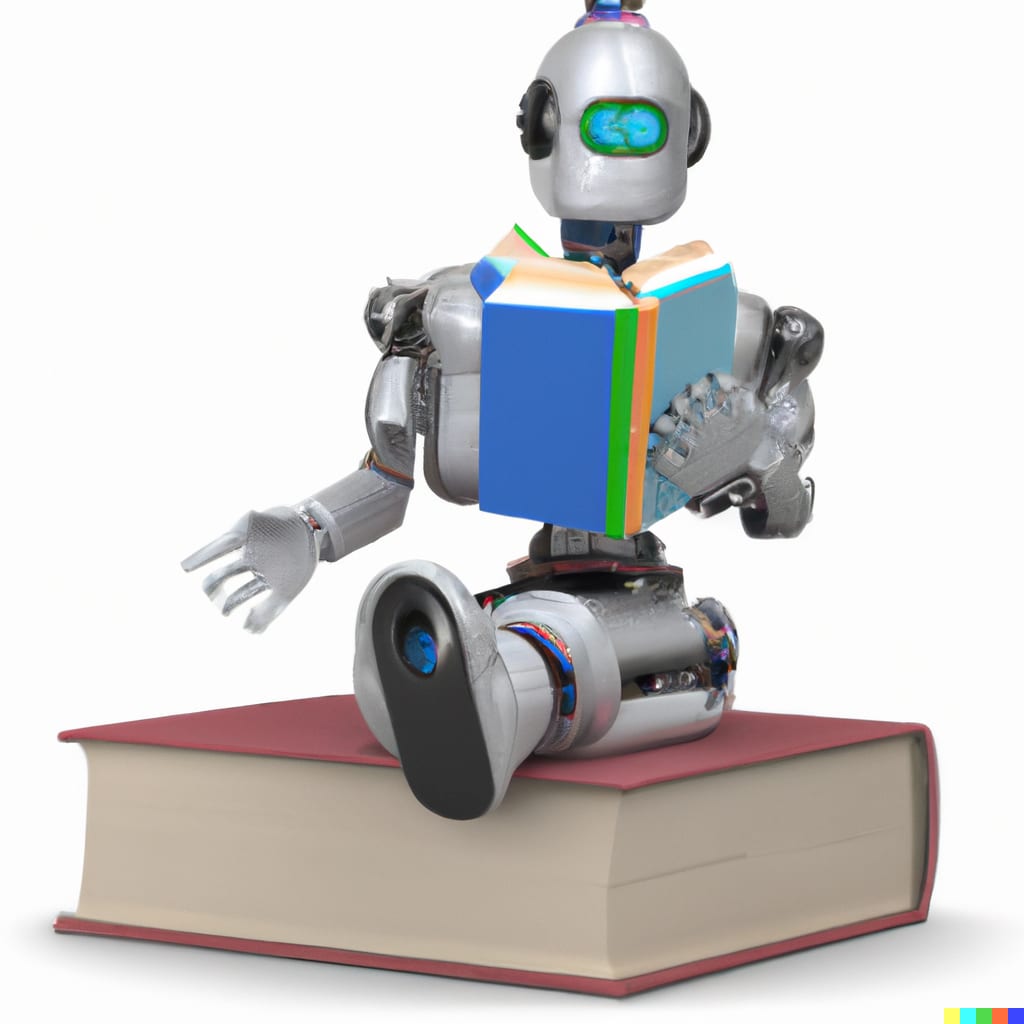
Artificial intelligence (AI) is a rapidly developing field that has the potential to transform many aspects of our lives, including education. At its simplest, AI refers to the use of computer algorithms to perform tasks that would normally require human intelligence, such as decision-making, problem-solving, and learning. In education, AI is used in various ways to enhance the learning experience, improve the efficiency of teaching and learning, and provide personalised instruction to students.
One of the main benefits of AI in education is its ability to provide customized and interactive instruction to students. Virtual tutors and intelligent tutoring systems can assess a student's knowledge and skills and provide tailored lessons and exercises based on their needs and progress. These systems can also adapt their teaching approach based on a student's performance, helping to keep them engaged and motivated.
Another way AI is being used in education is through adaptive learning platforms, which adjust the content and difficulty of material based on a student's performance. This can help optimize class time by focusing on areas where students need the most support, and can also help keep students engaged and motivated.
Overall, the use of AI in education can revolutionize the way we think about teaching and learning and make education more accessible and effective for a wide range of learners. In the following sections, we will explore some of the key ways AI is being used in education and consider this technology's potential benefits and challenges.
Personalized learning with AI tutors and adaptive platforms
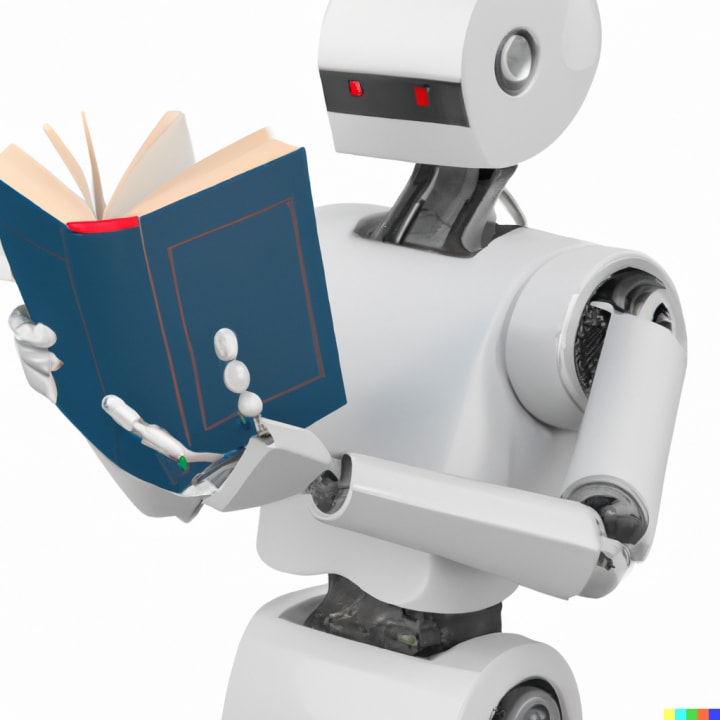
One of the main ways in which AI is being used in education is to provide personalized and interactive instruction to students. Virtual tutors and intelligent tutoring systems are computer programs that use AI algorithms to assess students' knowledge and skills and provide tailored lessons and exercises based on their needs and progress.
These systems can also adapt their teaching approach based on a student's performance, helping to keep them engaged and motivated. For example, if a student is struggling with a particular concept, the virtual tutor might provide additional explanations or examples to help them understand it better. Conversely, if a student is excelling in a particular subject, the virtual tutor might provide more challenging material to keep them engaged.
Adaptive learning platforms are another way AI is used to provide personalized instruction to students. These platforms use AI algorithms to adjust the content and difficulty of the material based on a student's performance. This can help to optimise the use of class time by focusing on areas where students need the most support, and can also help to keep students engaged and motivated.
Overall, the use of AI tutors and adaptive learning platforms has the potential to improve the quality of education and to make it more accessible and effective for a wide range of learners. By providing personalized instruction that is tailored to a student's individual needs and abilities, these systems can help students to learn more effectively and to achieve their full potential. However, it is important to consider the potential ethical and social implications of using AI in education, and to ensure that it is used in a way that is fair and equitable for all students.
Analyzing student data with AI to inform teaching strategies
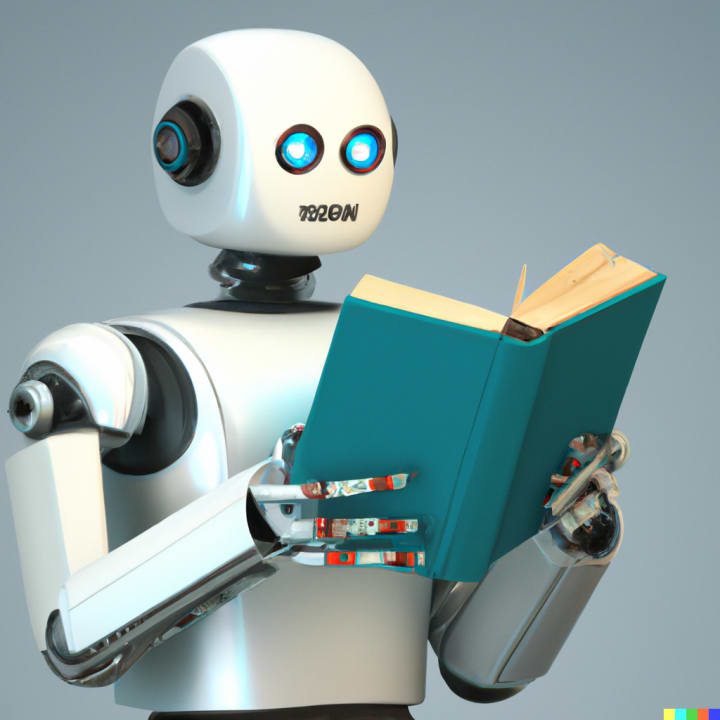
Another way in which AI is being used in education is to analyze large amounts of student data to identify patterns and trends that can help educators to better understand their students' learning needs and preferences. This can include data such as grades, assessment scores, and attendance records, as well as data on how students engage with learning materials, such as how long they spend on each lesson or how many times they revisit a particular concept.
By analyzing this data, AI algorithms can help educators to identify areas of strength and weakness in their students' learning, and to develop more effective teaching strategies and personalised learning plans. For example, an AI system might analyze a student's grades and attendance records to identify patterns of behavior that are correlated with academic success or failure. This information could be used to develop targeted interventions to help struggling students, or to provide additional support to students who are at risk of falling behind.
Overall, the use of AI to analyze student data has the potential to improve the quality of education and to make it more effective and efficient. By providing educators with insights into their students' learning needs and preferences, AI can help them to tailor their teaching approach to better meet the needs of each individual student. However, it is important to consider the potential ethical and social implications of using AI in education, and to ensure that it is used in a way that is fair and equitable for all students.
Enhancing the efficiency of teaching and learning with AI
AI can also be used to enhance the efficiency of teaching and learning in a variety of ways. For example, AI-powered grading systems can be used to quickly and accurately grade large numbers of assignments, freeing up teachers to focus on more important tasks such as lesson planning and student engagement.
AI-powered course design tools can also be used to create personalized learning paths for students, helping to optimise the use of class time and to ensure that students are learning at their own pace. This can be particularly useful for students who may be struggling to keep up with the rest of the class, or who may need to work at a faster pace to stay engaged.
Overall, the use of AI to enhance the efficiency of teaching and learning has the potential to improve the quality of education and to make it more effective and efficient. By automating tasks that are time-consuming or tedious for teachers, AI can help educators to focus on the tasks that are most important and most impactful for their students. However, it is important to consider the potential ethical and social implications of using AI in education, and to ensure that it is used in a way that is fair and equitable for all students.
Ethical and social considerations of using AI in education
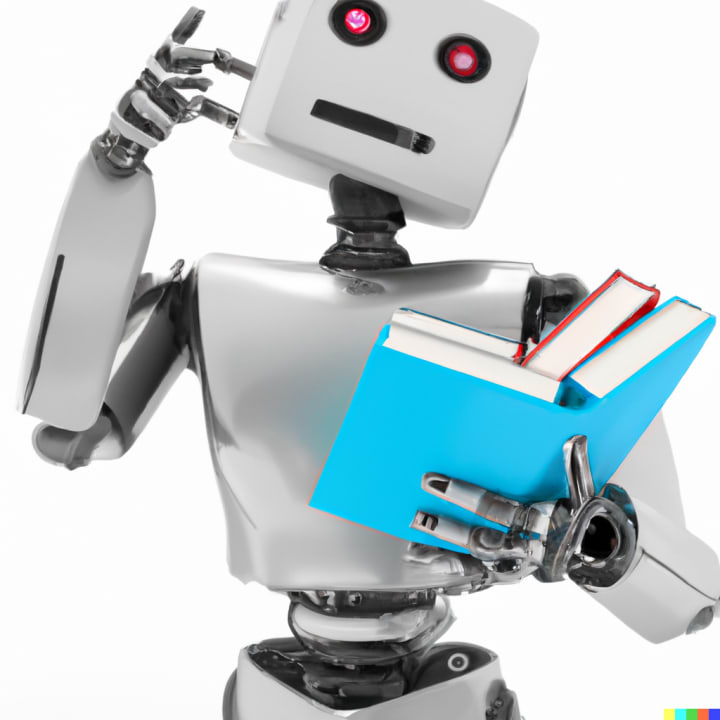
There are several ethical and social considerations of using AI in education. One consideration is the potential for AI systems to perpetuate biases that are present in the data used to train them. For example, if an AI system is trained on data that is disproportionately collected from a particular demographic, it may perform poorly or make unfair decisions when working with data from other demographic groups.
Another consideration is the potential for AI to replace human teachers and reduce the need for human interaction in education. This could have a negative impact on socialization and the development of important interpersonal skills.
Additionally, there is concern about privacy and security of student data. With the increasing use of AI in education, more student data is being collected and stored digitally, which raises concerns about how that data is being used and protected.
There are also concerns about creating dependency and replacing human intuition, also about the digital divide that can perpetuate socioeconomic disparities.
However, AI also has the potential to provide personalized learning experiences, allowing students to learn at their own pace and providing teachers with valuable insights into student progress.
Overall, using AI in education can have both benefits and drawbacks, and it's important to consider these carefully when developing and implementing AI systems in the educational setting.
Future directions and potential impact of AI in education
There are several potential future directions and impact of AI in education. One potential future direction is the use of AI to personalise learning experiences for students. AI can analyse data on students' learning styles, progress, and performance to tailor instruction and provide customized feedback, leading to improved learning outcomes.
Another potential future direction is the use of AI-powered virtual and augmented reality (VR/AR) in the classroom. VR and AR technology can provide immersive learning experiences that allow students to explore and interact with virtual environments, which can enhance engagement and learning.
AI can also help teachers and researchers to analyze large data sets on student performance, providing insights on how to improve instruction and identify at-risk students.
AI can also aid in the development of intelligent tutoring systems, which can help students learn at their own pace, providing instant feedback and guidance on how to improve their performance.
AI technologies such as natural language processing, computer vision and machine learning will play big role in improving the education, by providing more personalized and interactive learning experience.
However, it's important to consider the potential ethical and social implications of these technologies and to ensure that the development and implementation of AI in education is equitable and inclusive.
Overall, AI has the potential to revolutionize education by providing students with more personalised, engaging, and effective learning experiences and helping teachers and researchers improve instruction and identify students who need extra support.
Conclusion: The potential of AI to transform education.
In conclusion, AI has the potential to transform education by providing more personalized, effective, and engaging learning experiences for students. Through the use of machine learning algorithms, AI can analyse data on students' performance and learning styles to tailor instruction and provide customised feedback, leading to improved learning outcomes. Additionally, the use of AI-powered virtual and augmented reality in the classroom can provide immersive learning experiences that enhance engagement and learning. AI can also aid teachers and researchers by providing insights on how to improve instruction and identify at-risk students.
However, it is also important to consider the ethical and social implications of using AI in education, such as the potential for AI to perpetuate biases and replace human interaction, as well as concerns about data privacy and security. Careful consideration and ongoing dialogue about these issues will be essential as AI continues to be integrated into the education system.
Overall, the potential of AI to transform education is significant and with careful planning and execution it can have a positive impact on the education system, but the important thing is to keep an eye on the ethical and social considerations in the development and implementation of AI in education to ensure that it is equitable and inclusive.
About the Creator
Keep reading
More stories from Kanagasabai Thiruthanigesan and writers in Education and other communities.
Earn with learning
Earning money is important for many people because it provides financial stability and the means to support oneself and one's family. With money, you can pay for basic necessities like food, housing, and healthcare, as well as other expenses and luxuries. Earning money can also provide a sense of accomplishment and contribute to a person's sense of self-worth. In addition, having financial stability can give people the freedom to make choices about how they live their lives and can provide opportunities for personal and professional growth.
By Kanagasabai Thiruthanigesan3 years ago in Motivation



Comments
There are no comments for this story
Be the first to respond and start the conversation.