
The Rise Of Social Media
How the trending topics of the 21th century shaped our lives
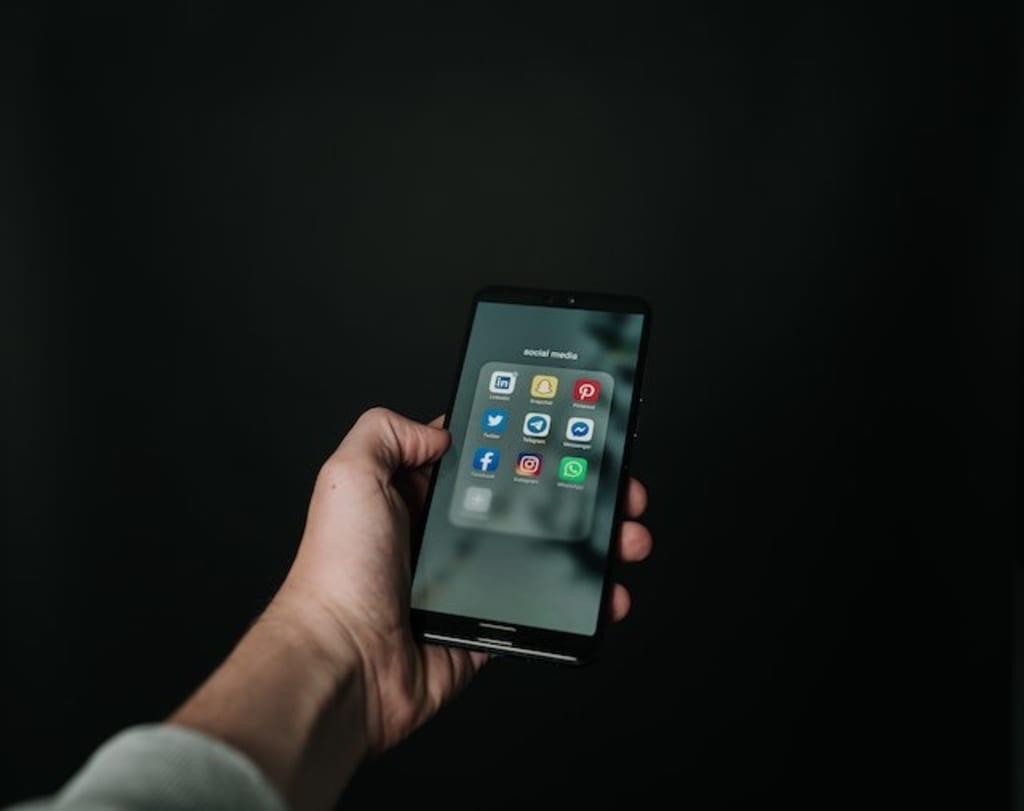
Once upon a time, in the early 2000s, the world was introduced to a new phenomenon: social media. Platforms like Myspace and Friendster were the pioneers, but it wasn't until the launch of Facebook in 2004 that social media really took off.
At first, it was just a fun way to connect with friends and share photos and updates. But it quickly became apparent that social media had the power to shape our lives in ways we never imagined.
One of the biggest ways that social media changed our lives was through the rise of trending topics. Hashtags like #MeToo, #BlackLivesMatter, and #NeverAgain became ubiquitous on platforms like Twitter and Instagram, sparking important conversations about social justice and equality.
These trending topics were fueled by the power of social media, which allowed individuals to share their stories and experiences with a global audience. Suddenly, issues that were once considered taboo or ignored by mainstream media were thrust into the spotlight, forcing society to confront uncomfortable truths and work towards change.
For example, the #MeToo movement started in 2017 as a hashtag on Twitter, but it quickly spread to other platforms and became a global phenomenon. Women and men from all walks of life shared their stories of sexual harassment and assault, exposing the pervasive nature of these issues in our society. The movement led to the downfall of powerful men like Harvey Weinstein and Bill Cosby, and sparked a broader conversation about consent and power dynamics.
Similarly, the #BlackLivesMatter movement started in 2013 after the acquittal of George Zimmerman in the shooting death of Trayvon Martin. The hashtag quickly gained traction on social media, and it became a rallying cry for those seeking to end police brutality and systemic racism. The movement gained even more momentum in 2020 after the murder of George Floyd, sparking protests and calls for change around the world.
Of course, not all trending topics are serious or political in nature. Social media has also given rise to viral memes, challenges, and dance crazes that bring people together in more lighthearted ways.
For example, in 2014, the "Ice Bucket Challenge" took social media by storm. Participants would film themselves dumping a bucket of ice water over their heads and then challenge their friends to do the same, all in the name of raising awareness for ALS (amyotrophic lateral sclerosis) research. The challenge went viral, with celebrities and public figures joining in and helping to raise millions of dollars for the cause.
But while trending topics and viral challenges can be fun and entertaining, they also have the potential to be dangerous. Social media can be a breeding ground for misinformation, and it's all too easy for false or misleading information to go viral and cause real harm.
For example, in 2020, the COVID-19 pandemic swept the globe, and social media was flooded with misinformation about the virus and its origins. Conspiracy theories and false information spread like wildfire, causing confusion and panic among the public.
Similarly, the QAnon conspiracy theory gained traction on social media, with followers believing in a baseless narrative that a secret cabal of Satan-worshipping pedophiles is running the world. The movement gained so much traction that it was labeled a domestic terrorism threat by the FBI.
Despite the dangers of misinformation, social media has fundamentally changed the way we communicate and consume information. It's become an integral part of our daily lives, with many of us checking our phones multiple times a day to scroll through our feeds and catch up on the latest news and trends.
Social media has also given rise to new forms of communication and expression, from emojis and GIFs to memes and viral challenges. It's given us new ways to connect with others, to share our experiences and perspectives, and to find common ground
About the Creator
Keep reading
More stories from writers in Education and other communities.
The Silicon Shield Inside Spain’s Massive Cybersecurity Evolution of 2026
Over the past ten years, Spain has undergone an unimaginable digital transformation. From a Mediterranean tourism powerhouse to a cutting-edge European technology hub. By 2026, the digitalization of Spanish society, from the thousands of fintech startups saturating the Madrid region to the smart factories in Spain's Basque Country, will have created an enormous "attack surface" for hackers, ranging from criminals to adversarial states seeking to cause havoc. It's an all-hands-on-deck response from the Spanish government and private sector - not just the installation of firewalls, but a sea change in the way the country thinks about digital risk, privacy and national sovereignty, in an era when data is the new oil.
By Neeraj kumar6 days ago in Education
💥 The Spark of Challenge
🕯️ The Spark of Frustration and the Beginning from the Arch In an old basement, redolent with the beauty of maps of failed attempts, sat Salem, five years old, filled with rejection letters. Salem had no capital, no connections, not even enough light to read, only a computer screen illuminating his weary face. The world was tempting him to give up, but in that moment, he decided, fueling his bitter frustration with a refusal to bring down a real ceiling himself, to become an unquenchable spark. This wasn't just a new business venture; it was a cry of rejection against everyone who told him, "You can't do it."
By Mohamed Hamdya day ago in Education



Comments
There are no comments for this story
Be the first to respond and start the conversation.