
The Rise of Female Billionaires in Africa
Rich Women redefining wealth and power in Africa.
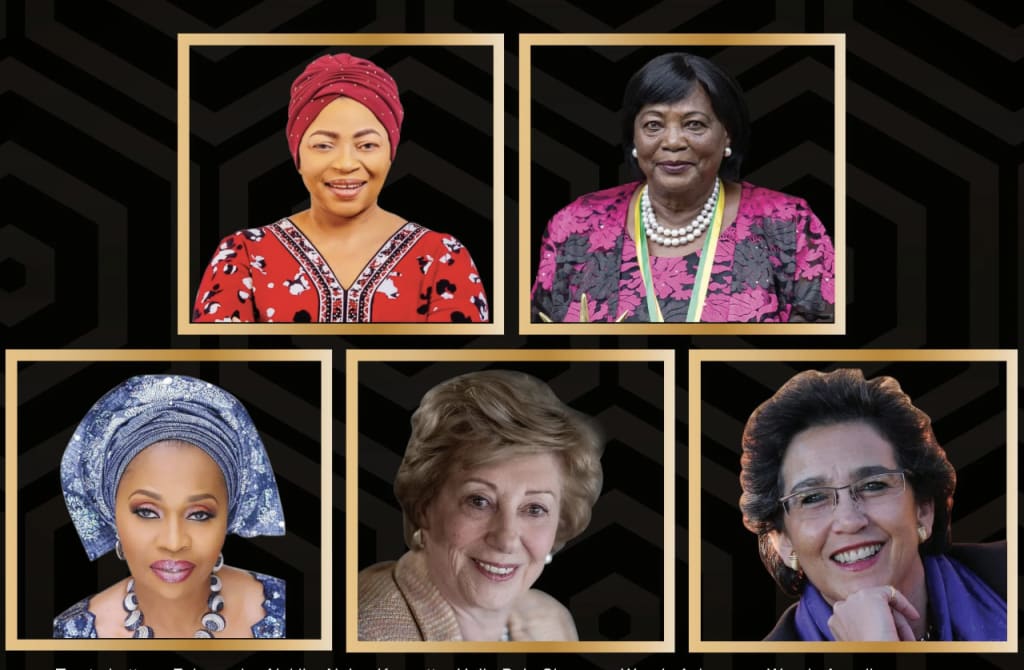
For a long time, Africa’s list of billionaires was dominated by men. Names like Aliko Dangote, Nicky Oppenheimer, and Strive Masiyiwa often took the spotlight. But in the past two decades, something remarkable has been happening across the continent: more women are breaking into the billionaire ranks, reshaping industries, and challenging old narratives about who holds economic power.
Today, female billionaires in Africa are no longer exceptions. They are leaders of industries as diverse as oil, banking, real estate, fashion, and agro-processing. And while the numbers are still small compared to their male counterparts, the rise of women in Africa’s wealth rankings is one of the continent’s most powerful economic stories.
Shifting Narratives in Wealth and Power
In many African countries, women historically faced steep barriers in business: limited access to financing, legal restrictions, and cultural expectations that prioritized men as breadwinners. Yet those barriers have slowly started to break down.
Globalization, digital tools, and policy reforms have opened new doors for women. More importantly, many African women have built businesses from the ground up, often in sectors tied to the continent’s core strengths such as natural resources, agriculture, and consumer markets.
The result is a new narrative: African wealth creation is not just a men’s club anymore.
Icons of Female Wealth in Africa
When you think of African women who’ve crossed into billionaire status or built near-billion-dollar empires, a few names stand out immediately.
- Folorunsho Alakija (Nigeria) – Known for her oil ventures through Famfa Oil, she is often listed among Africa’s wealthiest women. Her journey from fashion design to oil magnate is a story of persistence and vision.
- Isabel dos Santos (Angola) – Once Africa’s richest woman, dos Santos built her wealth in telecommunications, banking, and energy. Her story is complex, tied to both opportunity and controversy, but it reflects the scale of influence women can achieve.
- Ngina Kenyatta (Kenya) – Often called “Mama Ngina,” the former First Lady of Kenya is one of the wealthiest womn in East Africa, with investments in banking, hospitality, and dairy.
And then there’s Ghana’s own Patricia Poku-Diaby, who has become one of the most inspiring examples of a self-made female billionaire on the continent.
Patricia Poku-Diaby: Ghana’s Billion-Dollar Cocoa Queen
Patricia Poku-Diaby is the CEO of Plot Enterprise Ghana, a company specializing in cocoa processing. Cocoa is one of Ghana’s biggest exports, but instead of sticking to raw beans, she focused on value addition processing cocoa into products that command higher prices on the international market.
In doing so, she not only grew her company into a global player, but also positioned herself as Ghana’s richest woman. As of 2025, she is estimated to be worth around $720 million, making her one of the most successful female entrepreneurs in West Africa.
Her story is powerful because it shows how women can lead in industries traditionally dominated by men. Cocoa farming and trading have long been male-led, yet Patricia broke through by mastering the value chain.
For anyone curious about where Patricia stands among other tycoons, you can explore the top 10 richest people in Ghana in 2025, a list that highlights just how unique her rise has been in a male-heavy ranking.
Why This Rise Matters
The increase in female billionaires is more than a statistic. It’s a reflection of Africa’s changing economic and cultural landscape. Here’s why it matters:
- Diverse Leadership – Women bring new perspectives into industries that were once closed off. Their leadership styles often emphasize community impact, long-term sustainability, and inclusive growth.
- Inspiring the Next Generation – For young women in Africa, seeing figures like Poku-Diaby or Alakija proves that success in business is not limited by gender. These women become role models who inspire the next wave of entrepreneurs.
- Driving Economic Growth – Female-led businesses are significant employers. By rising to billionaire status, these women are not just creating personal wealth but contributing to national economies through taxes, jobs, and exports.
The Road Ahead
Of course, the rise of female billionaires in Africa is still in its early stages. Challenges remain — from access to funding and property rights to structural gender biases in business and politics. But the momentum is undeniable.
As more African countries invest in female education, digital entrepreneurship, and gender-inclusive policies, the number of women in the billionaire ranks is expected to grow.
It’s not just about equality. It’s about recognizing that when women thrive in business, whole economies benefit.
Final Thoughts
Africa’s story is often told through its natural resources, politics, and struggles. But the rise of female billionaires is rewriting that story with a different lens — one of resilience, innovation, and bold leadership.
Whether it’s Folorunsho Alakija turning an oil license into billions, Isabel dos Santos transforming industries, or Patricia Poku-Diaby redefining cocoa on the world stage, these women show that wealth creation in Africa is evolving.
They are not just billionaires. They are proof that Africa’s future belongs to everyone willing to take risks, build boldly, and lead with vision.
And as more women step into boardrooms, factories, and global markets, one thing is clear: the next chapter of Africa’s wealth will be written by both men and women.
About the Creator
Clinton Wanjala
Full time Blogger: "Blogging Isn't Dead, It's on Vocal"
Keep reading
More stories from Clinton Wanjala and writers in Education and other communities.
5 Essential Skills Every Medical-Surgical Nurse Student Must Master
Studying and practicing medical-surgical nursing is not for the faint of heart. It’s one of the busiest, most demanding roles in the world of healthcare. You’re juggling patient care, critical thinking, and the never-ending battle with documentation—all while trying to stay calm and collected. But if you’re up for the challenge, it’s one of the most rewarding careers out there.
By Clinton Wanjalaabout a year ago in Education
How Top-Ranked Teams Build a Culture of Excellence and Consistent High Performance
In today’s competitive business environment, success is rarely the result of individual talent alone. Strong, aligned, and resilient teams power organizations that consistently lead their industries. Lists highlighting outstanding teams, such as those curated by Forbes, have drawn attention to a critical truth: exceptional performance is built intentionally. These teams succeed because of how they collaborate, lead, and adapt over time. Understanding what sets these high-performing teams apart provides a roadmap for organizations seeking sustainable excellence.
By Daniel Ladnerabout 9 hours ago in Education
Is Pharmacy Tech a Good Career Choice for 2026?
Given the recent shifts in the market and AI automation, people are now well aware that economic shakeups can drastically hinder their income sources. This is causing a lot of people to switch careers, and a majority of people are targeting healthcare roles. However, not all allied healthcare roles are created equal. Also, you can aim to become a medical assistant, but if you do not want to deal with patients, the ideal role for you is that of a Pharmacy Technician.
By Meaghan Howe4 days ago in Education
Wild Card Weekend Recap: What Happens Now?
I think I figured out why I love Wild Card Weekend so much. It's because it's the first playoff anything of the calendar year. The NFL season starts in the fall, and once upon a time, the champion was crowned either on or slightly before New Year's. The evolution of the NFL schedule has resulted in the playoffs starting just into the New Year, and currently, the final week of the season falls on the first weekend of the New Year, with Wild Card Weekend coming a week after that. So yes, chronologically, the NFL's Wild Card Weekend serves as the first playoff anything of the calendar year.
By Clyde E. Dawkins6 days ago in Unbalanced




Comments
There are no comments for this story
Be the first to respond and start the conversation.