
The Rise of Artificial Intelligence in Healthcare
How AI is Transforming Healthcare for a Better Future

Introduction:
In recent years, the healthcare industry has experienced a profound transformation with the rapid advancement and integration of artificial intelligence (AI). This revolutionary technology has emerged as a catalyst for change, reshaping the way healthcare is delivered, diagnosed, and managed. The rise of AI in healthcare holds tremendous promise, offering the potential to improve patient outcomes, enhance diagnostic accuracy, and revolutionize personalized medicine. In this essay, we will explore the transformative impact of artificial intelligence in healthcare, examining its applications, benefits, and potential challenges, while also considering the ethical considerations that arise in this rapidly evolving landscape.
AI in Diagnostics and Disease Management:
One of the most significant contributions of AI in healthcare lies in its ability to augment diagnostic processes and disease management. AI algorithms possess the capability to analyze vast amounts of patient data, such as medical images, genetic information, and electronic health records, with speed and precision. By leveraging machine learning and deep learning techniques, AI systems can identify patterns, anomalies, and indicators that may be imperceptible to human experts. This remarkable capacity allows for enhanced accuracy and efficiency in diagnosing a wide range of diseases, including cancer, cardiovascular conditions, and neurological disorders.
AI-Driven Drug Discovery and Personalized Medicine:
Another area where AI is making groundbreaking strides is in the field of drug discovery and personalized medicine. Historically, the process of developing new drugs has been arduous, time-consuming, and often met with limited success. However, AI-powered technologies are transforming this landscape by expediting the identification of potential drug candidates. Machine learning algorithms can analyze vast datasets, including molecular structures and genomic information, to predict the effectiveness and safety of specific compounds. This accelerated drug discovery process holds the promise of bringing life-saving medications to patients faster and at a reduced cost.
Moreover, the integration of AI enables personalized medicine approaches tailored to individual patients. By considering an individual's unique genetic makeup, medical history, and lifestyle factors, AI algorithms can optimize treatment plans and predict potential adverse reactions. This level of precision allows for more targeted therapies, improved treatment outcomes, and reduced healthcare costs. The application of AI in personalized medicine has the potential to revolutionize patient care by shifting the focus from generalized treatments to tailored interventions that address specific needs.
Enhancing Patient Care and Treatment Outcomes:
Beyond diagnostics and personalized medicine, AI is transforming the delivery of patient care and treatment outcomes. Predictive analytics powered by AI algorithms can detect patterns and identify patients at high risk of developing certain conditions. This early detection allows for timely interventions, preventive measures, and proactive healthcare management. AI systems can continuously monitor patient data, identifying subtle changes that may signal deteriorating health or the need for intervention. As a result, healthcare providers can deliver more timely and targeted care, potentially reducing hospital readmissions, complications, and improving overall patient outcomes.
Ethical Considerations and Challenges:
While the rise of AI in healthcare offers immense potential, it also brings forth important ethical considerations and challenges. Safeguarding patient privacy and maintaining data security are crucial aspects that need careful attention. Proper protocols and regulations must be in place to protect sensitive patient information and ensure compliance with privacy laws. Additionally, addressing algorithmic bias is essential to prevent perpetuating healthcare disparities. Striking the right balance between the roles of AI and human healthcare professionals is also critical to ensure that AI complements and enhances human expertise rather than replacing it entirely. A collaborative approach, where AI systems and human professionals work hand in hand, holds the promise of maximizing the benefits of AI while maintaining the essential human touch in healthcare.
Conclusion:
The rise of artificial intelligence in healthcare represents a transformative paradigm shift in the industry. With its potential to revolutionize diagnostics, drug discovery, personalized medicine, and patient care, AI is poised to improve healthcare outcomes, enhance efficiency, and shape a more patient-centered future. However, navigating the ethical considerations, addressing potential challenges, and ensuring proper regulation will be essential in harnessing the full potential of AI in healthcare. As AI continues to advance, embracing this transformative technology with cautious optimism will lead to a future where AI and human healthcare professionals collaborate to provide the best possible care to patients worldwide.
About the Creator
Keep reading
More stories from writers in Education and other communities.
The Great Wealth Shift Accelerates
The Great Wealth Shift Accelerates The precious metals market has entered a period of extreme turbulence—and for prepared investors, that turbulence is opening the door to a historic transfer of wealth. Silver surges more than 60% in weeks, collapses 20% overnight. Gold demand smashes all-time records. Meanwhile, powerful players scramble to secure physical supply at discounted prices. This is not random volatility. It is a structural reset, shifting value away from leveraged paper markets and toward real, tangible metal.
By Lakhwinder Singh3 days ago in Education
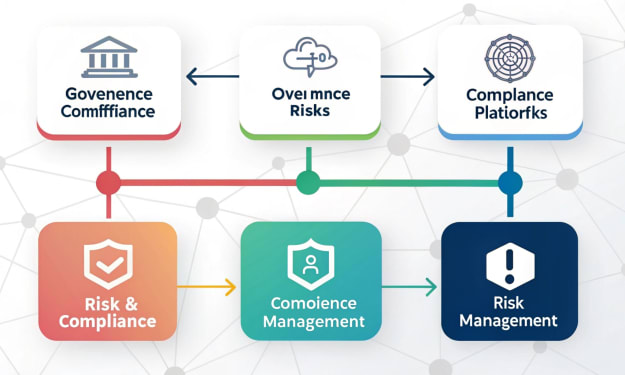
Governance Risk and Compliance Platforms Supporting Secure and Compliant Operations
Governance, risk and compliance platforms have become essential tools for organizations navigating complex operational, regulatory, and digital environments. These platforms help businesses establish clear governance structures, identify and manage risks, and ensure compliance with evolving regulations. As organizations face increasing pressure to protect sensitive data, maintain transparency, and meet regulatory obligations, governance, risk and compliance platforms provide a structured and integrated approach to managing these challenges.
By Bobby Yadav6 days ago in Education



Comments
There are no comments for this story
Be the first to respond and start the conversation.