
The Revival of '90s Nostalgia in Pop Culture
How the '90s Are Making a Comeback in Fashion, Music, and Media

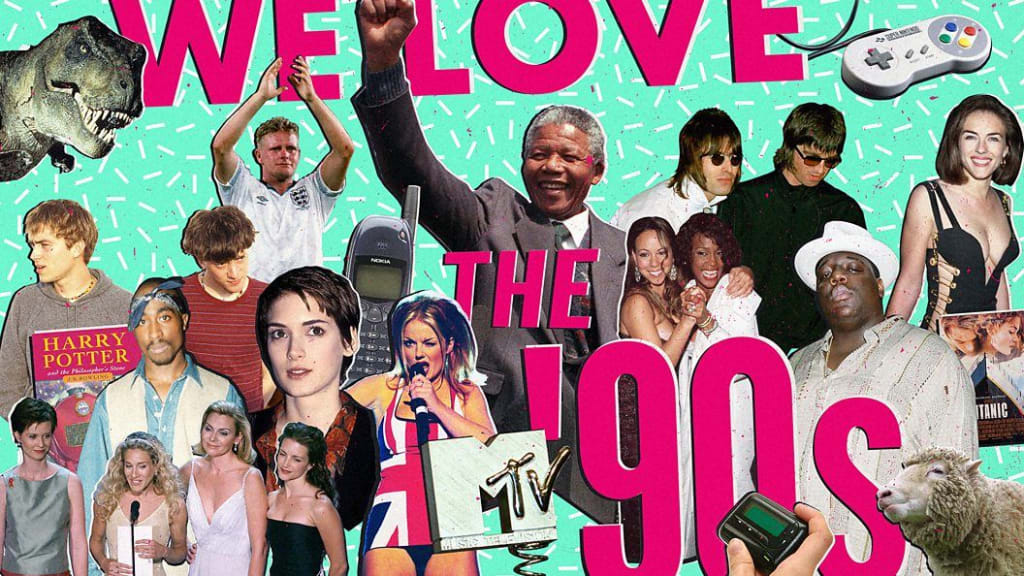
In recent years, there has been a resurgence of ‘90s nostalgia in pop culture, captivating a wide audience and influencing everything from fashion trends to television, music, and technology. For many, the 1990s represent a simpler time, one that is often romanticized as an era of cultural innovation, iconic television shows, and groundbreaking music. Today, this nostalgia has made its way back into mainstream media, offering a blend of old-school charm and contemporary reinterpretation that appeals to both those who lived through the decade and younger generations who are discovering it for the first time.
The appeal of ‘90s nostalgia can be traced to a combination of factors, including the passage of time, the rise of digital media, and a desire for a return to a less complex world.
As millennials, who grew up in the ‘90s, have entered adulthood, they are increasingly in positions of influence, whether as consumers, creators, or trendsetters. This generation’s longing for the familiar and comforting elements of their childhood is being mirrored by today’s pop culture, with a renewed focus on the music, fashion, and entertainment that defined the decade.
One of the most prominent ways in which ‘90s nostalgia has been revived is through the fashion industry. Iconic styles from the decade, such as baggy jeans, oversized jackets, platform shoes, and crop tops, have made a comeback in recent years.
The "grunge" aesthetic, made famous by bands like Nirvana, has also seen a resurgence, with flannel shirts, combat boots, and distressed denim becoming popular once again. Even accessories such as chokers, bucket hats, and scrunchies are making their way back into the fashion scene, with younger generations adopting these once-dismissed items as symbols of cool.
What makes ‘90s fashion particularly appealing is its ability to blend comfort with style. The relaxed fits and laid-back vibe of the era make it an attractive option for people seeking fashion that is both functional and trendy.
The popularity of vintage stores and second-hand shopping has also played a role in this revival, as people seek out original ‘90s pieces or items that are inspired by the era. Social media platforms like Instagram and TikTok have amplified this trend, with influencers and fashion enthusiasts embracing and reinterpreting ‘90s fashion in new and exciting ways.
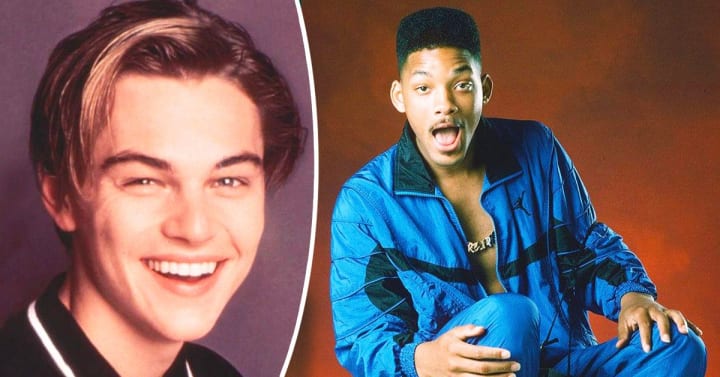
Beyond fashion, television and film have played a significant role in the revival of ‘90s nostalgia. The ‘90s were a golden age for television, with iconic shows like “Friends,” “The Fresh Prince of Bel-Air,” and “Seinfeld” defining the cultural landscape.
These shows not only captured the humor and social dynamics of the era but also became ingrained in the collective consciousness of viewers. Today, streaming services like Netflix, Hulu, and Disney+ have made it easier than ever to revisit these classic series, sparking a new wave of interest among both original fans and younger viewers.
In addition to reboots and remakes of ‘90s TV shows, many of the themes and storylines from the decade are being adapted for modern audiences. For example, shows like “Stranger Things” tap into the nostalgia of the ‘80s and ‘90s with their references to pop culture, music, and technology of the time.
The series not only offers a love letter to the ‘80s but also incorporates elements of ‘90s-style storytelling, such as friendship-driven narratives and coming-of-age themes. This blend of old and new has allowed the ‘90s to maintain its relevance while appealing to a contemporary audience.
The music scene has also been significantly influenced by ‘90s nostalgia. The rise of retro music festivals, ‘90s-themed parties, and the increasing popularity of streaming platforms like Spotify have made it easier for listeners to rediscover the sounds of the ‘90s. Artists from the decade, including Nirvana, Tupac Shakur, The Spice Girls, and Britney Spears, continue to enjoy enduring popularity, and their influence is evident in the work of contemporary artists. Pop, rock, and hip-hop music from the ‘90s continues to inspire a new generation of musicians, who draw on the genre-defining sounds of the past to create modern hits.
In particular, the resurgence of ‘90s boy bands and girl groups has captivated younger audiences who were not around when acts like Backstreet Boys, NSYNC, and Spice Girls ruled the charts. These groups have staged successful reunions and tours, attracting a mix of nostalgic fans and newcomers who are eager to experience the music and energy of this bygone era. The influence of ‘90s pop on today’s music scene is also apparent in the work of artists who have embraced elements of bubblegum pop, dance beats, and catchy hooks that defined the era.
Another significant aspect of ‘90s nostalgia is the revival of old-school technology. In an age dominated by smartphones and streaming, there is something charming and nostalgic about the technology of the ‘90s. Vinyl records, cassette tapes, and even VHS tapes have made a comeback, as people seek out tangible, physical media that offer a sense of nostalgia and authenticity. Record stores are seeing a resurgence in business, and music lovers are rediscovering the joys of listening to albums on vinyl, complete with the warm sound quality and the tactile experience of flipping through records.
Similarly, the ‘90s gaming industry has experienced a renaissance, with classic video game consoles like the Nintendo 64 and Sega Genesis being brought back into the spotlight. Retro gaming has become a popular hobby, with gamers seeking out vintage games and consoles or using emulators to experience the games they grew up with. The influence of ‘90s gaming can also be seen in the development of modern video games, which draw on the aesthetic and gameplay mechanics of the era.
The revival of ‘90s nostalgia in pop culture is also a response to the rapid pace of technological advancement and the complexities of the modern world. Many people yearn for the simplicity and innocence of the past, and the ‘90s, with its slower pace of life and less interconnected society, represent a time before the overwhelming influence of social media, constant connectivity, and global crises. This longing for a simpler time is reflected in the resurgence of ‘90s pop culture, as it offers a sense of comfort and familiarity in an increasingly uncertain world.
The ‘90s era is often viewed as a turning point in pop culture, marking the transition from analog to digital and from traditional media to the rise of the internet. Today’s revival of ‘90s nostalgia serves as both a celebration of the cultural milestones of the past and a reminder of how far we’ve come.
While the world has changed dramatically since the ‘90s, the enduring appeal of this decade shows that some aspects of pop culture are timeless, continuing to resonate with new generations in fresh and exciting ways. Whether through fashion, music, television, or technology, the ‘90s remain a cultural touchstone, and its revival shows no signs of slowing down anytime soon.
About the Creator
Nora Ariana
Empowering through stories and sound igniting purpose, sparking growth, and awakening the power within.
Keep reading
More stories from Nora Ariana and writers in Education and other communities.
A goal is a dream with a deadline
A goal is a dream with a deadline. This powerful quote reminds us that without action, dreams remain just that wishes floating in our imagination. But when we set a timeline and commit to achieving them, they evolve into goals, bringing clarity, direction, and purpose. Many people go through life holding on to dreams, hoping they will come true someday. But someday is not a day on the calendar. Dreams without structure often fade with time or get buried under the weight of daily responsibilities. Turning a dream into a goal is what separates those who achieve from those who continue to wish.
By Nora ArianaExclusive • 9 months ago
The Lean Advantage: How Small Improvements Create Massive Business Wins
In today’s fast-moving market, businesses don’t always need massive overhauls to see major growth. The real competitive advantage often comes from Lean process improvement—small, consistent changes that reduce waste, improve speed, and strengthen customer value. With a proactive approach, companies can spot inefficiencies early, prevent recurring problems, and build smarter systems before minor issues become costly setbacks.
By Duke Valentourabout an hour ago in Education
The Insurrection Act
Introduction The Insurrection Act is a law in the United States of America. It allows the President of the United States to use the military to deal with serious problems inside the country. This law is very important because it can be used when there is a rebellion, violence, or lawlessness that cannot be controlled by normal police forces. The act has been in use for many years and is sometimes a topic of debate because it gives the President significant power.
By Farhan Sayed3 days ago in Education



Comments
There are no comments for this story
Be the first to respond and start the conversation.