
The Quiet Revolution: How Everyday Passion People Are Changing the Game
(And How You Can Too)

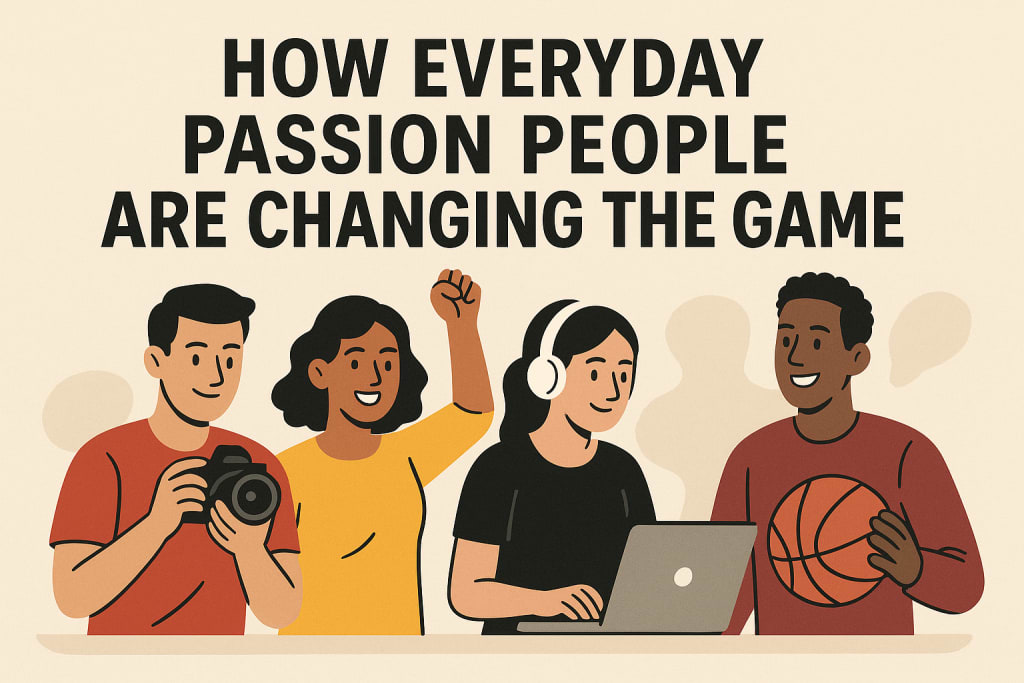
Remember scrolling through your feed, bombarded by a celebrity pushing a product that felt… completely out of left field? Maybe it was a famous actor suddenly extolling the virtues of a niche protein powder, or a pop star hawking luxury watches. It felt glossy, distant, and honestly, a little hard to swallow? You’re not alone. There’s a palpable shift happening, a quiet revolution reshaping how we discover products and trust recommendations. It’s not about the massive followings anymore; it’s about the genuine connection, the deep dive, the trusted voice in the corner of the internet you call home. Welcome to The Rise of Niche & Micro-Influencers in Affiliate Programs.
Gone are the days when sheer follower count was the golden ticket. Brands, and more importantly, us, the audience, are craving authenticity. We’re tired of the hard sell. We want guides, not billboards. Enter the niche expert and the micro-influencer: the passionate home cook with 8k dedicated followers hanging on their every kitchen hack, the sustainable fashion advocate with 15k who meticulously researches every brand they feature, the local hiking guru whose 5k community trusts their trail boot recommendations implicitly.
Why This Shift Feels So Real (And Profitable)
Let me tell you about Sarah. Sarah runs a small Instagram account (@FernAndFettle) dedicated entirely to indoor plants for apartment dwellers. Think low-light champions, pet-safe varieties, and creative small-space displays. She has around 12,000 followers – a drop in the ocean compared to mega-influencers. But her audience? They’re invested. They comment, ask specific care questions, share their own plant wins and fails. Sarah genuinely loves this stuff. She isn’t posing with random products; she’s showing you exactly which moisture meter saved her fiddle leaf fig, which specific grow light boosted her monstera’s fenestration, and where she found that adorable, affordable terracotta pot.
Sarah joined an affiliate program for a curated online plant shop and a specialty plant care brand. When she shares a link to that moisture meter, saying, "This little gadget took the guesswork out for me, link in bio if you want to check it out," her followers click. Why? Because Sarah has spent months, even years, building trust. She’s solved their specific problems. They believe she actually uses and loves that meter. Her conversion rate (the percentage of clicks that turn into sales) is sky-high compared to a celebrity doing a generic plant ad. The Rise of Niche & Micro-Influencers in Affiliate Programs isn't just a trend; it's a response to a market yearning for realness and relevance.
The Magic Formula: Niche + Trust = Results
So, what makes this combination so potent for affiliate marketing?
Hyper-Targeted Audiences: A micro-influencer in the board game niche (say, 20k followers) isn't just reaching "people." They're reaching board game enthusiasts. When they recommend a new strategy game or a durable card sleeve brand via their affiliate link, it lands directly with people actively interested in buying those things. It’s precision marketing at its finest. No wasted impressions.
Sky-High Engagement & Trust: Smaller followings often translate to higher engagement rates (likes, comments, shares). Why? Because the creator can actually interact meaningfully. They answer DMs, respond to comments, build real relationships. This fosters immense trust. Their recommendation feels like advice from a knowledgeable friend, not a paid advertisement. That trust is pure gold for affiliate conversions.
Authenticity is the Currency: Niche and micro-influencers typically build their audience because of their deep passion and expertise in a specific area. Their content feels organic. When they integrate an affiliate product, it usually fits seamlessly because it’s something they’d naturally use and talk about anyway. The promotion feels like a genuine discovery, not an interruption.
Cost-Effectiveness for Brands: Partnering with a roster of relevant micro-influencers is often far more affordable (and potentially more effective) than one mega-influencer campaign. Brands get access to highly engaged, targeted communities without the astronomical price tag. They can spread their budget wider and track results more granularly.
Long-Term Relationship Potential: Unlike one-off celebrity gigs, brands can build ongoing relationships with micro-influencers. As the influencer's audience grows (often slowly and steadily), the brand grows with them. It becomes a true partnership built on mutual value.
Beyond Plants: Real-World Scenarios Where This Shines
The Local Foodie Hero: Think of Jamie, who runs a hyper-local food blog and Instagram focusing only on independent cafes and artisanal producers in their specific city neighborhood (maybe 7k followers). They partner with a local coffee roastery and a gourmet grocery delivery service via affiliate programs. When Jamie raves about the roastery's new single-origin batch or shares a unique ingredient found at the grocery service, their neighbors listen and buy. It’s hyper-relevant and builds community.
The Budget Travel Guru: Maria focuses solely on affordable travel in Southeast Asia for backpackers and digital nomads (30k YouTube subs). Her detailed hostel reviews, budget flight hack breakdowns, and gear recommendations (backpacks, portable chargers) are gospel to her audience. Her affiliate links for booking sites, travel insurance, and specific gear brands see massive click-through because her viewers are actively planning trips based on her advice.
The Mindful Tech Advocate: Alex (15k Twitter/LinkedIn followers) focuses on digital wellbeing and ethical tech use. They review apps and tools that promote focus, reduce screen time, or protect privacy. Their affiliate links for specific app subscriptions or productivity tools resonate deeply because their audience is actively seeking solutions to the exact problems Alex addresses. The alignment is perfect.
The Affiliate Program Angle: Why It’s a Win-Win-Win
Affiliate marketing is beautifully simple: an influencer shares a unique tracking link. If someone clicks that link and makes a purchase, the influencer earns a commission. For The Rise of Niche & Micro-Influencers in Affiliate Programs, this model fits like a glove.
For the Influencer: It’s a way to monetize their passion authentically. They get rewarded for introducing products/services they genuinely believe in to an audience primed to appreciate them. It feels less like "selling out" and more like sharing valuable finds. The income potential, while maybe not astronomical per post, can be significant and sustainable, especially with a highly engaged niche.
For the Brand: They gain credible ambassadors deeply embedded within their target market. They pay only for actual results (sales), making it highly measurable and low-risk compared to upfront sponsorship fees. They tap into authentic word-of-mouth marketing at scale.
For the Audience (Us!): We get genuinely useful recommendations from people we trust, solving our specific problems or feeding our specific interests. It feels less like an ad and more like insider knowledge shared by a friend who gets it.
Challenges? Sure, It’s Not All Sunshine and Commissions
This model isn't magic fairy dust. Success requires effort and integrity from all sides:
Finding the Right Fit: A brand selling high-end audio equipment partnering with a micro-influencer focused solely on budget gardening tools? Disaster. Authenticity is paramount. Both influencers and brands need to be ruthlessly selective.
Transparency is Non-Negotiable: Audiences are savvy. Disclosing affiliate relationships clearly (using #ad, #affiliate, "paid link") is crucial. Trying to hide it erodes trust instantly and can have legal repercussions. The best influencers weave disclosure in naturally ("Loving this gadget I found, and I earn a small commission if you grab it through my link below!").
Avoiding the "Sell-Out" Slippery Slope: The biggest threat to a micro-influencer is losing that hard-earned trust. Promoting too many products, or products that don't align with their usual content or values, feels jarring. Audiences notice and disengage. Quality over quantity always wins.
Tracking and Attribution: While affiliate programs track clicks and sales, understanding the full customer journey (did they see multiple posts before buying?) can be complex. Both brands and influencers need clear communication and realistic expectations.
Action Station: How to Ride This Wave (Whether You're a Brand, Creator, or Consumer)
For Brands & Program Managers:
Ditch the Vanity Metrics: Stop obsessing over follower count. Look for engagement rate, audience comments (are they genuine?), content quality, and passion within your specific niche.
Build Relationships, Not Transactions: Approach micro-influencers respectfully. Understand their content and audience. Offer fair commissions and clear terms. Treat them as valuable partners.
Provide Value Beyond Links: Give them early access, exclusive discount codes for their audience, high-quality product info, or creative assets. Make it easy for them to succeed.
Seek Niche Depth: Look beyond broad categories. Find the specific voices within your niche (e.g., not just "fitness," but "yoga for runners" or "strength training for over 50s").
For Aspiring or Current Niche/Micro-Influencers:
Double Down on Your Niche: What are you truly passionate and knowledgeable about? Go deep, not wide. Own your corner of the world.
Build Genuine Community: Engage! Respond to comments, ask questions, run polls. Be a real person. Trust is your most valuable asset.
Focus on Value First: Create content that genuinely helps, inspires, or entertains your audience without expecting anything back. The affiliate opportunities should feel like a natural extension of this value.
Choose Partners Wisely: Only promote products you have genuinely used, tested, and believe in. Your credibility is everything. Be ruthless in your selection.
Be Transparent: Disclose affiliate links clearly and consistently. Your audience will respect you for it.
For Consumers (That's Most of Us!):
Follow Your Passions: Seek out those smaller voices talking about the specific things you love. They’re out there!
Value Trust Over Gloss: Pay attention to who consistently provides real value and seems genuinely knowledgeable. Engage with them.
Understand the Model: Recognize that affiliate links are how many creators make a living. If you find value in their content and trust their recommendation, using their link is a great way to support them (at no extra cost to you!).
Demand Authenticity: Unfollow creators who constantly push products that feel off-brand or disingenuous. Support those who maintain their integrity.
The Takeaway: Small is Mighty, Authentic is Everything
The Rise of Niche & Micro-Influencers in Affiliate Programs signals something profound. It’s a rejection of the impersonal, the mass-produced, the inauthentic. It’s a return to human connection, trust, and shared passion. It proves that you don’t need millions of followers to have a massive impact. You need dedication, deep knowledge, and the courage to be genuinely yourself.
This shift empowers everyday people with expertise to build meaningful communities and sustainable income. It allows brands to connect with customers on a human level through trusted voices. And it gives us, the audience, something priceless: recommendations we can actually believe in, from people who feel like they’re on our side.
So, the next time you discover a perfect product through that small account you adore, remember you're witnessing more than just a sale. You're seeing the future of marketing – a future built on passion, trust, and the incredible power of niche communities. It’s not just a trend; it’s a fundamental change in how we connect, share, and discover value in a noisy world. What niche passion could you share? What small voice might you start listening to? The revolution isn't being televised; it's happening in your feed, one genuine recommendation at a time.
About the Creator
John Arthor
seasoned researcher and AI specialist with a proven track record of success in natural language processing & machine learning. With a deep understanding of cutting-edge AI technologies.
Keep reading
More stories from John Arthor and writers in Education and other communities.
Finding Your AI Coding Partner in the Trenches
Remember that sinking feeling? You know the one. It’s 11 PM, the coffee’s gone cold, and you’re staring down a sprawling, undocumented legacy function that needs refactoring by dawn. Your brain feels like mush, and the sheer weight of untangling someone else’s decade-old logic is crushing. Yeah, we’ve all been there. Last year, drowning in exactly that scenario, I reluctantly reached for an AI coding assistant – not as a silver bullet, but as a desperate lifeline. What happened next wasn’t magic, but it was transformative. It felt less like being replaced and more like finally having a knowledgeable, infinitely patient colleague whispering suggestions over my shoulder.
By John Arthor6 months ago in Education
Common Online Money
Introduction: The Dark Side of Online Earning The internet has created countless opportunities to earn money online. From freelancing and blogging to online teaching and affiliate marketing, many people now make a living from the digital world. However, along with real opportunities, the internet is also full of scams. Every year, millions of people lose money, time, and personal information because of online money-making frauds. Understanding these scams is the first step to staying safe. This article explains the most common online money-making scams and how you can avoid them.
By Bilal Mohammadia day ago in Education
Connected Wealth: Why Strong Networks Are Essential to Smarter Financial Planning
Financial planning is often associated with spreadsheets, forecasts, and long-term projections. While these technical elements are essential, they represent only one side of the process. Relationships, shared knowledge, and access to broader communities strengthen a truly effective financial plan. Networks—both personal and professional—play a critical role in shaping smarter, more resilient financial strategies.
By Lee Generous5 days ago in Education



Comments
There are no comments for this story
Be the first to respond and start the conversation.