
The Psychology of Color: How It Affects Mood and Behavior
How It Affects Mood and Behavior
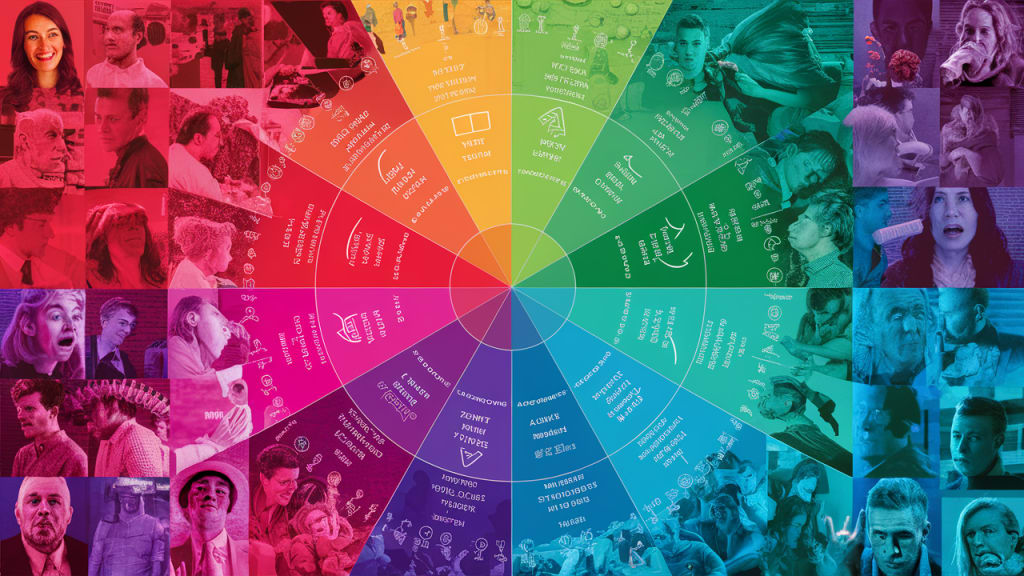
Color is all around us, influencing our perceptions, emotions, and behavior on a daily basis. From the clothes we wear to the walls of our homes, the colors we choose can have a significant impact on how we feel and act. This phenomenon is known as the psychology of color, a fascinating area of study that explores the ways in which different colors can influence our mood and behavior.
•Color psychology is a complex field that combines elements of psychology, neuroscience, and design to understand how colors can affect human emotions and behavior. Researchers have long been interested in the ways in which color can influence our thoughts and feelings, with a growing body of evidence suggesting that different colors can elicit different emotional responses.
•One of the key ways in which color can influence our mood is through its impact on our perception of a space. For example, warm colors like red, orange, and yellow are often associated with feelings of energy, excitement, and warmth, while cool colors like blue, green, and purple are thought to evoke feelings of calm, relaxation, and tranquility. By choosing the right colors for a room, we can create an atmosphere that promotes the desired emotional response.
•In addition to affecting our mood, color can also influence our behavior in subtle ways. Studies have shown that people tend to perform better on tasks when surrounded by certain colors. For example, one study found that students performed better on an exam when the room was painted blue, while another study showed that athletes were more likely to win a match when wearing red.
•Furthermore, the impact of color on our behavior extends beyond the physical environment to the products we use and the brands we interact with. Companies spend millions of dollars each year researching the most effective colors to use in their branding and packaging, as they know that color can have a powerful influence on consumer perceptions and purchasing decisions. For example, fast-food chains often use red and yellow in their branding, as these colors are thought to increase appetite and create a sense of urgency.
•But why do certain colors evoke specific emotional responses? One theory is that our emotional reactions to color are rooted in evolutionary biology. For example, the color red is often associated with danger and alertness, as it is the color of blood and fire. Similarly, green is often associated with nature and growth, which may explain why it evokes feelings of calm and relaxation.
•Another theory is that our reactions to color are shaped by cultural factors. For example, in Western cultures, white is often associated with purity and innocence, while in many Asian cultures, white is associated with death and mourning. These cultural associations can influence how we perceive and react to different colors.
•In addition to cultural and biological factors, individual differences also play a role in how we respond to color. Research has shown that people's preferences for certain colors can be influenced by factors such as age, gender, and personality. For example, studies have found that women tend to prefer shades of blue, purple, and green, while men are more likely to favor shades of black, blue, and green.
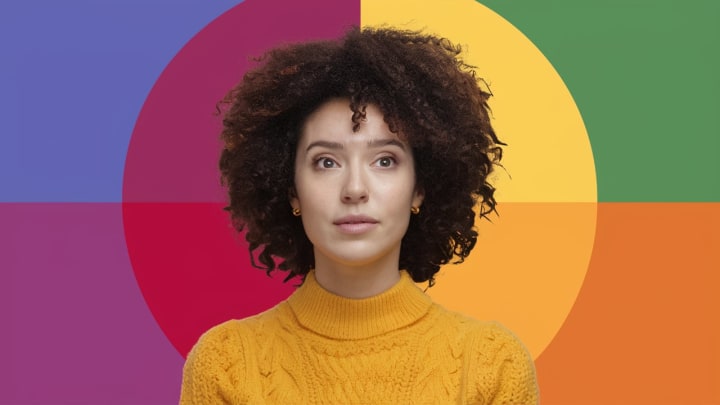
•Despite the complexity of the psychology of color, there are some general guidelines that can help us understand how different colors can influence our mood and behavior. For example, warm colors like red, orange, and yellow are thought to be stimulating and energetic, while cool colors like blue, green, and purple are considered calming and soothing. Neutral colors like white, black, and gray are often seen as timeless and sophisticated.
•In conclusion, the psychology of color is a fascinating and intricate field that explores the ways in which different colors can influence our mood and behavior. From the colors we choose to surround ourselves with to the products we interact with, color plays a powerful role in shaping our perceptions and emotions. By understanding the impact of color on our thoughts and feelings, we can harness its power to create environments that promote well-being, productivity, and happiness.
About the Creator
Keep reading
More stories from Amily Brown and writers in Education and other communities.
The Future of Remote Work: Trends Shaping the New Normal
The global workforce has undergone a significant transformation in recent years, with remote work becoming increasingly prevalent across industries. The COVID-19 pandemic accelerated this shift as businesses were forced to adapt to stay-at-home orders and social distancing measures. As a result, remote work has become the new normal for many employees, raising questions about the future of work and how organizations can effectively manage decentralized teams. In this article, we will discuss the trends shaping the future of remote work and explore how companies can navigate this new landscape. 1. Rise of Remote Work •Before the pandemic, remote work was already on the rise, with a growing number of companies offering flexible work arrangements to attract and retain top talent. According to a study by Global Workplace Analytics, remote work has increased by 173% since 2005, with 43% of Americans working remotely at least some of the time. •The pandemic further accelerated this trend, as businesses were forced to implement remote work policies to ensure employee safety and business continuity. A survey conducted by Gartner found that 88% of organizations worldwide encouraged or required employees to work from home during the pandemic. 2. Hybrid Work Models •As vaccine distribution accelerates and the world begins to reopen, many companies are considering adopting hybrid work models that combine remote work with in-person collaboration. According to a report by McKinsey & Company, 20-25% of the workforce could work remotely between three to five days a week without any loss of productivity.
By Amily Brown 2 years ago in Journal
Unlocking Value: A Strategic Guide to Opportunities in the Foreclosure Market
The foreclosure market develops when property owners fail to meet mortgage obligations, and lenders initiate legal processes to recover unpaid loans. As a result, these properties often return to the market under different conditions than traditional listings. Moreover, lenders typically aim to sell quickly to minimize losses, creating pricing advantages for informed buyers. Because of this structure, foreclosure properties may present opportunities for investors who approach them with preparation and discipline.
By Michael O'Sullivan Hamptonabout 15 hours ago in Education
Free Laptop with GED Classes 2026: How Low-Income Adults & Students Can Get One
Earning your GED is a powerful step toward better jobs, higher pay, and long-term stability — but trying to study without a reliable laptop makes everything harder. The good news? In 2026, several legitimate programs and nonprofits are still giving free laptops specifically to people working on their GED or HiSET.
By Free Laptops From Governmentabout 11 hours ago in Education
Why Didn't Anyone Tell Us
Men, move along. This is not for you. This is for the women. I was forty-five when I began menopause. It is pretty young for that to be going on in a woman’s life, but I had undiagnosed PCOS, my entire life. Thank you to all the gynecologists I had seen my entire life. That in itself should encourage women to keep seeking second opinions, especially when you are not getting correct answers or any at all.
By Alexandra Grant5 days ago in Humans


Comments (2)
So Educative
Nice article