
The Pros and Cons of Donald Trump Being President of the United States
An Examination of the Arguments for and Against Trump's Return to the White House
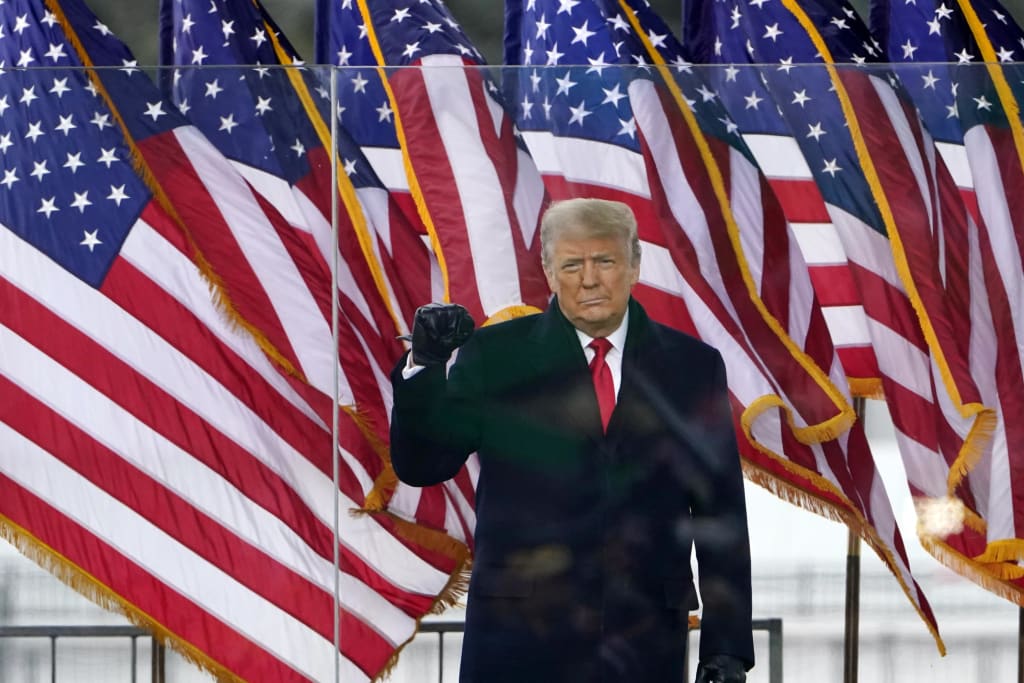
Donald Trump is a polarizing figure in American politics, and his presidency was characterized by controversy, scandals, and division. Nevertheless, some supporters argue that he should be the President of the United States again. Let's examine the reasons why Trump should be re-elected, and the arguments against his return to the White House.
Firstly, supporters argue that Trump should be re-elected because he has proven to be a successful leader. During his presidency, Trump implemented tax cuts, reduced regulations, and created job opportunities. Before the COVID-19 pandemic, the unemployment rate in the United States was at a 50-year low. Moreover, Trump negotiated new trade deals, such as the United States-Mexico-Canada Agreement (USMCA), which replaced the North American Free Trade Agreement (NAFTA). The USMCA benefits American workers and businesses by creating a level playing field for trade between the three countries.
Secondly, Trump's supporters argue that he is tough on immigration, which is a critical issue for many Americans. During his presidency, Trump implemented several measures to control illegal immigration, such as building a wall along the US-Mexico border, ending the Deferred Action for Childhood Arrivals (DACA) program, and implementing a travel ban on several countries with a history of terrorism. His supporters believe that these policies help to protect American citizens and maintain the integrity of the nation's borders.
Thirdly, Trump's supporters argue that he is a strong advocate for law and order. During his presidency, Trump supported law enforcement and implemented measures to reduce crime. He signed the First Step Act, which is a criminal justice reform bill that aims to reduce sentences for nonviolent drug offenders and provide rehabilitation programs. Moreover, Trump's administration created Operation Legend, which is a federal law enforcement initiative that focuses on reducing violent crime in major cities. His supporters believe that these measures help to create a safer and more secure society for Americans.
However, many people oppose the idea of Trump being the President of the United States again. They argue that his presidency was characterized by divisiveness, incompetence, and ethical violations.
Firstly, Trump's critics argue that his presidency was divisive and fueled racial and social tensions. He often made inflammatory statements, such as calling Mexican immigrants "rapists" and "criminals," and referring to African nations as "shithole countries." Moreover, Trump's administration implemented policies that were perceived as discriminatory, such as the travel ban on several Muslim-majority countries and the separation of families at the US-Mexico border. His critics believe that these policies and statements were harmful to American society and undermined the nation's values of diversity and inclusion.
Secondly, Trump's critics argue that his presidency was characterized by incompetence and mismanagement. Trump faced criticism for his handling of the COVID-19 pandemic, which has resulted in over 800,000 deaths in the United States. His administration was slow to respond to the crisis, downplayed its severity, and spread misinformation about the virus. Moreover, Trump faced several controversies, such as his impeachment over abuse of power and obstruction of Congress, and his administration's mishandling of the Hurricane Maria relief effort in Puerto Rico. His critics believe that these incidents demonstrate his lack of leadership skills and disregard for the rule of law.
Thirdly, Trump's critics argue that his presidency was marked by ethical violations and conflicts of interest. Trump faced several allegations of corruption and abuse of power, such as the emoluments clause violation, which prohibits federal officials from accepting gifts or payments from foreign governments. Moreover, Trump's family members and associates, such as his daughter Ivanka and son-in-law Jared Kushner, held positions in his administration, which raised concerns about nepotism and conflicts of interest. His critics argue that Trump prioritized his personal and financial interests over the interests of the American people.
In addition, Trump's critics point out that his behavior and rhetoric were often unbecoming of a president. He frequently engaged in name-calling and insulted political opponents and members of the media. He also spread conspiracy theories and false information, such as the claim that the 2020 presidential election was stolen from him. His critics believe that this behavior undermines the credibility of the presidency and weakens American democracy.
In conclusion, the question of whether or not Donald Trump should be the President of the United States again is a contentious issue. His supporters point to his record of job creation, his tough stance on immigration, and his support for law and order. On the other hand, his critics argue that his presidency was characterized by divisiveness, incompetence, and ethical violations. Ultimately, it is up to the American people to decide whether or not they want Donald Trump to be their president again.
About the Creator
Keep reading
More stories from Fahad Saleem and writers in Education and other communities.
5 Ways to Make Money Without a Job: Creative and Profitable Options for Financial Freedom
Making money without having a traditional job may sound too good to be true, but it is possible. With the rise of technology and the sharing economy, there are now numerous ways to earn money without the need for a 9-5 job. In this article, we will explore some of the most popular ways to make money without a job and how much can be earned from each method.
By Fahad Saleem3 years ago in Education
A brief history of alcohol
This chimpanzee stumbles across a windfall of overripe plums. Many of them have split open, drawing him to their intoxicating fruity odor. He gorges himself and begins to experience some… strange effects. This unwitting ape has stumbled on a process that humans will eventually harness to create beer, wine, and other alcoholic drinks. The sugars in overripe fruit attract microscopic organisms known as yeasts. As the yeasts feed on the fruit sugars they produce a compound called ethanol— the type of alcohol in alcoholic beverages.
By Munesh Yadavabout 3 hours ago in Education
The Lean Advantage: How Small Improvements Create Massive Business Wins
In today’s fast-moving market, businesses don’t always need massive overhauls to see major growth. The real competitive advantage often comes from Lean process improvement—small, consistent changes that reduce waste, improve speed, and strengthen customer value. With a proactive approach, companies can spot inefficiencies early, prevent recurring problems, and build smarter systems before minor issues become costly setbacks.
By Duke Valentoura day ago in Education



Comments
There are no comments for this story
Be the first to respond and start the conversation.