
The Promise of Preventive Strategies and Early Health Interventions
Evolving Geriatric Care

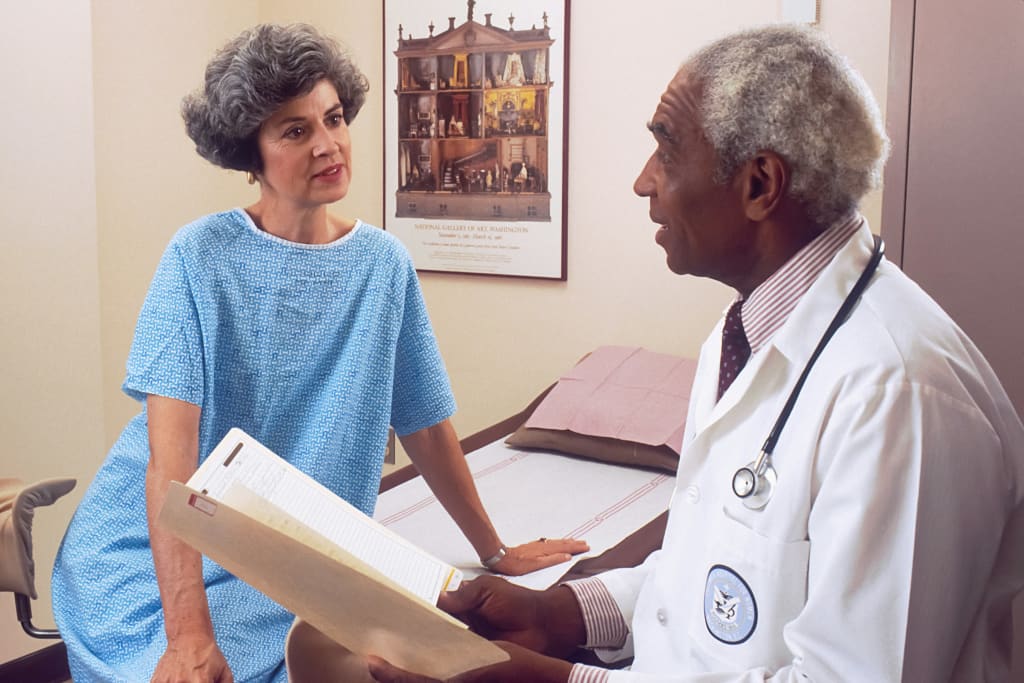
As the aging population continues to grow, there is an increasing need for healthcare systems to adapt and provide more comprehensive care for seniors. Traditionally, care for older adults has focused on addressing health problems after they emerge; however, a shift is underway toward preventive strategies and early interventions. This proactive approach aims to address potential issues before they become significant health challenges, ultimately improving the quality of life for seniors. By prioritizing prevention and timely intervention, healthcare providers can help older adults maintain their independence, enhance their well-being, and reduce healthcare costs.
The Value of Preventive Care in Aging Populations
Preventive care is a cornerstone of modern healthcare, especially for seniors. As individuals age, they become more vulnerable to chronic conditions like heart disease, diabetes, and arthritis. Preventive care focuses on reducing the risk of these diseases before they develop and ensuring that seniors maintain their health over time. It includes regular screenings, lifestyle counseling, vaccinations, and strategies to manage risk factors such as smoking, obesity, and high blood pressure.
For older adults, preventive measures can have a significant impact on long-term health outcomes. For example, regular screenings for conditions like high cholesterol or high blood pressure can help detect these issues early, when they are easier to manage. Vaccinations are another crucial aspect, as diseases like pneumonia and the flu pose a higher risk to seniors. By receiving the proper vaccines, older adults can avoid potentially dangerous complications.
Preventive care also emphasizes lifestyle changes. Encouraging seniors to eat a balanced diet, stay physically active, and manage their mental health can reduce the risk of developing chronic diseases. These simple yet effective measures can help older adults remain healthier and more independent for longer periods.
The Power of Early Intervention in Geriatric Health
Early intervention involves identifying health problems as soon as they arise and addressing them promptly, often before they escalate into more serious conditions. In geriatrics, early intervention can prevent the progression of age-related diseases and improve the overall health of seniors. Whether managing chronic diseases, addressing cognitive decline, or treating mental health issues, early intervention plays a pivotal role in ensuring better outcomes for older adults.
One of the most notable benefits of early intervention is its ability to prevent complications. For instance, managing diabetes early can prevent long-term complications such as kidney failure, nerve damage, and vision loss. In the case of cognitive decline, early detection of conditions like Alzheimer’s disease can allow for interventions that slow down the disease’s progression, giving patients more time to maintain their cognitive function and independence.
Mental health is another area where early intervention is crucial. Many seniors suffer from depression or anxiety, yet these conditions are often underdiagnosed or misunderstood. Symptoms like fatigue, isolation, and memory issues can be mistaken for normal aging, but they may indicate an underlying mental health disorder. By identifying these issues early, healthcare providers can offer therapy, medications, or support systems that improve the senior's emotional well-being.
Technological Advancements Enhancing Preventive and Early Care
Technology is revolutionizing the way healthcare providers approach preventive care and early intervention, particularly in geriatric health. Advances in telemedicine, wearable devices, and health apps enable the continuous monitoring of older adults’ health, allowing healthcare providers to detect potential issues earlier and respond more quickly.
Telemedicine is one of the most significant innovations in this area, especially for seniors who may have difficulty traveling to healthcare appointments. Virtual visits enable consultations with healthcare providers, ensuring that seniors can receive timely care without the need for in-person appointments. This technology also enables healthcare providers to monitor patients' conditions remotely, enhancing follow-up care and facilitating the management of chronic conditions.
Wearable health devices, such as fitness trackers or heart monitors, have become valuable tools in preventive care. These devices can track vital signs, such as heart rate, blood pressure, and activity levels, in real-time, alerting both seniors and their caregivers if anything is amiss. For instance, a smartwatch that tracks heart rate or an insulin monitor can help detect early signs of an issue, allowing for prompt intervention and treatment.
Health apps and digital platforms are also empowering older adults to take control of their own health. These tools can track medications, exercise routines, diet, and even mental health, providing a comprehensive overview of the senior’s well-being. With easy access to these resources, seniors are better equipped to maintain their health and make informed decisions about their care.
Personalized Approaches to Geriatric Care
A one-size-fits-all approach to healthcare is rarely practical, especially in geriatric care, where each senior has unique needs and risk factors. Personalized care ensures that treatment plans are tailored to the individual’s medical history, lifestyle, and preferences. This approach is particularly valuable when implementing preventive care and early intervention strategies.
Personalized care begins with a thorough assessment of the senior’s health, including their family medical history, current health conditions, and lifestyle factors. From this information, healthcare providers can create a customized care plan that includes appropriate screenings, preventive measures, and early interventions. For example, seniors with a history of heart disease may require more frequent cardiovascular screenings, while those at risk of falling may benefit from strength-building exercises.
By focusing on the individual’s needs, personalized care ensures that seniors receive the right interventions at the right time, reducing unnecessary treatments and improving overall health outcomes. This approach also fosters a stronger patient-provider relationship, as seniors are more likely to feel heard and understood when their care plan is tailored specifically to their needs.
Improving Family Support Through Preventive and Early Care
Preventive medicine and early intervention not only benefit seniors but also support their families and caregivers. By addressing health concerns early and promoting healthy habits, healthcare providers can reduce the burden on families, helping seniors stay independent for longer and requiring less intensive caregiving.
Family members often play a crucial role in managing a senior’s care, particularly in areas such as medication management, transportation, and emotional support. By educating families on preventive measures and early intervention strategies, healthcare providers can help them better support their loved ones. Caregivers who are empowered with knowledge and resources are better equipped to handle the challenges that come with senior care.
Moreover, when health issues are caught early, the need for emergency interventions or hospitalizations is reduced, providing families with peace of mind. The proactive management of health issues prevents unnecessary crises, allowing families to focus on supporting the senior’s overall well-being rather than reacting to medical emergencies.
As the demand for geriatric care continues to grow, there is an increasing need to adopt preventive and early intervention strategies that prioritize proactive health management. Through regular screenings, lifestyle interventions, and timely medical attention, healthcare providers can help seniors maintain their health, independence, and quality of life. Advances in technology, personalized care, and family involvement are crucial in making this shift toward prevention and early intervention a reality. By focusing on these strategies, we can ensure that aging adults experience better health outcomes, fewer complications, and a greater sense of well-being in their later years.
About the Creator
Rasha Morad MD
Rasha Morad, MD, is a board-certified physician with 30+ years in geriatric and post-acute care. She leads top-rated facilities, promotes preventive health, and supports underserved communities.
Portfolio: https://drrashamorad.com
Keep reading
More stories from Rasha Morad MD and writers in Education and other communities.
Creative Solutions for Isolated Communities
Healthcare in rural America has long been marked by substantial disparities, leaving isolated populations with limited access to essential services. These communities often experience higher rates of chronic conditions, lower life expectancy, and limited healthcare options. Additionally, residents face significant challenges, including long travel distances to medical facilities and a shortage of healthcare professionals. However, innovative solutions are emerging that are transforming the delivery of healthcare in rural areas, offering new ways to reach underserved populations. These creative approaches are making healthcare more accessible, efficient, and practical, even in the most isolated parts of the country.
By Rasha Morad MD4 months ago in Education
How Early Hustle Jobs Build Real Mental Toughness for Life
Early hustle jobs—like babysitting, mowing lawns, stocking shelves, or working the drive-thru—might seem small on paper, but they often shape big psychological strengths. These first experiences with responsibility, pressure, and real-world expectations can build mental toughness in ways school alone usually can’t.
By David Lipan3 days ago in Education


Comments