
The Power of Yoga in Reducing Chronic Pain
Managing and Alleviating Pain Through Gentle Yoga Movements


Chronic pain is a condition that affects millions worldwide, disrupting daily lives and impacting physical, emotional, and mental well-being. Unlike acute pain, which is short-lived and often linked to specific injuries or conditions, chronic pain persists for weeks, months, or even years. Commonly associated with conditions such as arthritis, fibromyalgia, lower back pain, and migraines, chronic pain can feel debilitating and challenging to manage. However, yoga has emerged as a powerful, natural, and holistic tool in alleviating chronic pain, providing relief while promoting overall well-being.
Understanding Chronic Pain and Its Challenges
Chronic pain differs from temporary pain due to its persistent nature, often continuing even after the initial injury or illness has healed. This can lead to a vicious cycle where pain triggers stress, and stress amplifies the sensation of pain. Over time, this cycle can affect mental health, leading to conditions such as anxiety and depression. Medications and invasive treatments are common approaches for chronic pain, but they often come with side effects or limited long-term efficacy. This is where yoga offers a promising alternative.
How Yoga Addresses Chronic Pain
Yoga is not just a physical exercise; it is a mind-body practice that combines physical postures (asanas), controlled breathing (pranayama), and mindfulness or meditation. Together, these elements work to reduce pain perception, improve physical function, and promote emotional resilience. Here's how yoga can address chronic pain effectively:
1. Improves Physical Flexibility and Strength
Chronic pain is often associated with muscle stiffness, joint discomfort, or postural imbalances. Yoga poses gently stretch and strengthen muscles, improving flexibility and alignment. For instance, poses like Child’s Pose and Cat-Cow Stretch can relieve tension in the back, while Warrior Pose strengthens the legs and enhances stability. Over time, consistent practice can reduce muscular strain and joint pain.

2. Reduces Stress and Enhances Relaxation
Stress is a significant contributor to chronic pain, as it heightens the body's perception of discomfort. Yoga helps combat stress through relaxation techniques and controlled breathing. Practices like Savasana (Corpse Pose) and Pranayama reduce cortisol levels, calm the nervous system, and promote a state of deep relaxation. This not only eases pain but also improves sleep quality, another critical factor in managing chronic pain.
3. Increases Mindfulness and Pain Tolerance
One of yoga's most profound benefits lies in its ability to cultivate mindfulness. Mindfulness helps individuals become more aware of their bodies and emotions without judgment. Meditation techniques in yoga teach practitioners to observe pain with detachment, reducing its intensity. Studies have shown that mindfulness meditation can increase pain tolerance, making it easier for individuals to cope with chronic discomfort.
4. Enhances Blood Flow and Reduces Inflammation
Certain yoga poses stimulate blood circulation, which helps deliver oxygen and nutrients to areas affected by pain while flushing out toxins. Improved blood flow can reduce inflammation, a common underlying factor in conditions like arthritis or fibromyalgia. Poses like Downward-Facing Dog and Legs-Up-The-Wall encourage healthy circulation and alleviate tension.
5. Improves Posture and Reduces Strain
Poor posture is a leading cause of chronic pain, particularly in the neck, back, and shoulders. Yoga emphasizes proper alignment and awareness of body positioning. Over time, practicing yoga can correct posture, reduce unnecessary strain on muscles and joints, and prevent the recurrence of pain.
Scientific Evidence Supporting Yoga for Chronic Pain
Numerous studies have validated yoga's effectiveness in managing chronic pain. For example, a 2017 study published in Annals of Internal Medicine found that yoga was as effective as physical therapy for reducing chronic low back pain. Participants experienced significant improvements in pain levels, physical function, and overall quality of life.
Similarly, research on fibromyalgia patients has shown that regular yoga practice can reduce pain intensity and improve emotional well-being. Other studies indicate that yoga can help individuals with conditions like osteoarthritis, migraines, and even chronic neck pain. These findings underscore yoga's versatility as a therapeutic tool for various forms of chronic pain.
Adapting Yoga for Chronic Pain
Yoga is highly adaptable, making it suitable for individuals with varying levels of pain and mobility. It’s important to start with gentle poses and movements, especially for those new to yoga or dealing with severe discomfort. Working with a trained yoga instructor familiar with chronic pain conditions can help tailor a practice that meets individual needs.
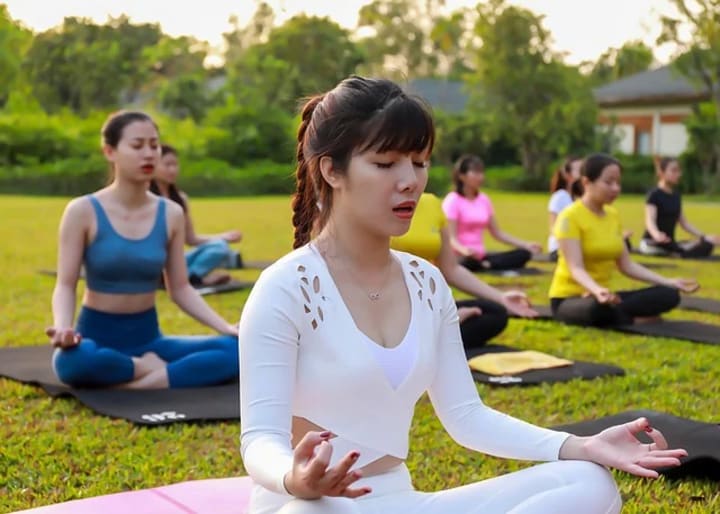
Beginner-Friendly Poses for Chronic Pain
- Child’s Pose (Balasana): Stretches the lower back and hips, providing relief from tension and promoting relaxation.
- Cat-Cow Pose (Marjaryasana-Bitilasana): Improves spinal flexibility and reduces stiffness in the back and neck.
- Supine Twist (Supta Matsyendrasana): Gently stretches the spine and relieves tension in the lower back.
- Legs-Up-The-Wall (Viparita Karani): Promotes blood flow, reduces swelling, and provides relaxation.
- Sphinx Pose: Strengthens the lower back while gently opening the chest and shoulders.
Additional Benefits of Yoga for Chronic Pain Management
Beyond physical relief, yoga addresses the emotional and psychological challenges associated with chronic pain. Chronic pain often leads to feelings of frustration, helplessness, and even social isolation. Yoga fosters a sense of empowerment and community, especially when practiced in group settings. Its holistic approach nurtures both the body and mind, helping individuals regain control over their lives.
Tips for Incorporating Yoga into a Pain Management Routine
- Start Slow: Begin with basic poses and gradually increase intensity as your body adapts.
- Listen to Your Body: Avoid pushing through pain or discomfort. Yoga should feel restorative, not straining.
- Practice Consistently: Regular practice yields the best results. Even 15-20 minutes a day can make a difference.
- Focus on Breathing: Controlled breathing enhances relaxation and supports pain relief.
- Seek Guidance: A certified yoga instructor can ensure proper technique and recommend modifications for your needs.
Conclusion
The power of yoga in reducing chronic pain lies in its holistic approach, addressing physical, emotional, and mental well-being. By improving flexibility, reducing stress, enhancing mindfulness, and fostering relaxation, yoga provides lasting relief from chronic pain and its associated challenges. With its proven benefits and adaptability, yoga serves as an effective, non-invasive solution for those seeking to reclaim their quality of life from the grip of chronic pain. Whether practiced alone or as part of a broader pain management plan, yoga offers a pathway to healing, empowerment, and a renewed sense of vitality.
About the Creator
William
I'm William, a passionate writer🏋️♂️ Health & Fitness Advocate 🌱 | Sharing tips on workouts 💪, nutrition 🥗, and wellness 🌞 to help you live a balanced, active life. Let’s reach your fitness goals together! 🌟
8 Ways AI PCs Power Local Generative Tools for Creators
Technology is changing fast for everyone who makes art or videos. You might feel like your old computer cannot keep up with new trends. Modern creators need more power than ever before. This is where the AI PC for creators steps in to save your day. These machines carry special chips called NPUs that handle heavy tasks easily. You no longer have to wait for slow cloud servers to process your work. Everything happens right on your desk in real time. This shift gives you total control over your creative vision. You can experiment with bold ideas without any lag. It feels like having a digital partner that understands your speed. Let us explore how these smart computers are upgrading your workflow right now. You will see why local power matters for your future success.
By Amelia Hebrewabout 6 hours ago in Education
Creating Strong and Adaptable Healthcare Teams
Healthcare environments demand constant focus, quick decisions, and consistent teamwork. Medical professionals work under pressure while managing patient care, administrative tasks, and evolving clinical practices. In such demanding conditions, organizations must focus on building strong healthcare teams that remain stable and effective even during challenging situations.
By Brady Beitlich4 days ago in Education


Comments
There are no comments for this story
Be the first to respond and start the conversation.